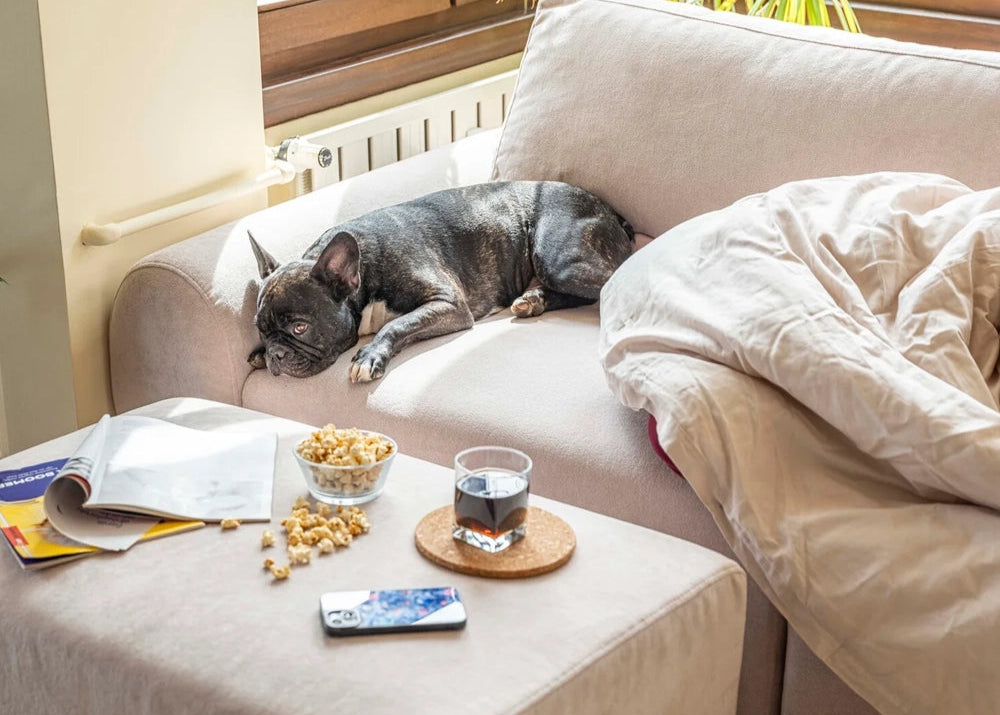
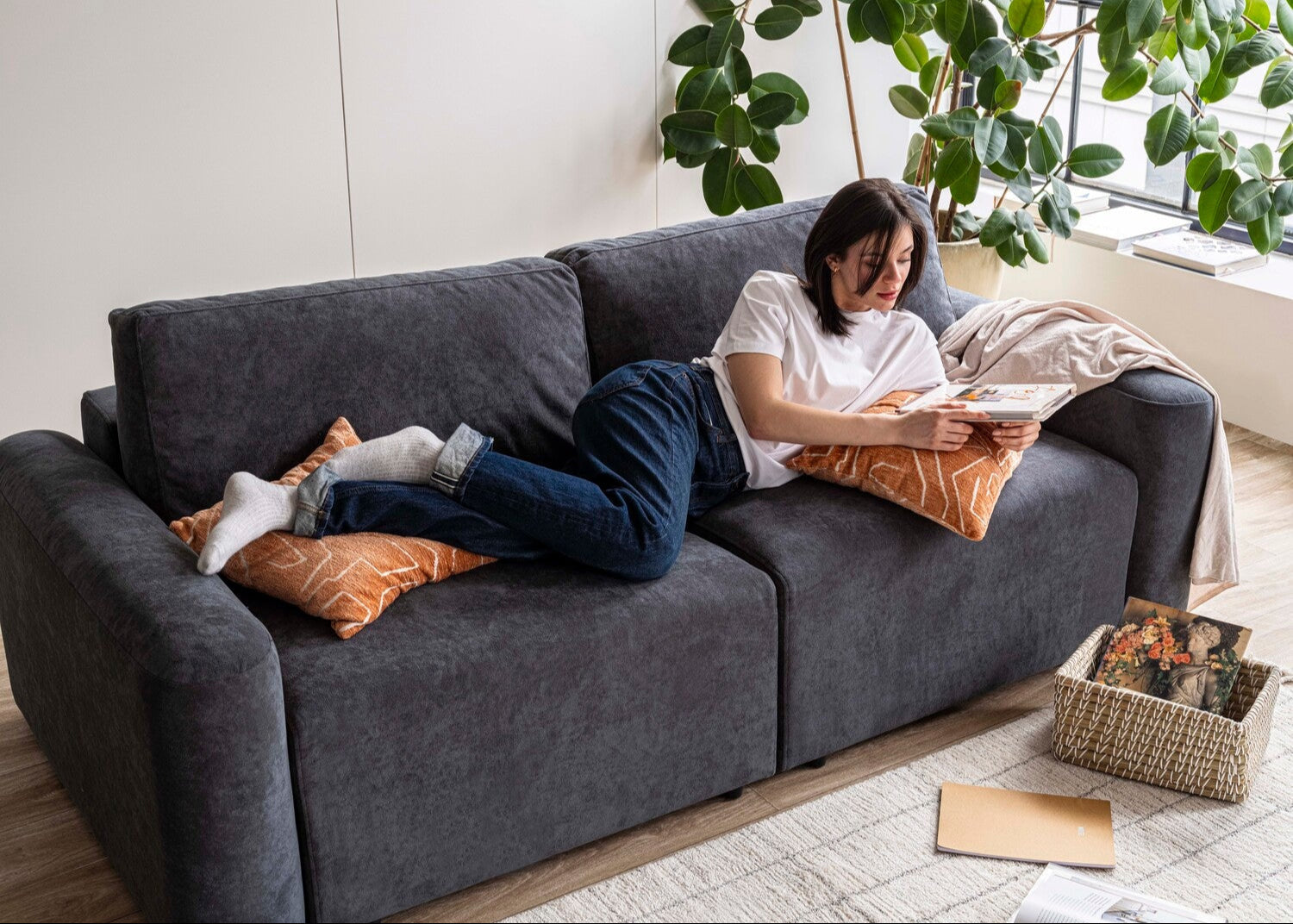

There's something satisfying about furniture that fits your space exactly, not close enough, but exactly. A customizable modular sofa lets you build seating that works with your floor plan, your style, and the way you actually use your living room. No compromising on size. No settling for a configuration that's almost right.
Custom modular sofas adapt as your life changes. Start with a few pieces in a small apartment, then add sections when you move somewhere bigger. Swap upholstery when you're ready for a new look. Reconfigure the layout when your needs shift. It's furniture designed to evolve instead of becoming obsolete.
Modular Sofa Components and Configurations
Building a custom modular couch starts with understanding what pieces are available and how they work together. Each module serves a specific purpose, and the way you combine them determines both function and form. The beauty of modular design is that there's no single "correct" configuration, you're building something that fits your space and lifestyle.
Choosing the Right Modules
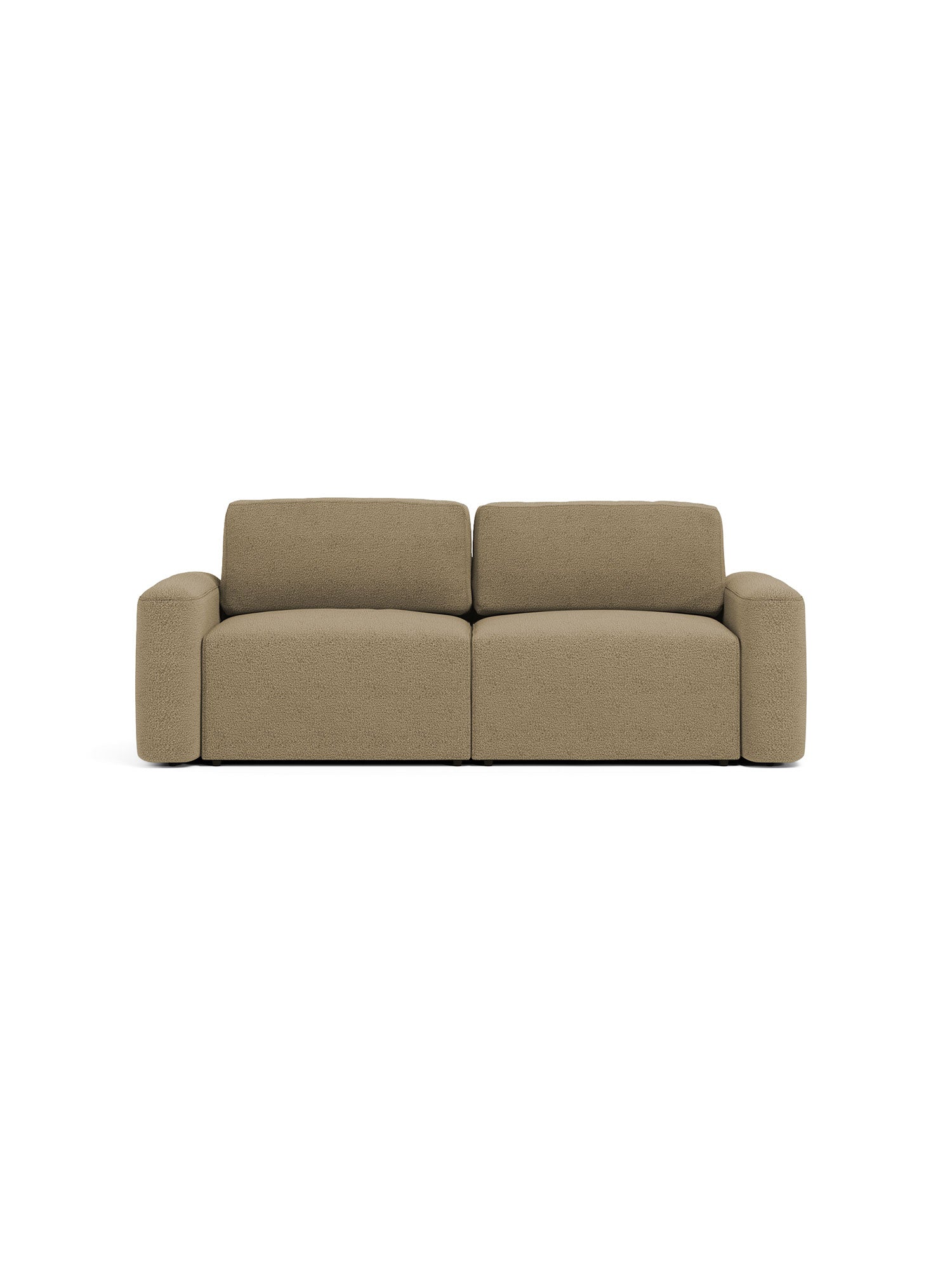
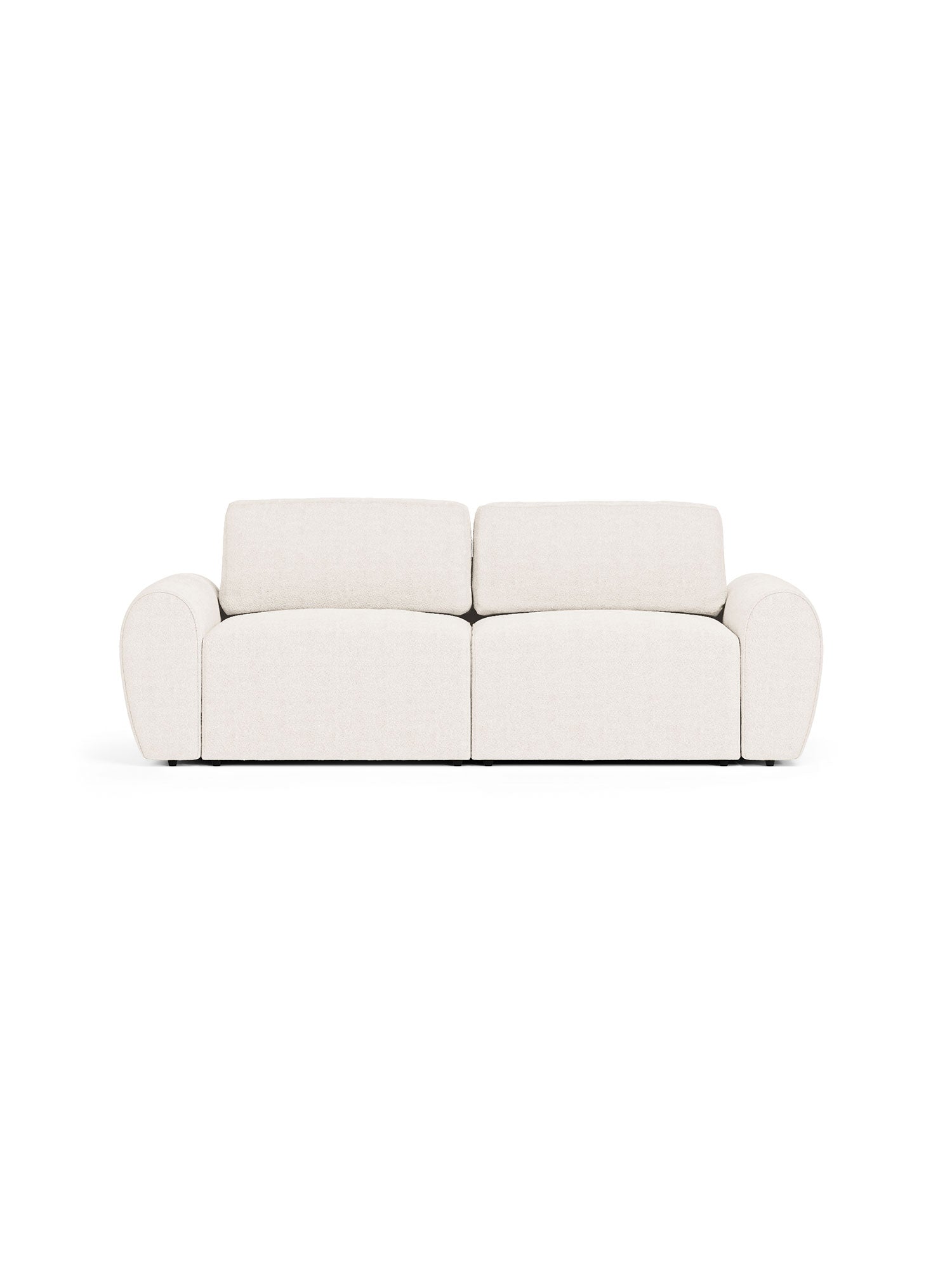
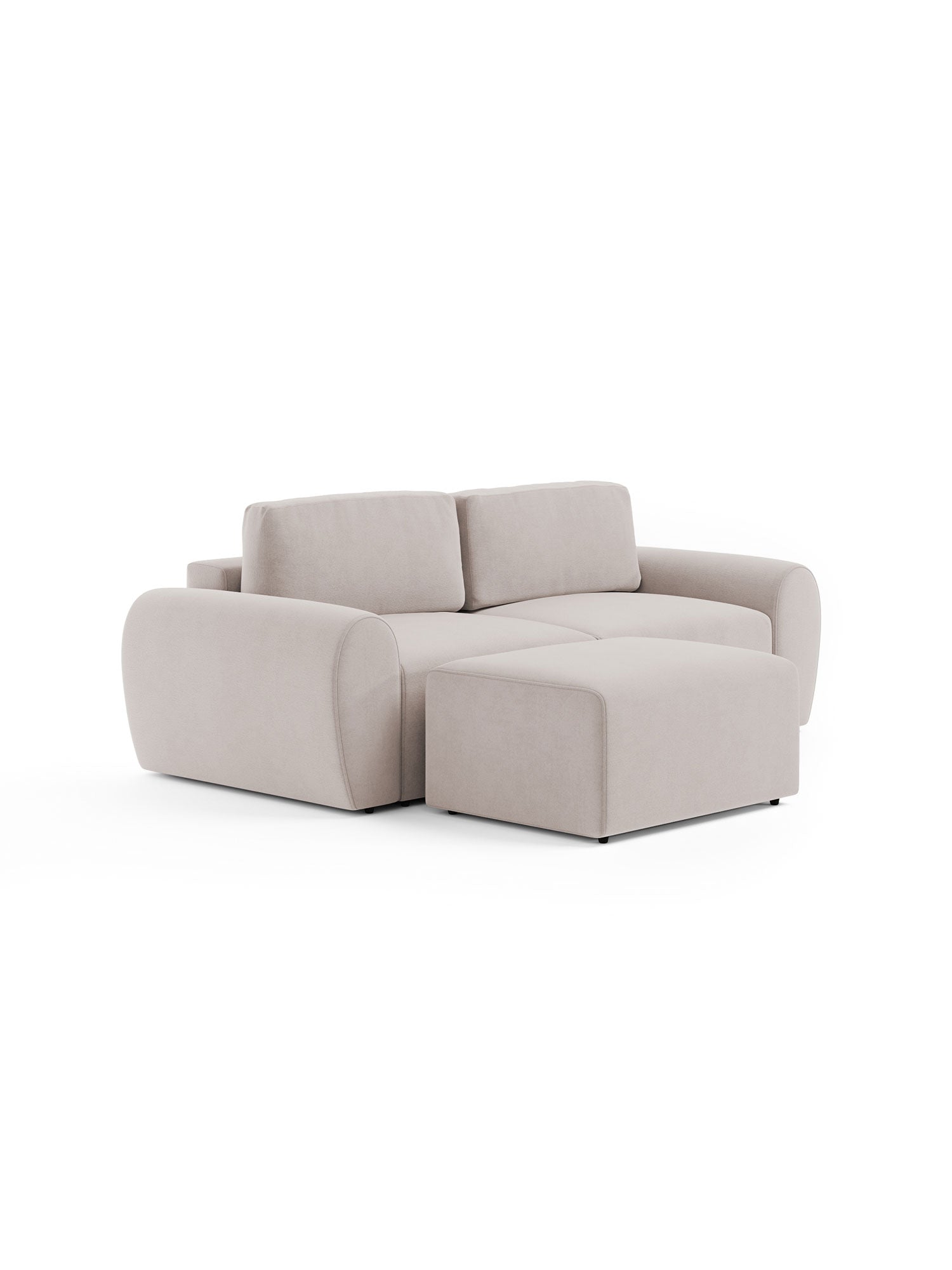
Modular sofas are built from individual components, corner pieces, armless seats, chaises, ottomans. Each module connects to the others, giving you control over the final shape and size. A corner piece turns a linear sofa into an L-shape. An ottoman adds flexible seating or doubles as a coffee table. A chaise extends lounging space without committing to a full sectional.
The key is starting with modules that suit your current needs, knowing you can expand later. You're not locked into one configuration forever.
Configurations for Different Room Shapes
L-shaped configurations work well in corners or open-concept spaces where you want to define a seating area without walls. U-shaped setups suit larger rooms and create conversation zones that face inward. Linear arrangements keep things simple and work in narrow spaces or against long walls.
A custom modular sectional adapts to all of these. Measure your room, account for doorways and windows, then choose modules that fit without overcrowding. Leave at least 18 inches of clearance around the sofa for comfortable movement.
Expanding or Reducing Over Time
One of the biggest advantages of modular seating is flexibility. Buy a two-seater and an ottoman now. Add a chaise next year. Reconfigure when you move. If your living situation changes and you need less seating, you can remove modules instead of replacing the entire sofa.
This approach also spreads out the cost. You're not spending thousands upfront on a massive sectional you might not need yet.
Upholstery and Material Selection
Material choices define how your sofa looks, feels, and performs over time. Upholstery isn't just about aesthetics, it's about durability, maintenance, and whether the fabric suits your actual lifestyle. Get this part right and your sofa stays looking good for years. Get it wrong and you're dealing with stains, wear, and regret.
Upholstery Options
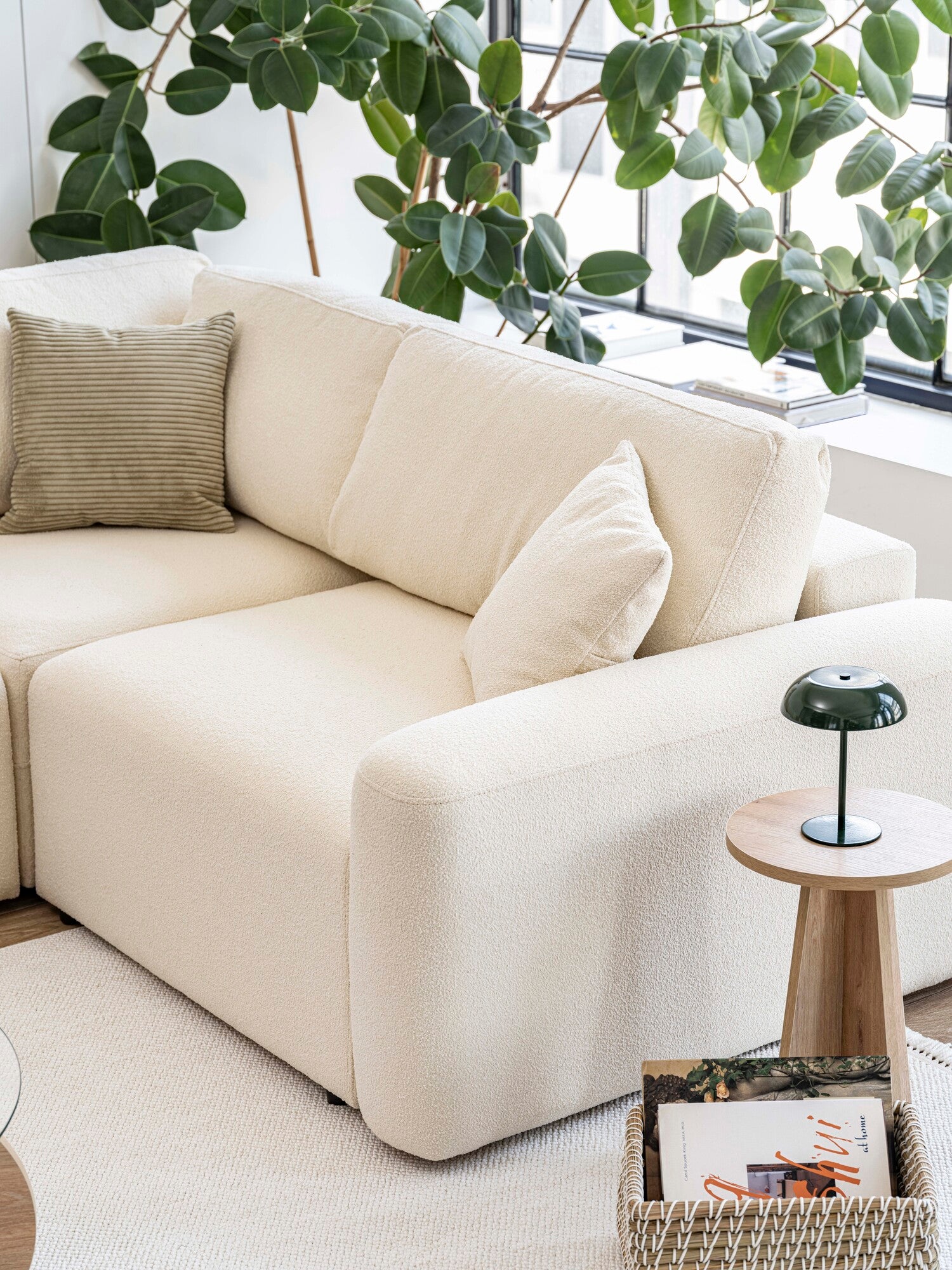
Fabric choice affects durability, comfort, and maintenance. Performance fabrics resist stains and wear, critical if you've got kids, pets, or use your sofa daily. Velvet adds warmth and texture but needs more care. Bouclé offers a middle ground: durable, textured, and visually interesting without being high-maintenance.
Leather ages well and handles spills easily, but it's pricier and can feel cold in winter. Linen breathes and softens over time but wrinkles and stains more readily. Think about how you live, not just how the fabric looks in a showroom.
The Soffie's fabric range includes Ultimate Velvet, Bouclé Texture, and Courdroy. All three are chosen for real-world durability, fabrics that hold up through Canadian winters when your sofa sees constant use.
Using Fabric Swatches
Order swatches before committing. Photos don't capture texture, and colors shift under different lighting. Bring the swatch into your actual space. Look at it in morning light, evening light, next to your rug and walls. Live with it for a few days. You'll know pretty quickly if it works.
Most brands offer free swatches for exactly this reason. It's a small step that prevents expensive regret later.
Sustainable Material Choices
Quality modular sofas use responsibly sourced materials, solid wood frames, non-toxic finishes, fabrics that meet environmental standards. European manufacturing typically adheres to stricter regulations around chemicals and waste, which matters if sustainability factors into your decision.
Longevity is also sustainability. A sofa that lasts 15 years has a smaller environmental footprint than one you replace every three.
Comfort Features and Functional Add-Ons
A sofa can look perfect and still be uncomfortable to sit on for more than 20 minutes. Comfort depends on cushion construction, seat depth, and how the sofa's proportions match your body and how you use it. Functionality adds another layer, do you need storage, a sleeper, or just straightforward seating?
Cushion Fillings and Seat Depth
Foam cushions hold their shape and offer firmer support. Feather or down adds softness but requires regular fluffing. Many premium sofas use a combination, foam cores wrapped in feather for the best of both.
Seat depth matters more than people realize. Standard depth is around 20 to 22 inches, comfortable for sitting upright. Deeper seats (24+ inches) encourage lounging but can feel awkward if you're shorter or prefer a more formal posture. Try before you buy, or at least know your preferences before customizing.
Modular Sofa Beds & Storage
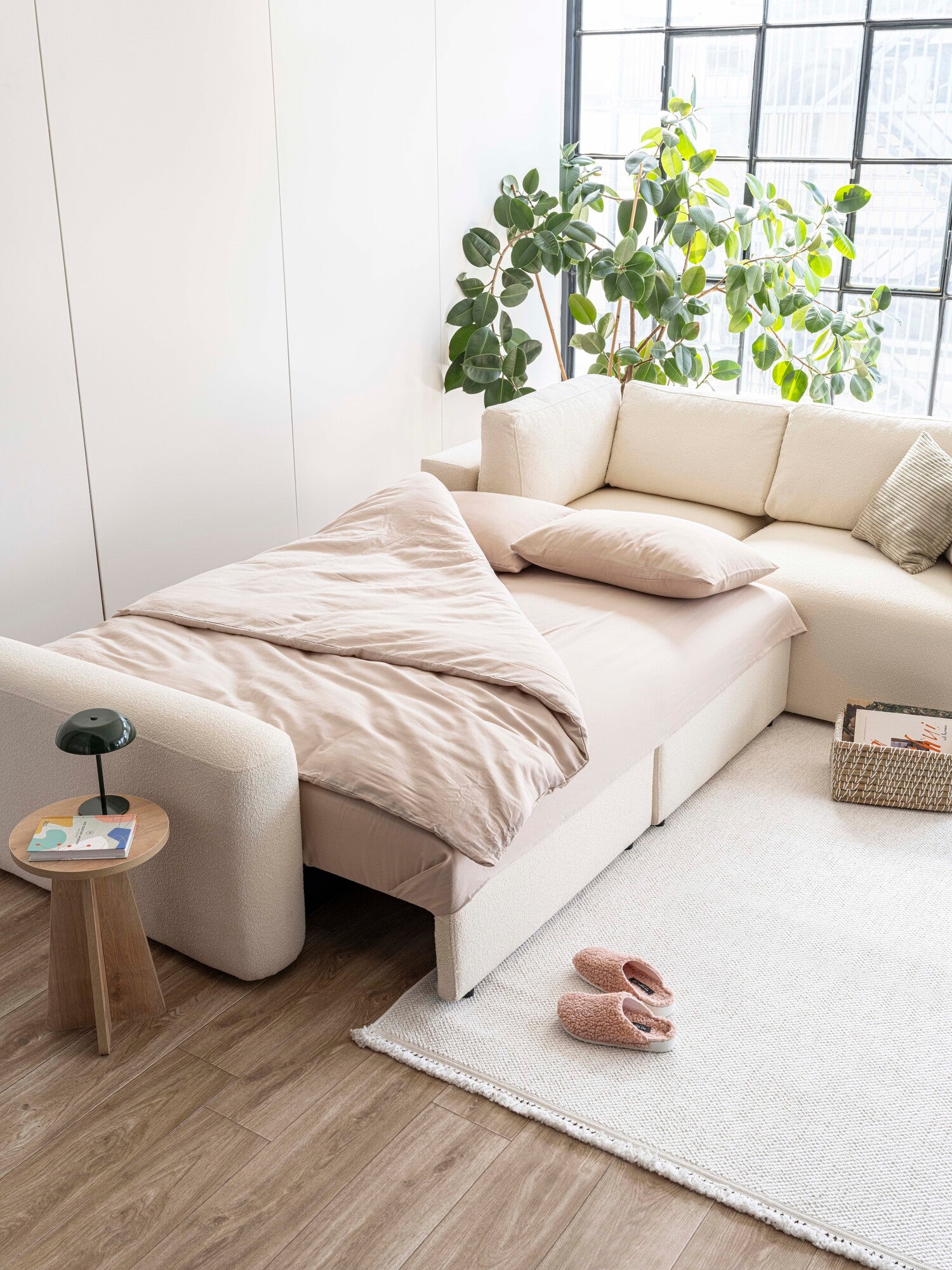
Some modular sofa sectional configurations include sleeper mechanisms or storage compartments. A chaise with a lift-up top stores blankets and pillows. A pull-out mattress turns your sofa into guest accommodation without dedicating a room to it.
These features add cost and weight, so only include them if you'll actually use them. A sleeper makes sense if you host guests regularly. Storage matters in small spaces where closets are limited. Otherwise, keep it simple.
Space Planning for Different Room Sizes
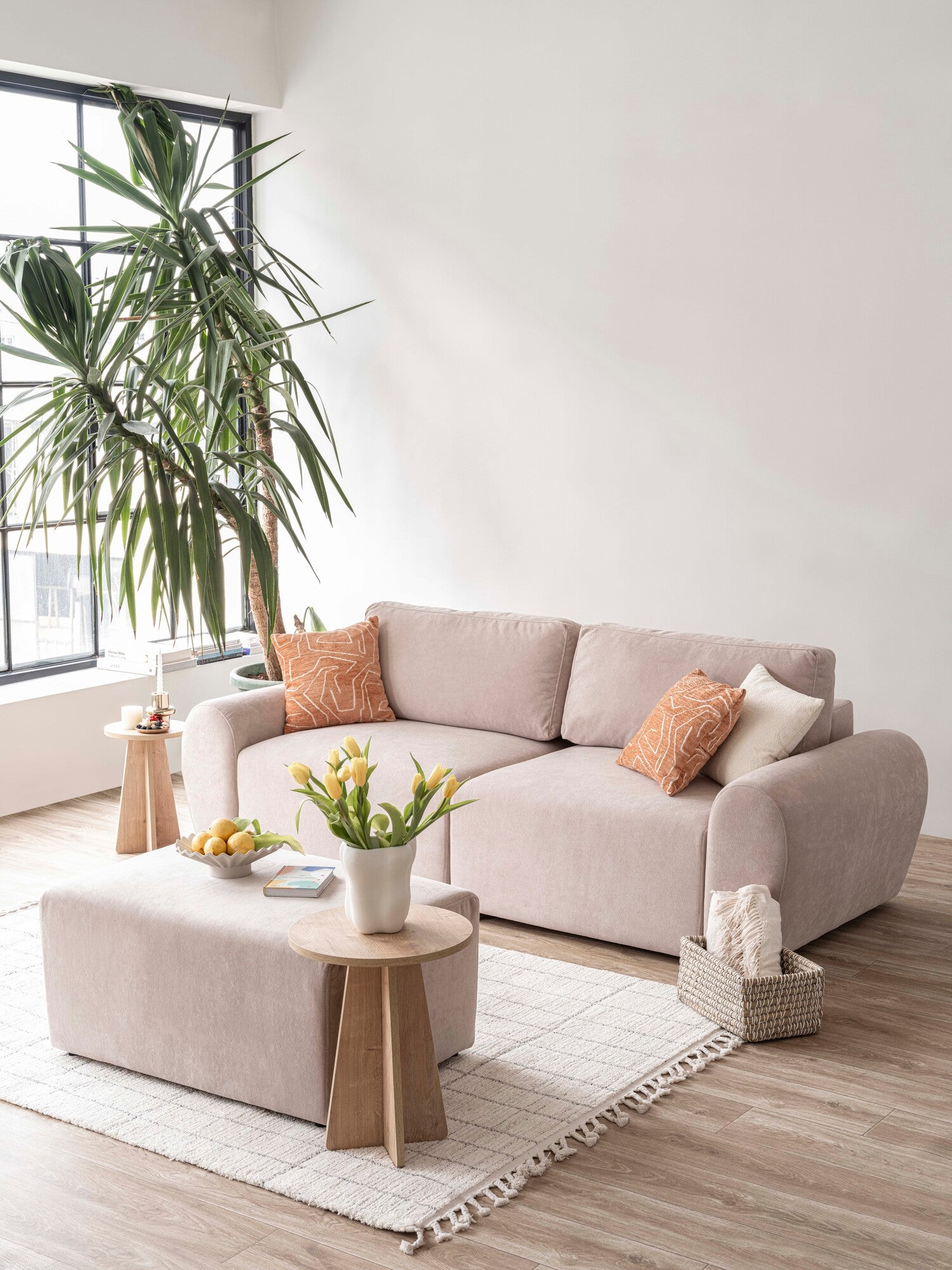
Room size dictates how ambitious you can get with your configuration. In smaller apartments or condos, start with two or three modules. A corner piece plus two seats creates an L-shape that maximizes seating without overwhelming the room. An ottoman adds flexibility, use it as a footrest, extra seating, or a makeshift coffee table.
Larger spaces give you more freedom. A U-shaped configuration anchors the room and creates a conversation area. Adding a chaise or extra lounge module makes the sofa the focal point without needing much else.
Whatever the size, avoid overcrowding. A sofa that's too big makes a room feel cramped, even if you technically have the square footage.
Styling & Configuration Guidance: Color, Texture, and Styling Choices
Once you've nailed the functional decisions, styling becomes the next layer. This is where you make the sofa feel like yours, choosing colors, textures, and accessories that reflect your taste and pull the room together.
Colour Palette and Texture
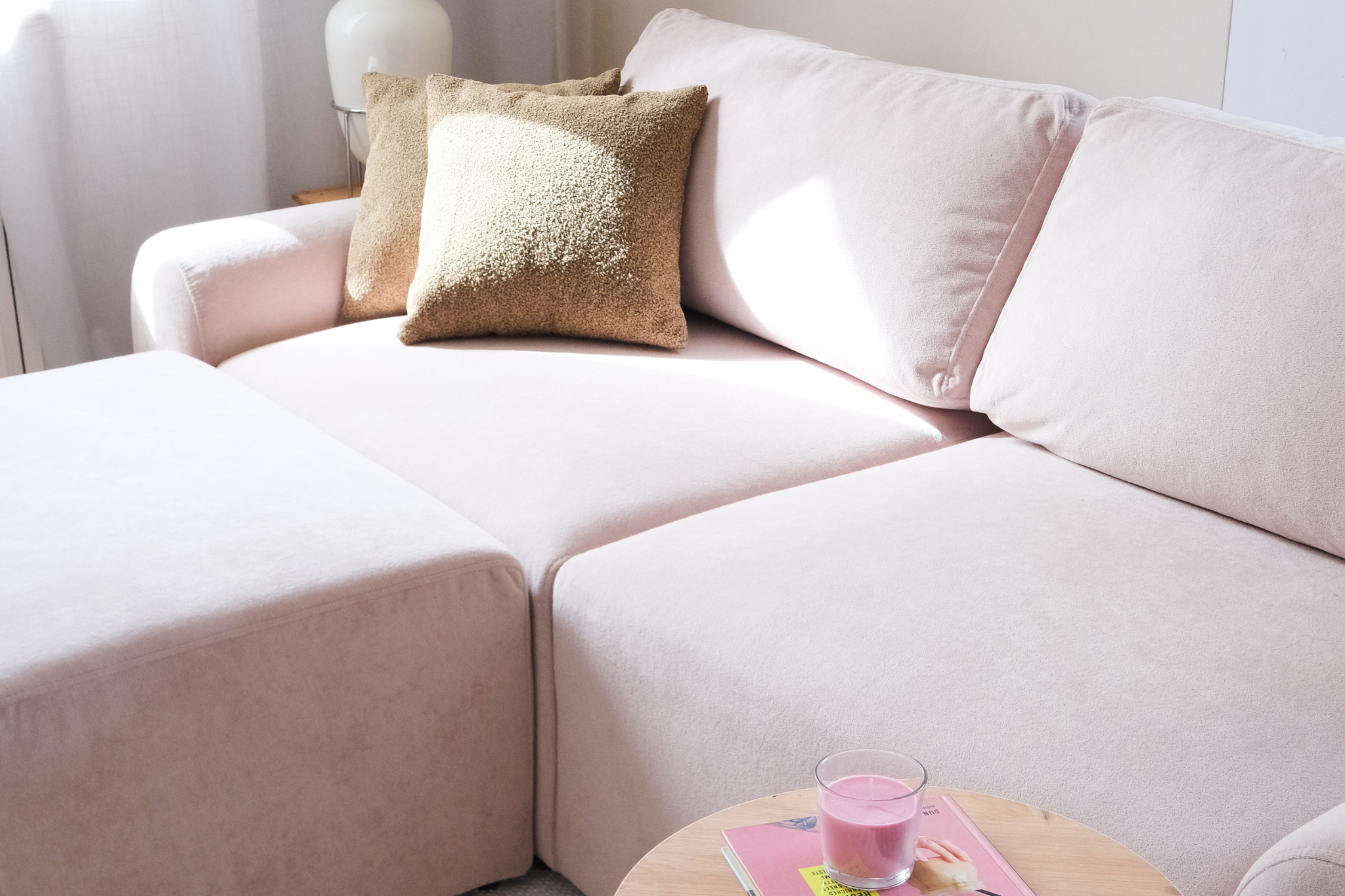
Neutral tones, greys, taupes, beiges, create a calm foundation and work with most interiors. They're also easier to style around as your taste evolves. Darker colors add drama but can make small spaces feel smaller. Lighter tones reflect light and keep rooms feeling open.
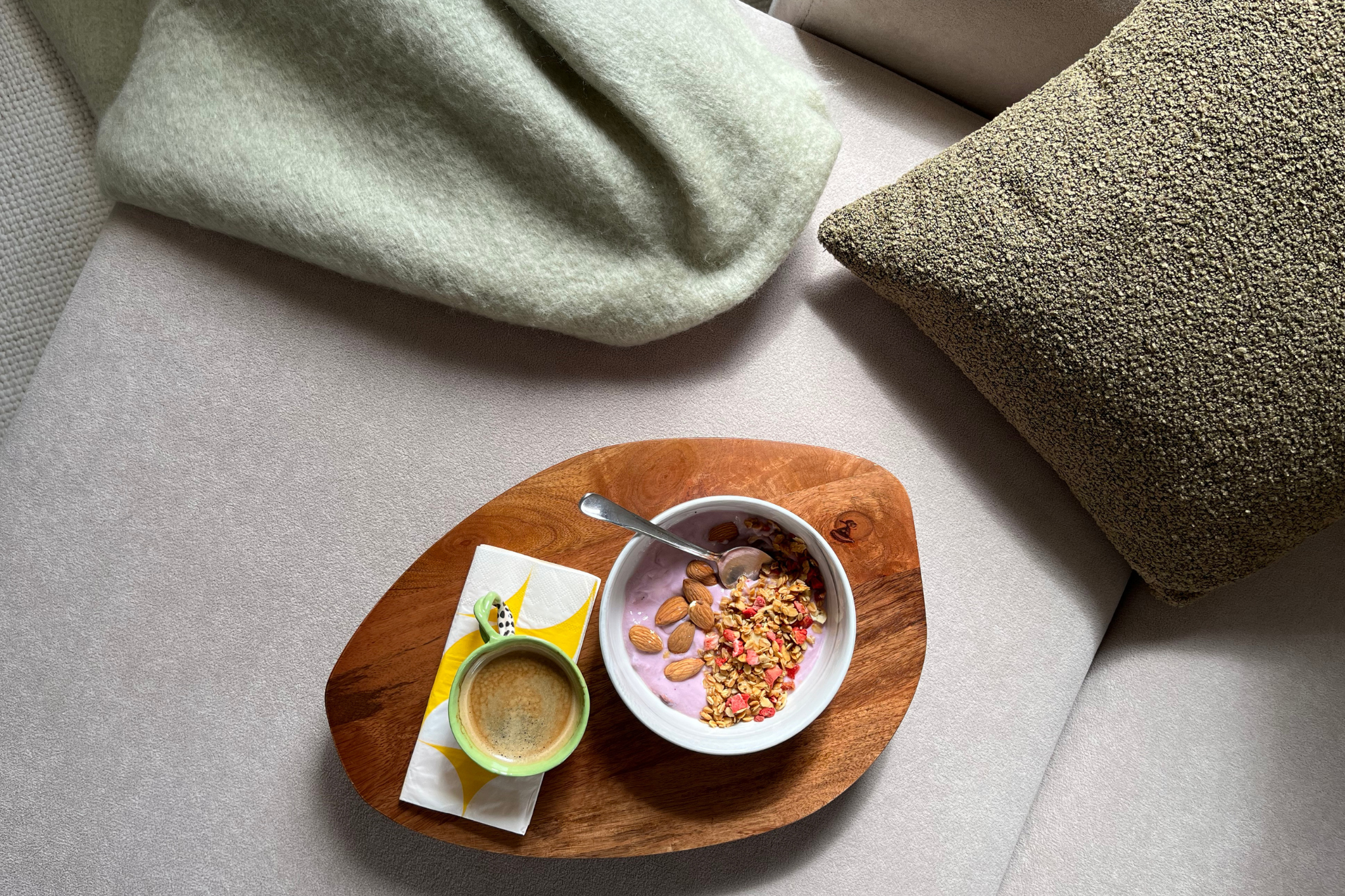
Texture adds interest without color. A bouclé sofa in a neutral shade still has personality. Velvet catches light differently than flat weaves. Corduroy brings subtle dimension. You don't need bold color to make a statement.
Accent Accessories
Pillows and throws personalize a sofa without permanent commitment. Mix textures, velvet pillows on a linen sofa, or knit throws over smooth upholstery. Stick to two or three accent colors to keep things cohesive.
Soffie's cushion covers are designed to coordinate with our upholstery, but they also work on their own. Double-sided designs give you options, and the thicker fabric holds up to daily use.
Canadian Design for Modern Living
Custom modular sofas from The Soffie are designed in Canada specifically for how Canadians live, then crafted in Europe to rigorous quality standards. The design process accounts for smaller urban spaces, frequent moves, and the need for furniture that performs year-round.
Performance fabrics are chosen with Canadian winters in mind, months of heavy indoor use, moisture from wet boots and coats, and the wear that comes from spending more time at home. The upholstery options resist staining and fading, and they're built to handle real life.
Craftsmanship and Durability Standards
The Soffie uses solid wood frames, reinforced joinery, and fabrics tested for durability. European manufacturing ensures consistent quality and adherence to environmental standards. These sofas are built to last decades, not seasons.
Because you can replace individual modules instead of the entire sofa, longevity is built into the design. A damaged seat or worn chaise doesn't mean throwing out your whole sectional. You swap one piece and move on.
The warranty covers defective parts due to manufacturing issues, as long as damage wasn't caused by misuse, accidents, or modifications. If a module fails, you replace that piece, not your entire investment.
Buyer-Focused Considerations
Investing in a custom modular sofa means understanding what you're paying for and what to expect. Lead times, pricing, and delivery all differ from mass-produced furniture, and knowing those details upfront makes the process smoother.
Cost Considerations & Financing
Custom modular sofas cost more upfront than mass-produced furniture, but the investment pays off. You're buying quality construction, durable materials, and flexibility to expand or reconfigure over time. Budget for at least $3,000 to $6,000 for a well-made modular setup, with premium options running higher depending on size and fabric.
Some brands offer financing to spread out payments. The Soffie provides options that make premium furniture more accessible without compromising quality.
Lead Times & Delivery
Custom sofas aren't sitting in a warehouse. They're made to order, which means lead times typically run 8 to 12 weeks depending on configuration and fabric choice. If you need seating immediately, custom modular might not be the right move. But if you're planning ahead, the wait ensures you get exactly what you ordered.
Delivery is straightforward, modules arrive in manageable boxes that fit through doorways and up stairs. Assembly is simple, usually requiring no tools or minimal effort.
Designing a custom modular sofa takes more thought than buying off the shelf, but the result is furniture that actually fits your life. You control the size, shape, fabric, and functionality. And because the sofa adapts as your needs change, it's not just a purchase, it's a long-term investment in how your home works.
Ready to start building? Visit our modular sofa collection to explore configurations and fabric options. Order free swatches to test colors and textures in your space, or reach out if you want help planning the layout. Every module is customizable, and every setup is designed to grow with you.
Frequently Asked Questions
How do I choose the right configuration for my modular sofa?
Measure your space carefully, length, width, and any obstacles like windows or doors. Think about how many people use the sofa daily and whether you need extra features like storage or a sleeper. Start with a simple configuration (two or three modules) and expand later if needed.
What fabrics are best for a custom modular sofa?
Performance fabrics like treated polyester blends resist stains and fading, ideal for high-traffic homes or families with kids and pets. Velvet adds warmth and luxury but requires more care. Bouclé balances durability with texture. Leather ages beautifully but comes at a higher price. Order fabric swatches to see how the material looks and feels in your actual space before deciding.
Can I add more pieces to my sofa in the future?
Yes. That's the core advantage of modular design. You can purchase additional seats, chaises, ottomans, or corner pieces later and connect them to your existing setup. As long as you stick with the same product line, the modules will fit seamlessly. This lets you start small and expand as your space or needs change.