A modern sitting room isn't about cramming in as much furniture as possible. It's about creating a space that feels intentional, comfortable, and easy to live in. Modern sitting room furniture leans toward clean lines, warm neutrals, and pieces that adapt as your needs change. The goal is a room that looks pulled together without feeling stiff or overly designed.
Modular furniture makes this easier. Instead of committing to one fixed layout, you're building a space that can shift when you move, when you host, or when you just want a change. Pair that with thoughtful styling and you end up with a sitting room that works for real life.
Modular Sectional Sofas and Seating
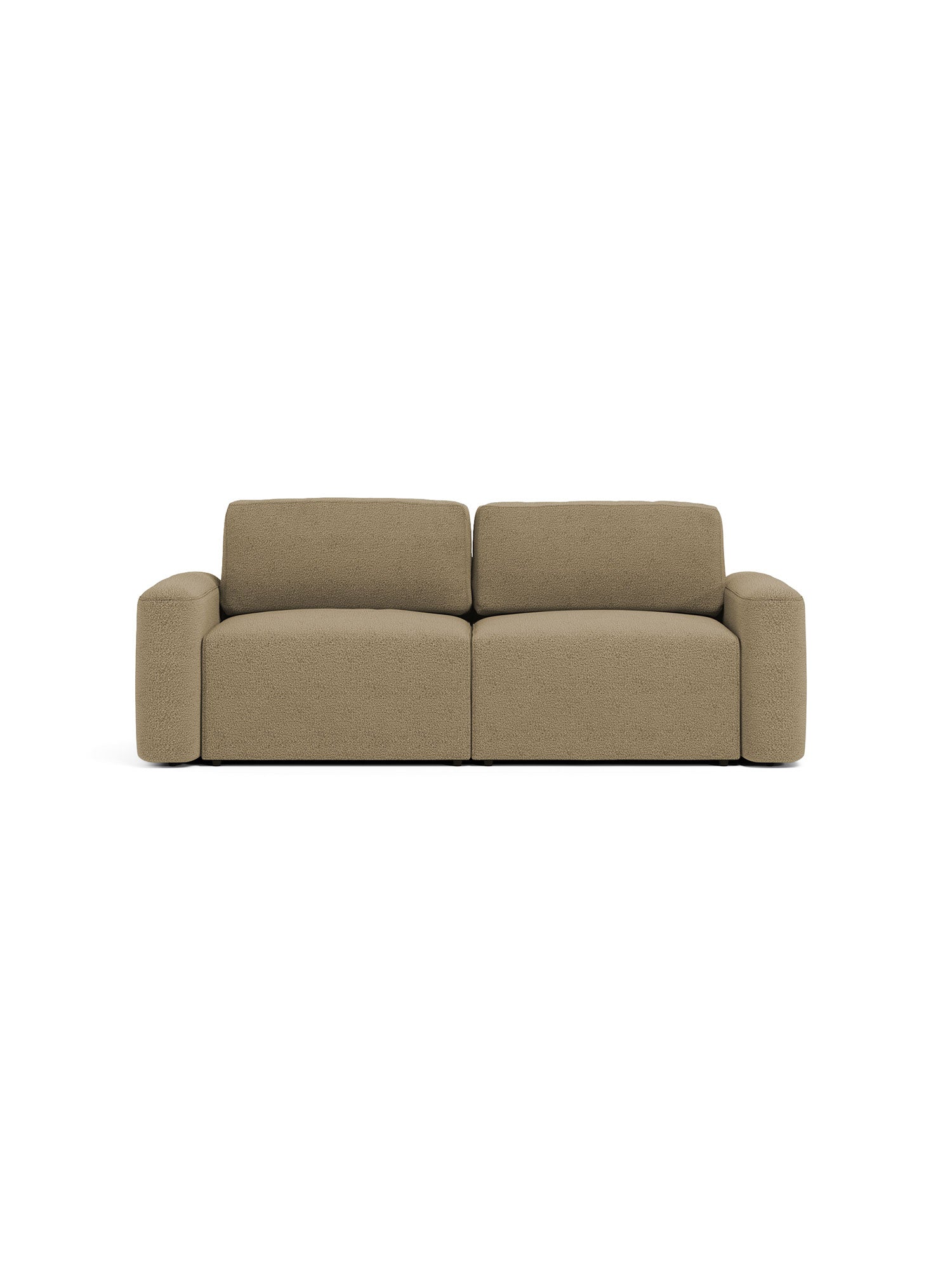
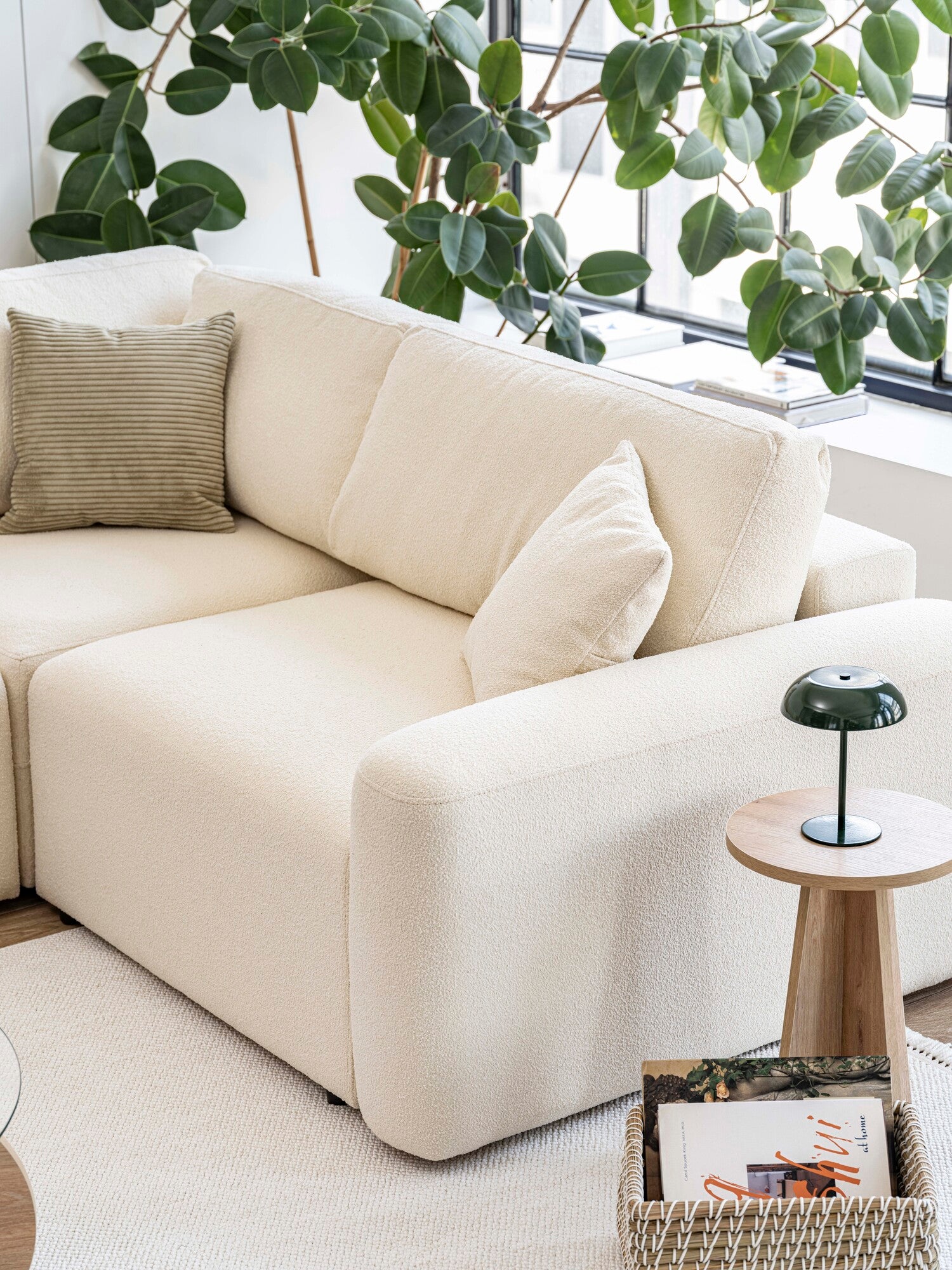
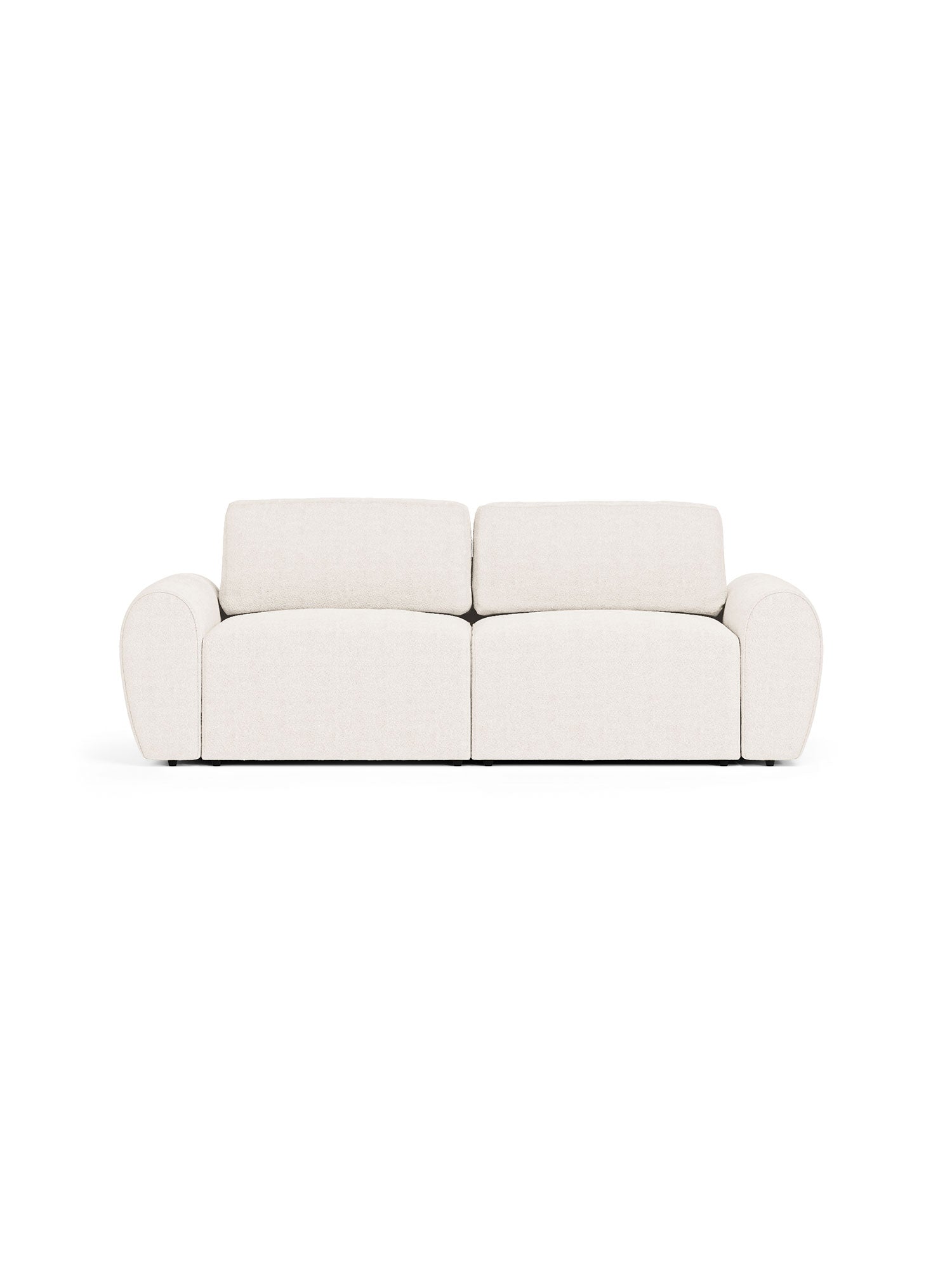
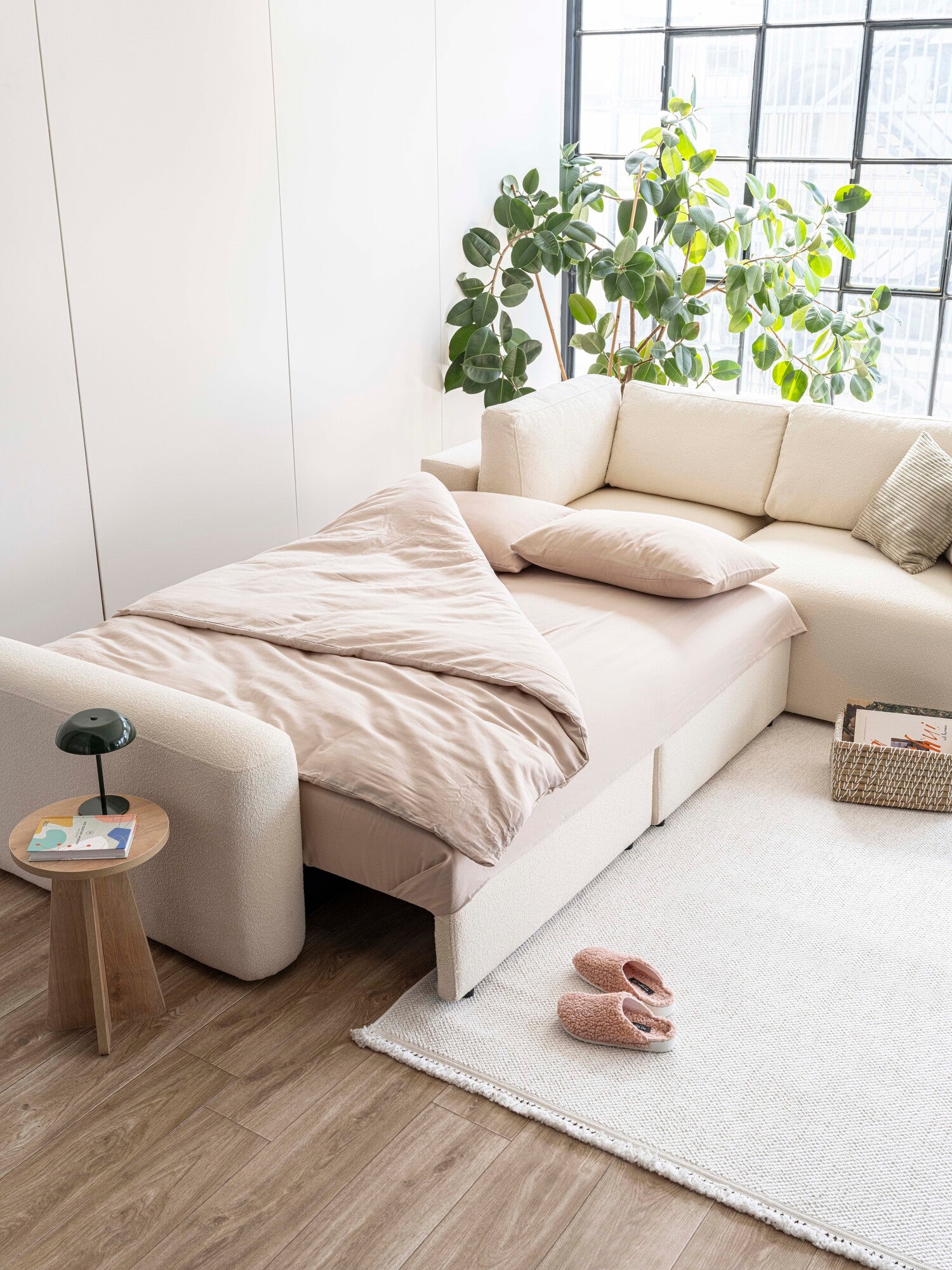
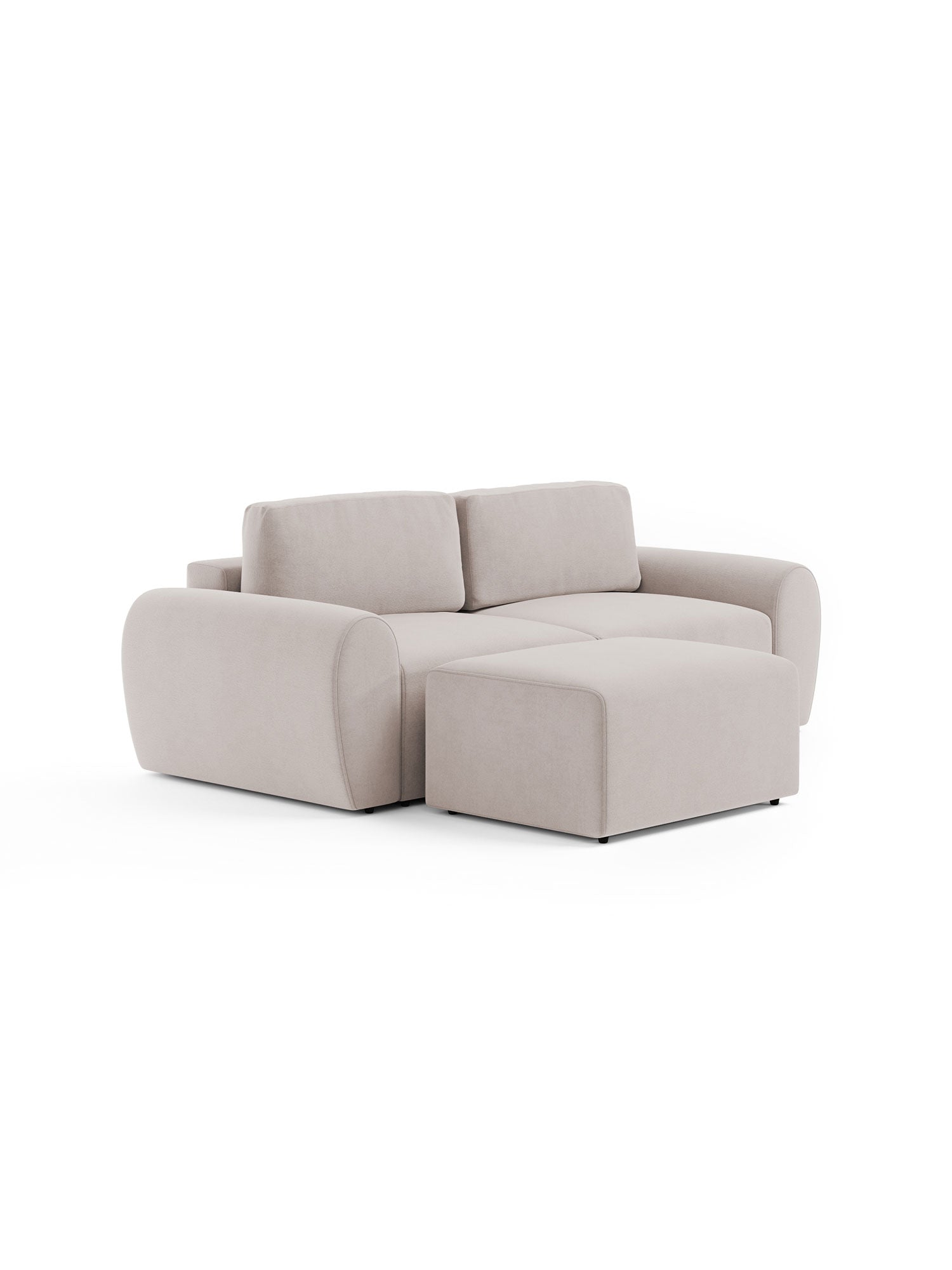
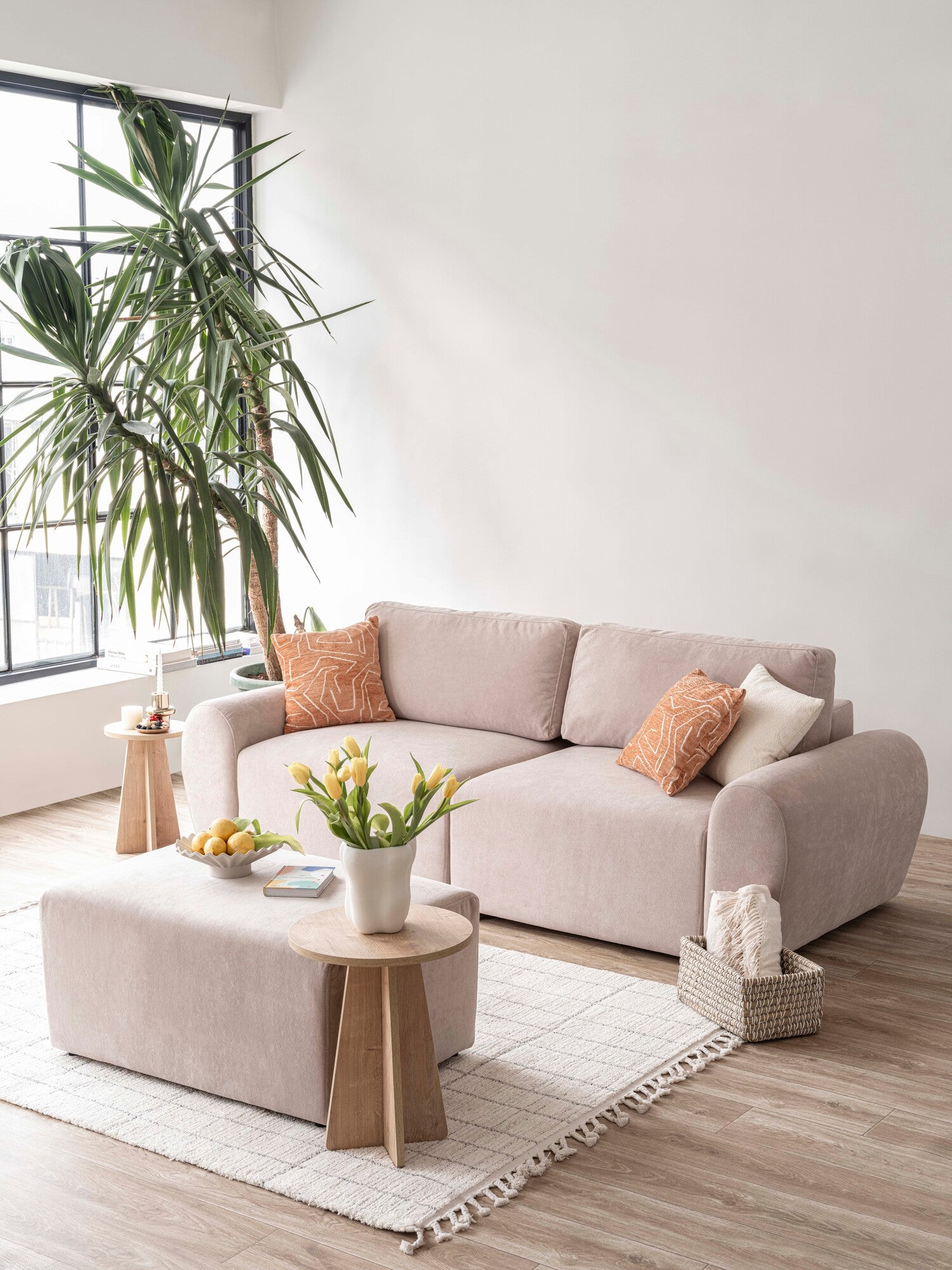
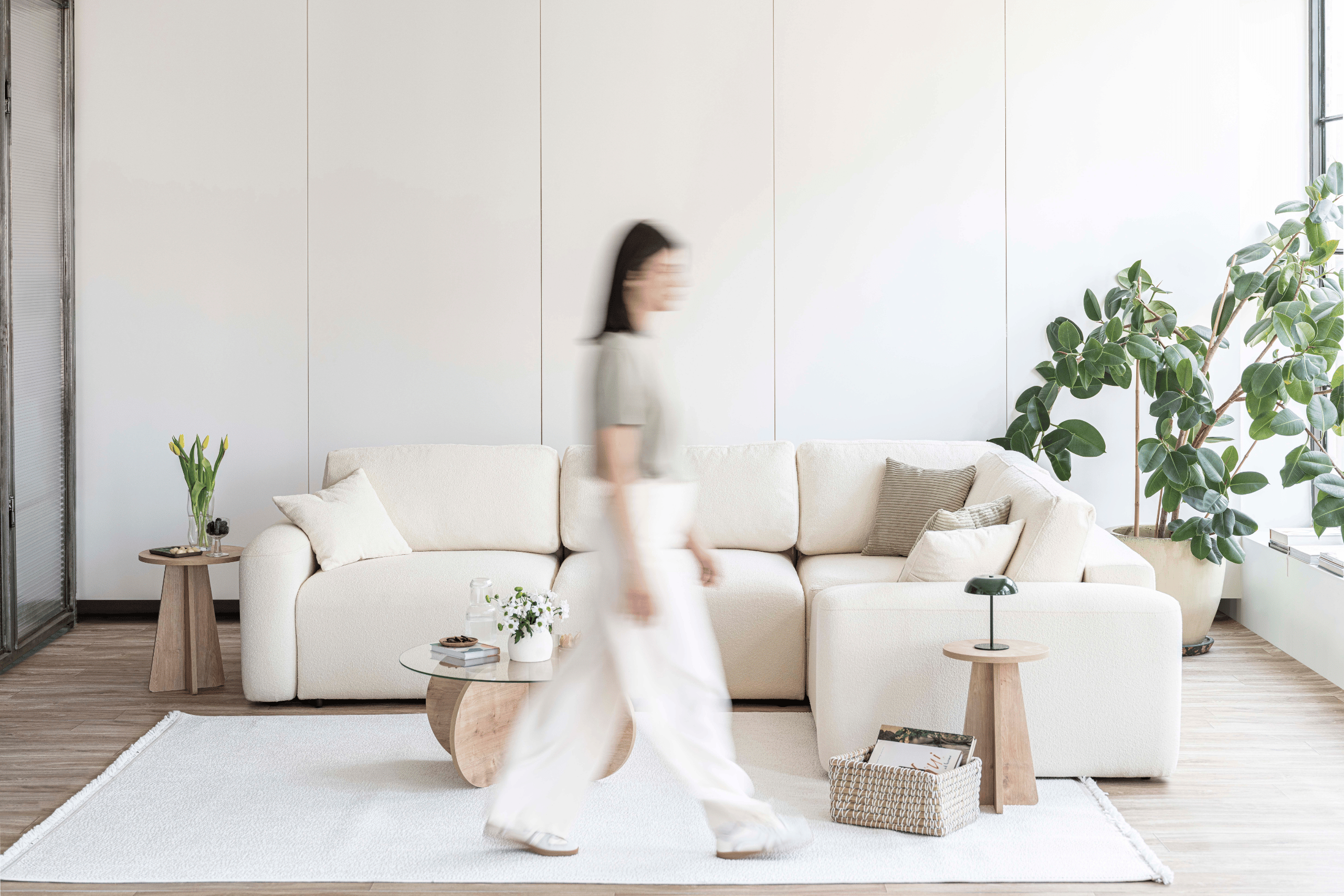
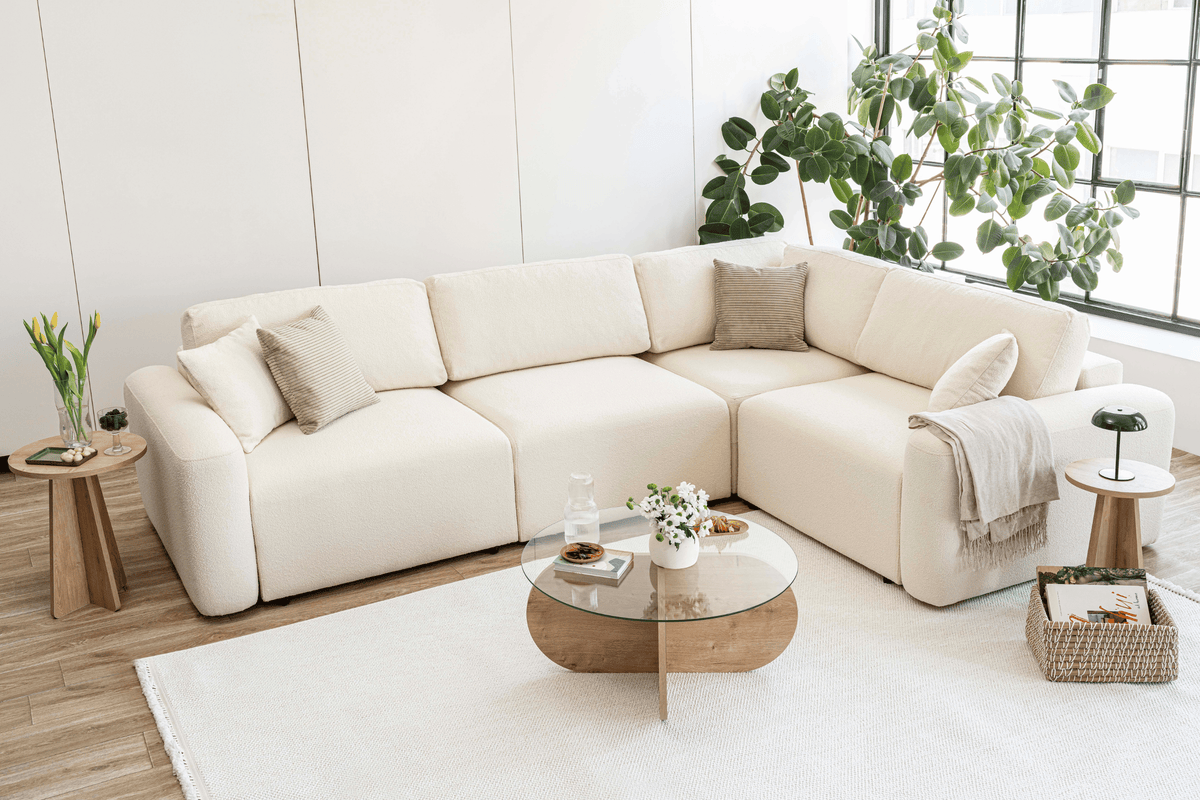
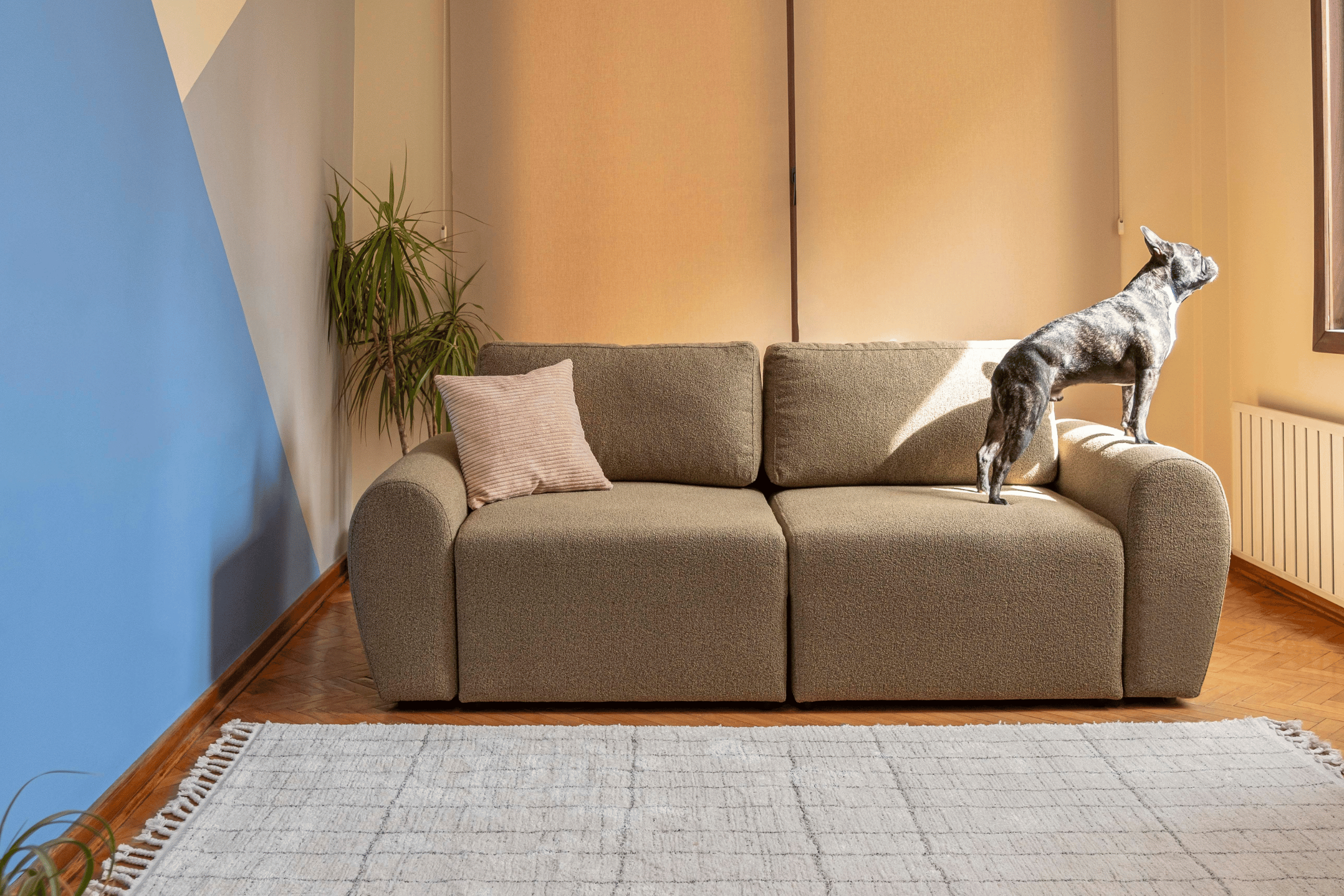
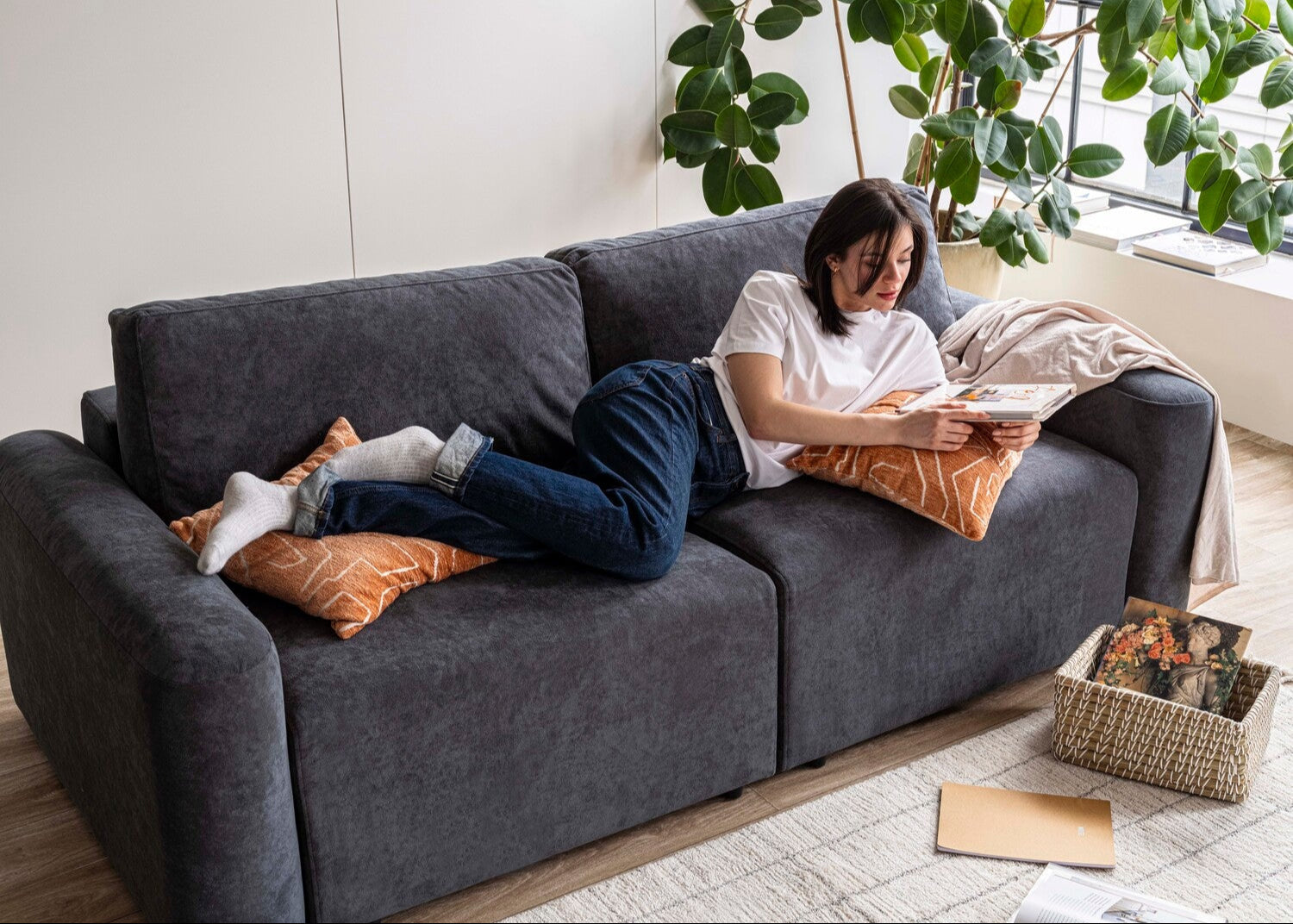
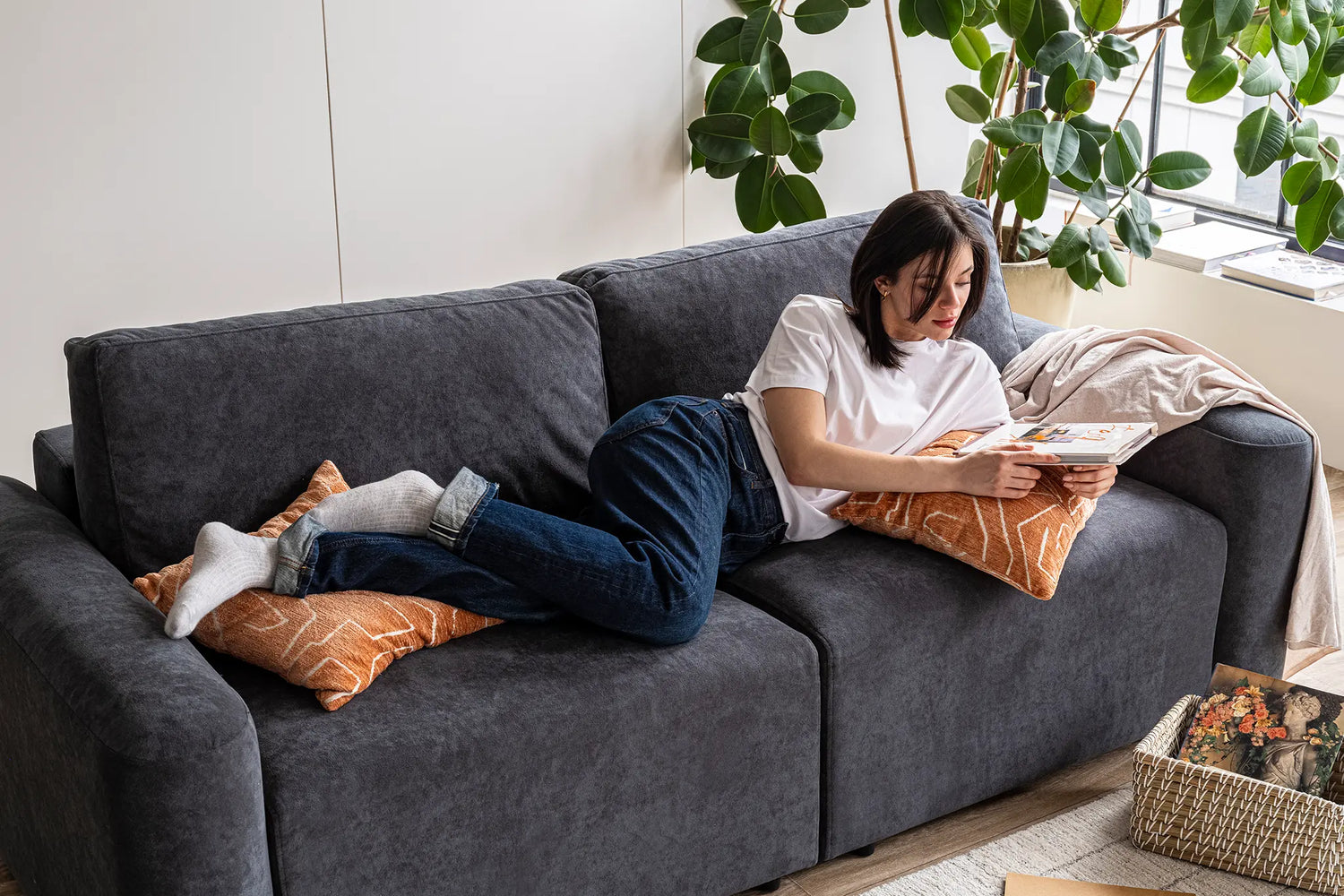
The sofa anchors everything else. A modular sectional sofa gives you flexibility that traditional sofas can't match. You can start with a two-seater and add modules later, or reconfigure the layout when you move to a different space. No wrestling with doorways or committing to a shape that might not work in six months.
Modular sectionals also let you control how much seating you actually need. Hosting friends regularly? Add extra seats or a chaise. Living alone or with one other person? Keep it minimal. The pieces connect securely, so the sofa doesn't feel like separate chunks floating around your room.
Soffie's modular sofas are designed with this in mind. The proportions work in both tight apartments and larger open-concept homes. The upholstery options (Ultimate Velvet, Bouclé Texture, Courdroy) are all Oeko Tex Certified, machine washable, and built to handle daily use without looking worn out after a year.
Armchairs and Accent Seating
An armchair adds flexibility without eating up as much space as another sofa. It's where guests sit when the sectional's full, or where you curl up with a book when you want your own spot. Compact armchairs work in tight corners. Oversized ones become statement pieces in larger rooms.
Soffie's armchairs offer deeper seating for lounging comfort. Both Loop and Nest are available in the same upholstery as the sofas, so if you want everything to match, it's straightforward. If you want contrast, mix fabrics, velvet armchair with a bouclé sofa, for example.
Poufs work as extra seating, footrests, or even makeshift side tables if you need surface space in a pinch. They're easy to move around and don't commit you to a permanent layout.
Coffee Tables and Surface Options
A modern coffee table does more than hold drinks. It defines the center of your seating area and sets the tone for the room. Soffie’s coffee tables lean into organic, curvy shapes, combining engineered wood bases with glass or metal details for a warm but modern look.
The Bubble Coffee Table pairs a rounded wood base with a glass top. The wood brings warmth; the glass keeps things light. The Dior Coffee Table takes a more sculptural approach with an organic glass shape on a metal base. Both styles soften the straight lines of most sofas and add visual interest without clutter.
Nesting tables give you flexibility. Use both when you're hosting, tuck the smaller one away when you're not. The layered look adds depth, and you're not stuck with a massive coffee table taking up space you don't always need.
Side Tables for Functionality
Side tables sit next to sofas or armchairs, holding lamps, books, drinks, whatever you need within arm's reach. Round wooden side tables (like Soffie's Mushroom 2pc set) bring natural texture and warmth. The nesting design means you can separate them or stack them depending on your layout.
The Dior Side Table matches the coffee table collection if you want a cohesive look. Organic glass shapes tie the room together visually, and the transparent material doesn't add visual weight.
Layout and Flow in Small Spaces
Layout matters more in small spaces. You can't just shove furniture against walls and call it done. Leave at least 18 inches of clearance around seating for comfortable movement. If your room is really tight, 12 inches works, but you'll feel it.
Coffee tables should sit 14 to 18 inches from the sofa, close enough to reach without leaning, far enough that you're not bumping knees. Side tables go next to seating where you'd naturally set down a drink or book.
Modular furniture helps here because you're not locked into one configuration. Start with fewer pieces and add more if the layout feels empty. It's easier to add than to remove, and small spaces punish overcrowding more than larger ones do.
Balancing Seating and Surfaces
Every seat should have a nearby surface. If someone's sitting on the sofa, they need a place for their drink. That could be a coffee table, a side table, or even a pouf if it's got a flat top.
Too many surfaces clutter a room. Too few and people are holding drinks in their laps or setting them on the floor. Aim for one coffee table plus one or two side tables, depending on how much seating you have.
Styling Without Clutter
Coffee table decor should be intentional. A couple of books, a small plant, maybe a candle. That's it. When you start stacking decorative objects, trays, and random stuff, the table stops being functional and starts being a storage problem.
Keep the center of the table mostly clear so there's room to actually use it. If you're hosting, you need space for drinks and snacks. If you're working from the sofa, you need room for a laptop.
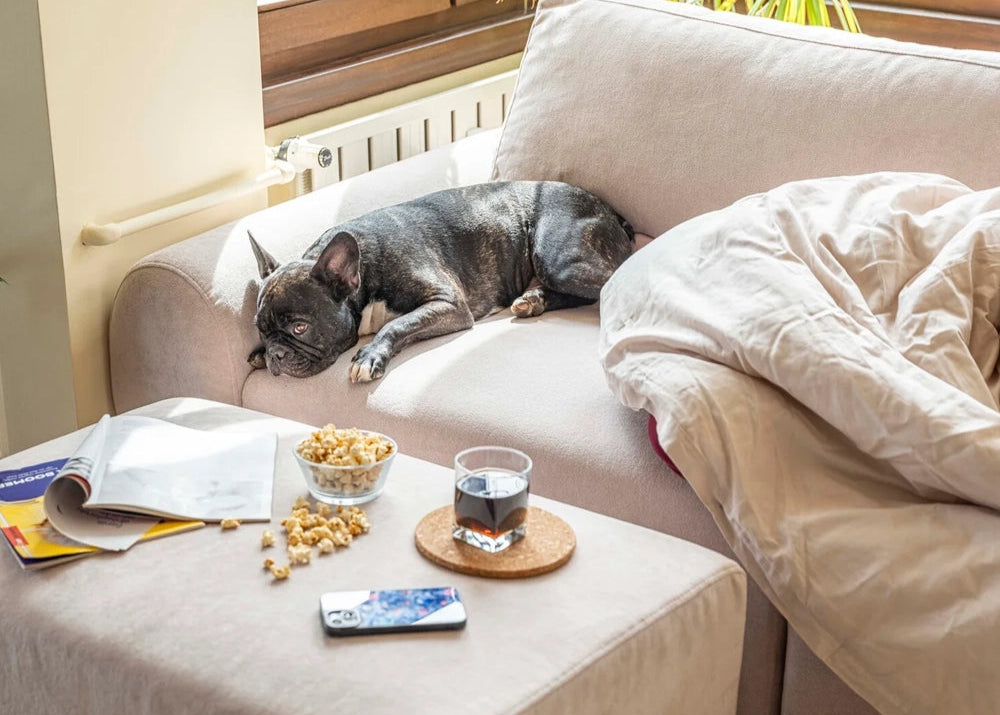
Accent pillows and throws add warmth and texture without permanent commitment. Soffie's cushion covers coordinate with our upholstery. Swap them seasonally if you want a refresh without replacing furniture.
Lighting matters more than people think. A floor lamp next to an armchair creates a reading nook. A table lamp on a side table adds ambient light in the evening. Overhead lighting alone makes rooms feel flat.
Designed for Canadian Living
Soffie's furniture is designed in Canada for how Canadians actually live, then crafted in Europe to high manufacturing standards. That means accounting for smaller urban spaces, frequent moves, and the reality of spending a lot of time indoors during long winters.
Performance fabrics resist staining and fading. Frames are built to handle daily use for years. And because the furniture is modular, it adapts when you move from a condo to a house or downsize later.
The design aesthetic leans minimal but warm, clean lines, natural materials, neutral tones. It's contemporary without being cold, which suits Canadian tastes and works across different interior styles.
A modern sitting room doesn't require a massive budget or a designer. It requires thoughtful choices about what you actually need and how you'll use the space. Start with a modular sectional, add an armchair if you've got room, choose a coffee table that fits your layout, and keep styling minimal. The furniture does the work; you just have to let it.
Ready to start building your sitting room? Explore Soffie's modular sofas to find a configuration that fits your space. Pair it with a coffee table from our collection, and order fabric swatches to see how the upholstery looks in your actual home before committing.
Frequently Asked Questions
What furniture pieces are essential for a modern sitting room?
A modular sectional sofa, at least one side table, and a coffee table. An armchair adds flexibility if you've got the space. Lighting (floor or table lamps) is essential but often overlooked. Everything else is optional. Don't overcrowd the room trying to fill every corner, modern sitting rooms work better with breathing room.
How can I make my sitting room feel cozy yet minimalist?
Use warm neutrals (taupes, soft greys, creams) and natural textures like wood and bouclé fabric. Curved furniture shapes (like Soffie's organic coffee tables) soften the look. Add a few accent pillows and a throw, but keep decor minimal. Cozy doesn't mean cluttered, it means intentional warmth.
Can I mix different modular furniture styles?
Yes, but keep the color palette cohesive. A curved coffee table with a linear sofa creates visual interest. Mixing textures (velvet armchair with bouclé sofa) adds depth. Just make sure finishes relate, if your sofa has wooden legs, your tables should complement that wood tone. Variety works when there's an underlying thread tying it together.