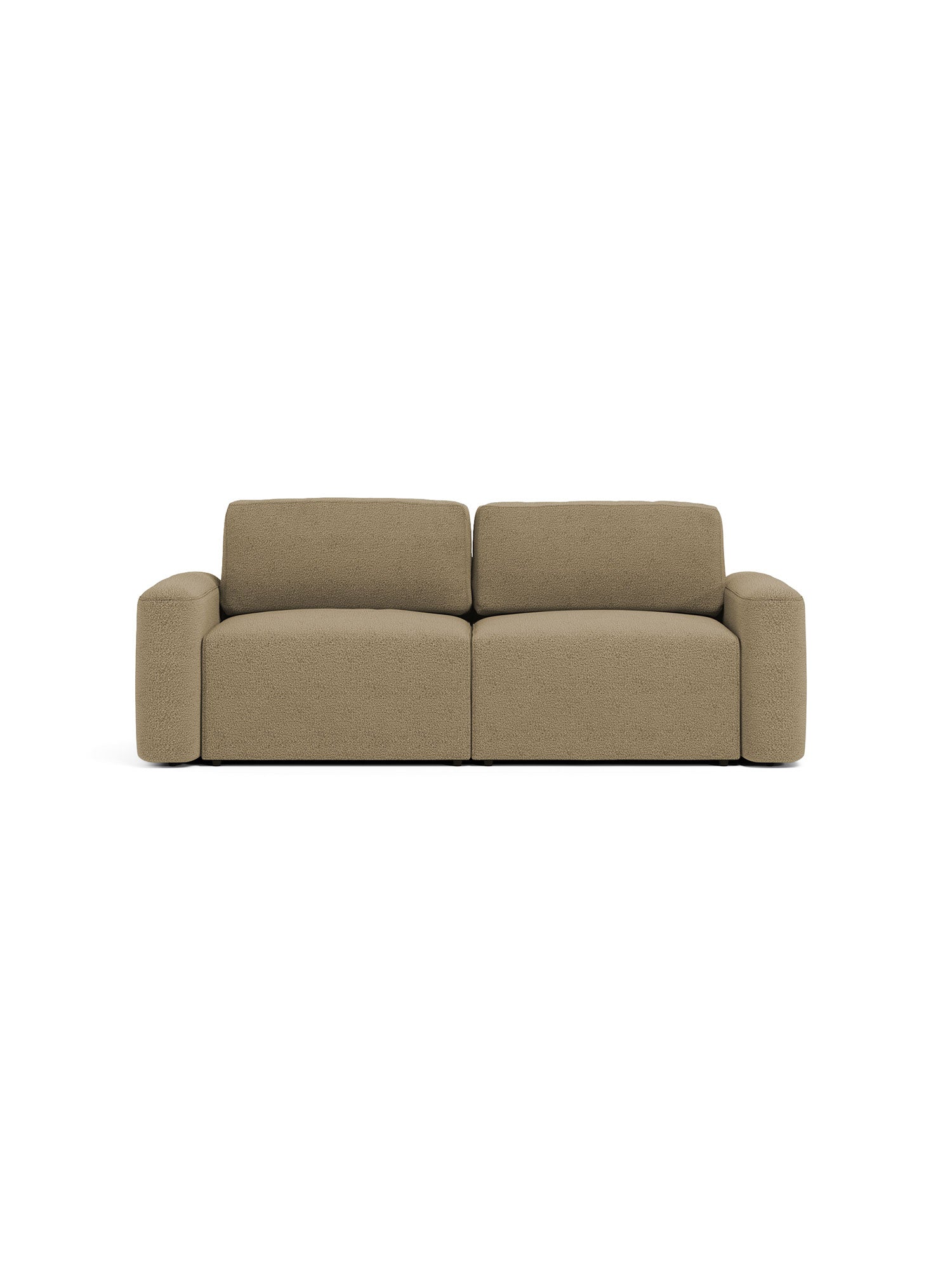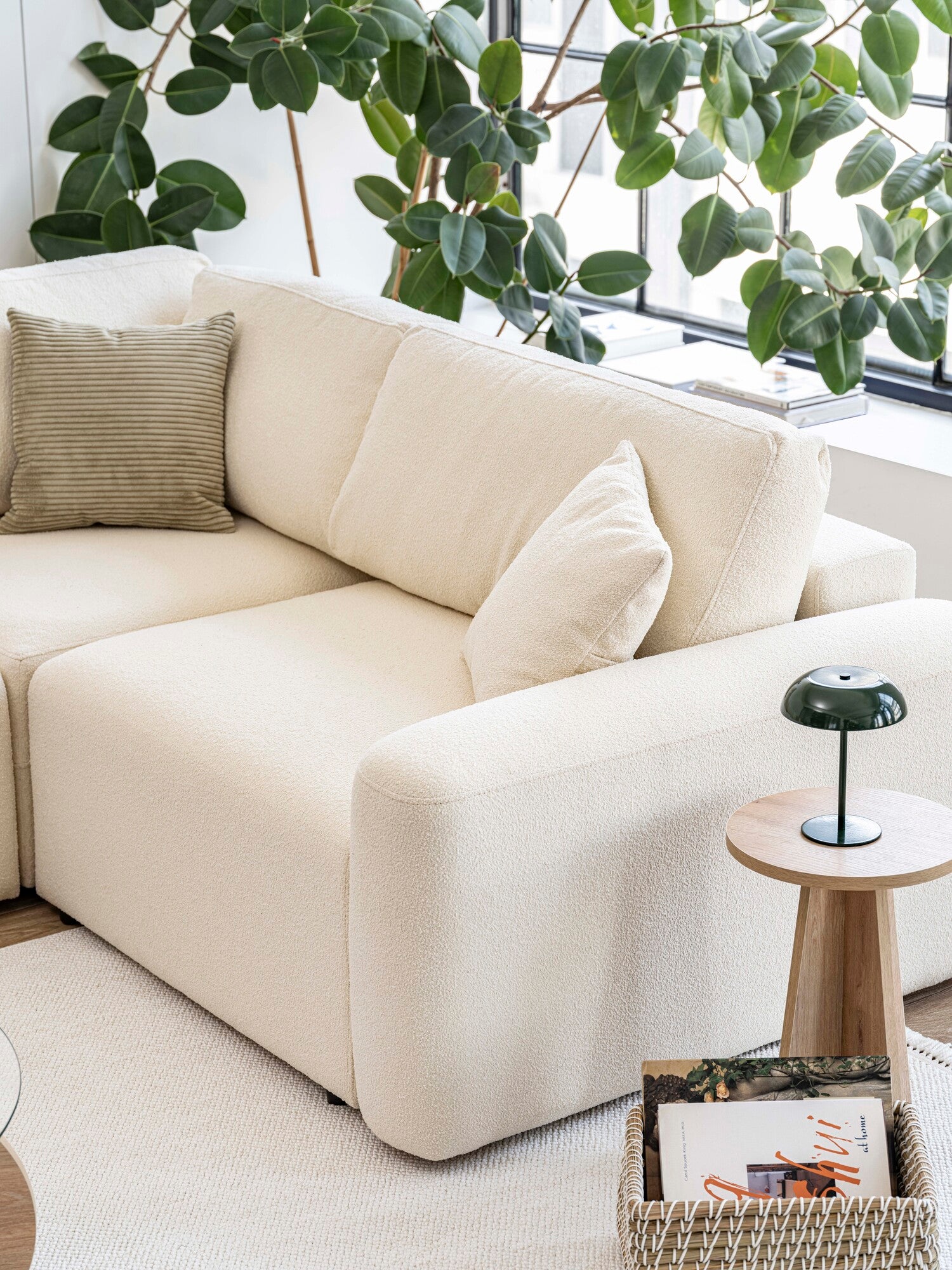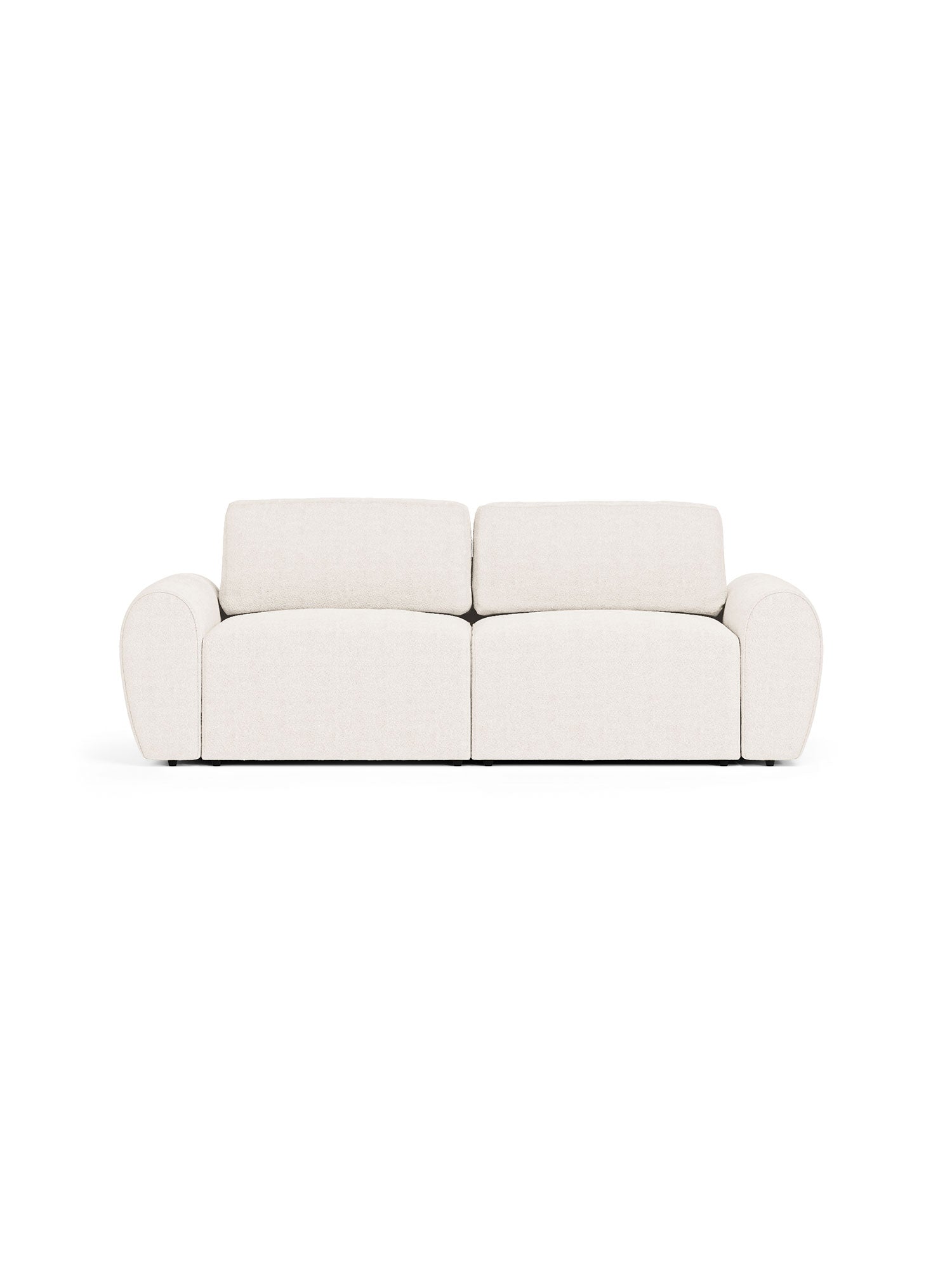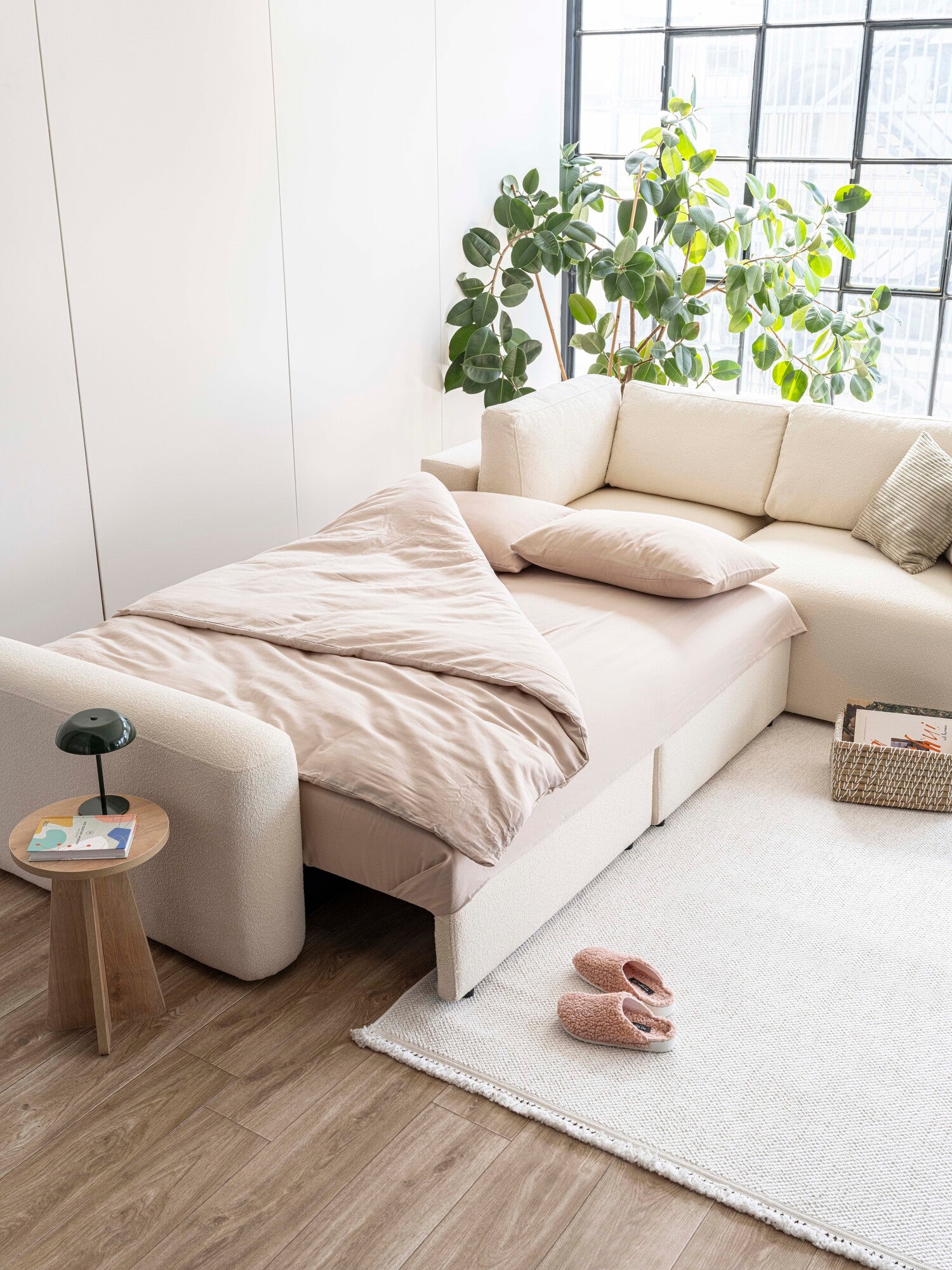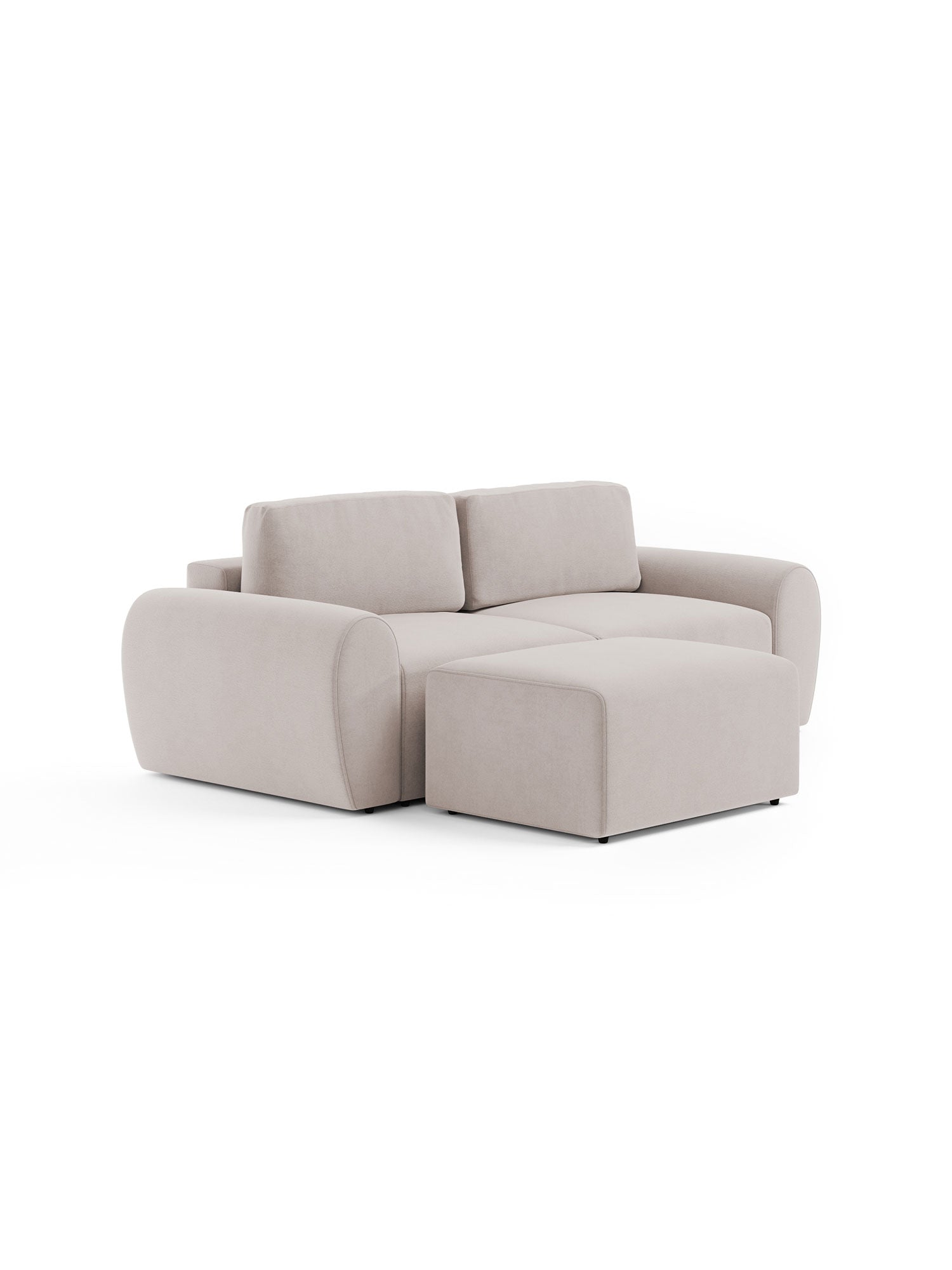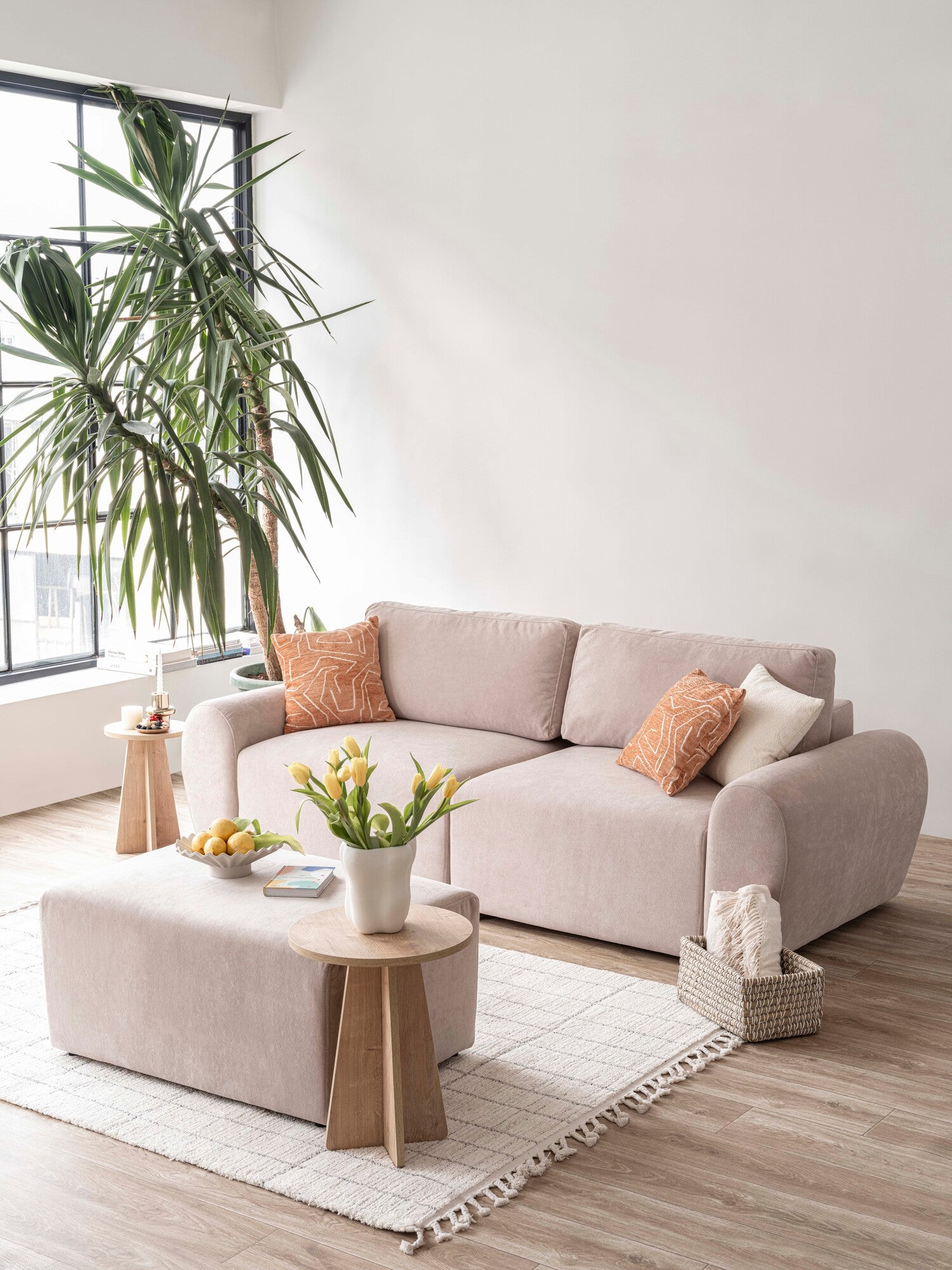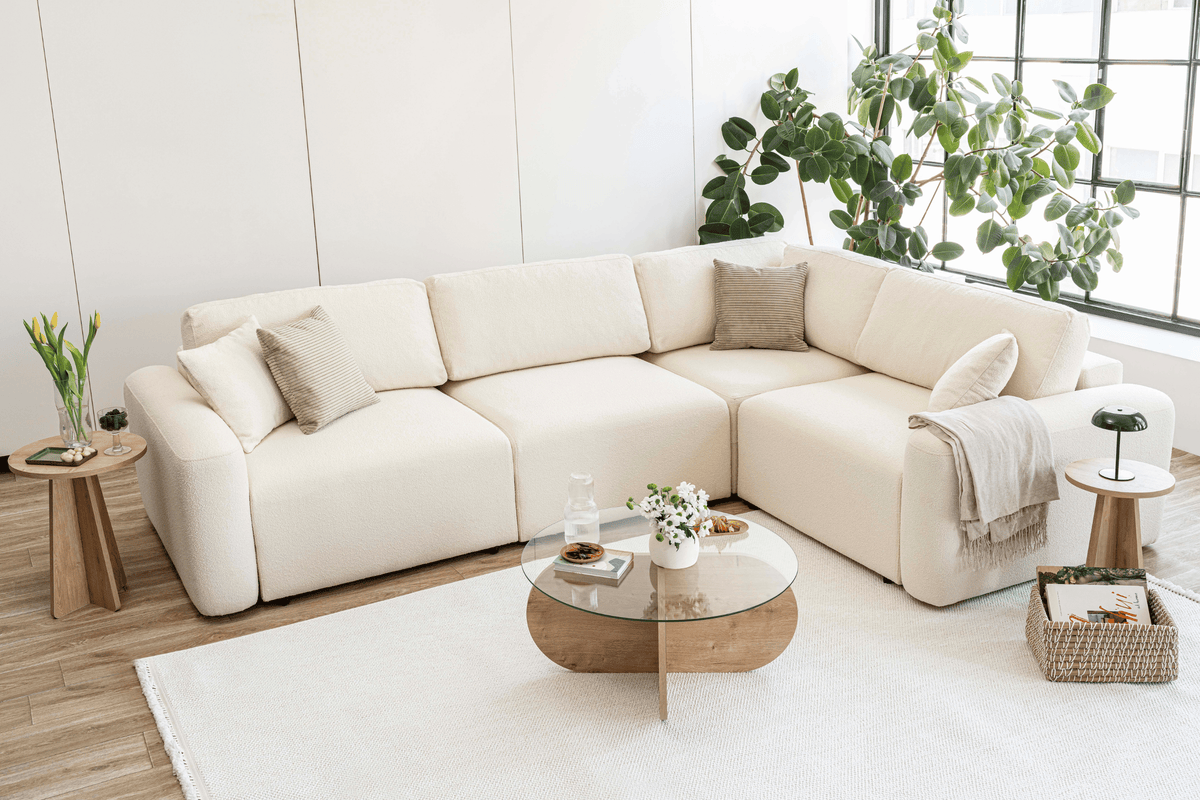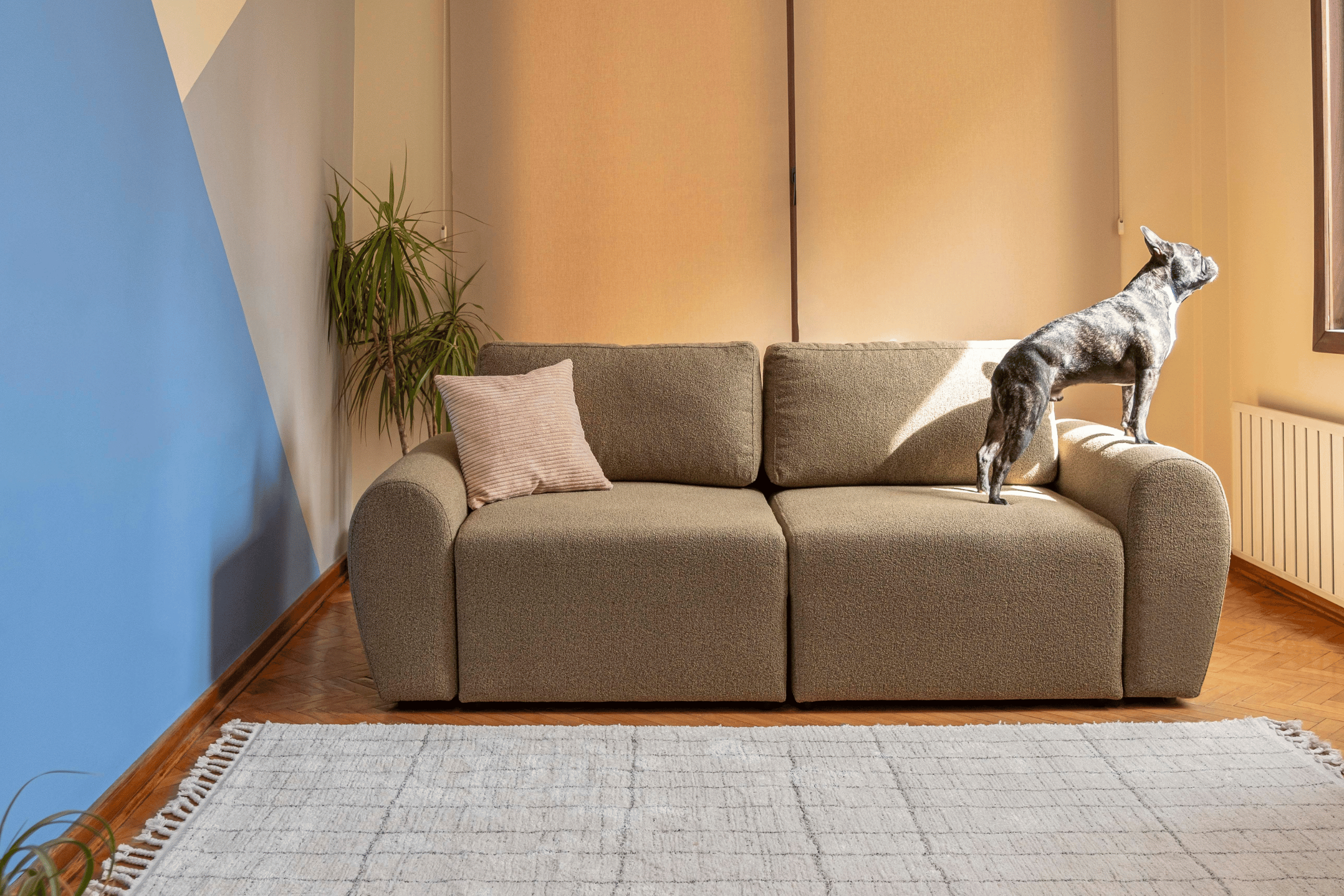
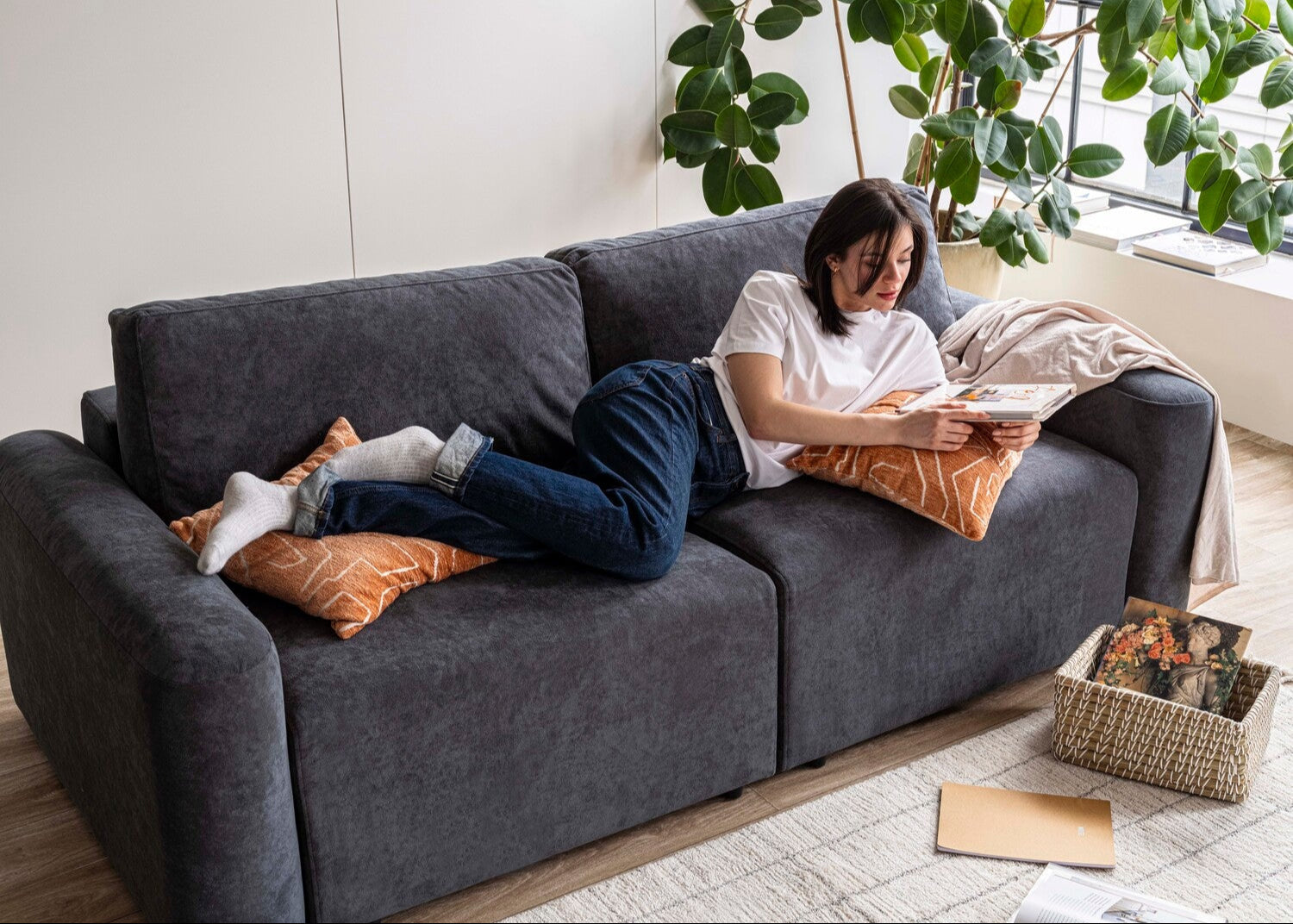
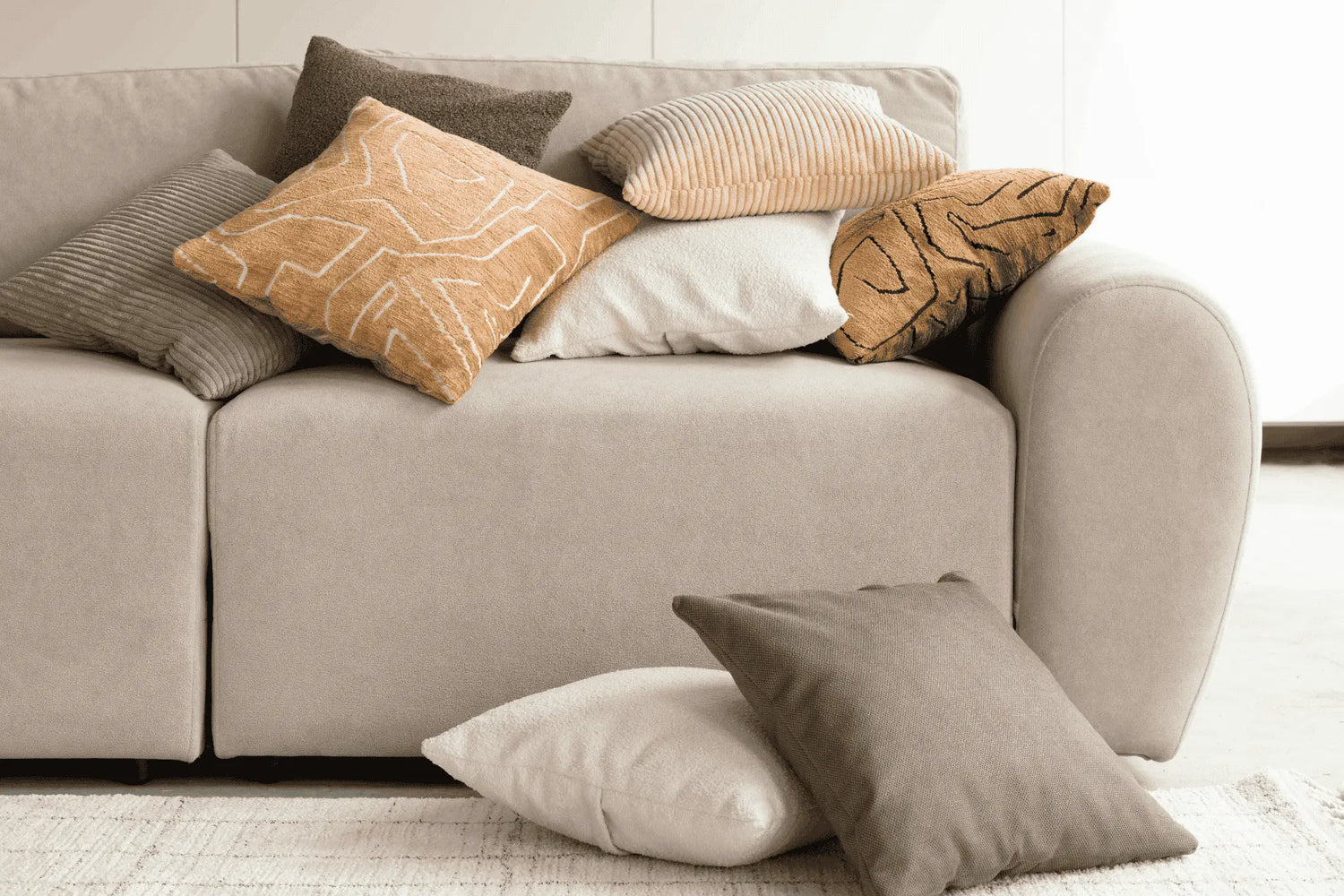
The slow furniture movement isn't about being old-fashioned. It's about being deliberate. Choosing quality over quantity. Investing in pieces that last decades instead of replacing furniture every few years.
Fast furniture had its moment. Cheap, trendy, disposable. But the cost of that convenience is finally catching up to us. Financially, environmentally, and personally, the model doesn't work anymore.
2026 is shaping up to be the year consumers stop accepting planned obsolescence. They're asking harder questions. Where does my money actually go? How long will this last? Can I repair it if something breaks? The brands answering those questions honestly are leading the shift to something better.
What Is Slow Furniture? Understanding the Movement
Slow furniture emerged as a direct reaction to the waste crisis that fast furniture created. At its core, it's built on principles that sound simple but have become increasingly rare in modern manufacturing.
Craftsmanship matters. Not rushed production lines, but skilled labor and attention to detail that shows in how furniture feels and functions. You can tell the difference when you sit on it, when you move it, when you live with it every day.
Longevity comes from materials that actually last. We're talking 100% solid beech wood frames that won't sag or lose shape. High-density 32 DNS foam that maintains support year after year. Certified fabrics that withstand daily use without thinning out or pilling. These materials cost more upfront, but they perform for decades instead of breaking down in a few years.
Repairability is where slow furniture really differentiates itself. When something breaks, you can fix it. Parts are available. They arrive quickly, 2 days in Toronto, 15 days across Canada. You're not dealing with 50-day factory returns that leave you sitting on the floor for weeks while your sofa gets shipped back and forth.
Timeless design means the piece won't look dated in ten years. Clean lines that work with multiple styles. Functional forms that adapt to different spaces. You're not chasing trends that'll make you cringe when you look at photos five years from now.
Ethical production includes fair wages, environmental standards, and transparency about where and how furniture is made. When 10% of a product's cost goes to European labor, you're supporting skilled craftspeople earning fair wages, not exploiting cheap labor.
Transparency in pricing and materials separates honest brands from ones hiding behind vague marketing. Clear information about what percentage goes to materials. Honest disclosure about where furniture is made. No smoke and mirrors about quality.
The investment mentality shifts focus from sticker price to cost-per-year. A longer warranty signals confidence in construction. Shorter coverage often reflects a lower expectation of how long the piece will realistically last.
Fast furniture often operates on very different principles, using lower‑cost materials and short lifespans that lead to frequent replacement and, ultimately, more waste.
The contrast becomes obvious when you look at lifespans. The average cheap sofa barely makes it to three years before the foam collapses or the frame gives out. Quality pieces last fifteen years or more with proper care. Multiply that replacement cycle across millions of households, and the environmental waste is staggering.
2026 feels like a cultural tipping point. Consumers are done settling for disposable furniture. They're demanding accountability through reviews, social media, and their purchasing decisions. They want brands to prove their claims with real warranties, transparent cost breakdowns, and actual customer satisfaction scores that hold up over time.
The brands leading this movement invest a much larger share of each product’s cost into materials and craftsmanship rather than retail markups and advertising. Soffie follows this approach by prioritizing high‑quality frames, foam, and fabrics, alongside European manufacturing standards, instead of expensive showrooms and middlemen.
The True Cost of Fast Furniture
Fast furniture seems like a bargain until you add up what you're actually paying. The real cost goes far beyond the price tag at checkout.
Financial Cost
The math on cheap furniture is deceptive. It looks affordable when you're standing in the store or scrolling online. Then it falls apart in a few years, and you're shopping again. Paying delivery fees again. Assembling furniture again. Figuring out how to dispose of the old piece again.
Thinking in cost-per-year instead of purchase price changes the calculation completely. A sofa that lasts three times longer doesn't cost three times more. It usually costs less per year of actual use, and you save all the time and hassle of constant replacement.
Warranty protection matters in this calculation too. If something goes wrong with fast furniture after two years, you're replacing it at full cost. With a 5-year warranty, you're covered. That protection has real value when you're talking about furniture you use every single day.
Hidden costs pile up in ways you don't notice until you add them up. Delivery fees for every replacement. Disposal fees or the hassle of getting rid of bulky furniture. The time spent shopping, comparing options, placing orders, assembling pieces. That's hours of your life that aren't free, even if nobody charges you directly.
Environmental Cost
Canadian landfills fill up with furniture waste every year. The manufacturing emissions compound with every replacement. Shipping and transport impacts multiply when you're buying five cheap sofas over time instead of one quality piece that lasts.
Modular design actually reduces waste from both production and transportation. Pieces that fit together efficiently use materials more effectively than one massive sectional that's mostly empty space. Efficient manufacturing matters when you're thinking about environmental impact.
Chemical and toxicity issues get overlooked in cheap furniture. Budget fabrics are often treated with chemicals to fake thickness or durability. Those treatments off-gas into your home for months. Certified fabrics without those chemical shortcuts protect your indoor air quality and your family's health.
Personal Cost
The personal toll of fast furniture is real but harder to put a number on. It shows up in ways that compound over time.
Time and energy drain constantly. You're always shopping for the next piece. Decision fatigue sets in because you're never done making furniture choices. Assembly frustration hits every few years. It's exhausting in a way that's hard to quantify but very real.
The emotional cost sneaks up on you. Living with furniture you don't love because you're already mentally planning the "next upgrade." Never feeling settled in your space. Always looking ahead to when you can finally buy something better. That affects how you experience your home every day.
Physical discomfort matters more than people realize. Cheap foam at 25-28 DNS density lacks proper support. It sags within months. Your back hurts when you sit for more than twenty minutes. You're uncomfortable in your own living room. Compare that to 32 DNS foam that maintains support and comfort for years, and the quality-of-life difference is significant.
The stress of repairs and returns is its own nightmare. Fast furniture breaks, and you're stuck in complicated return processes. Waiting fifty days for your sofa to go back to the factory and come back repaired. Or you just buy a new one because dealing with the hassle isn't worth your time and sanity.
Quality furniture with fast replacement parts eliminates that stress entirely. Something breaks, the part arrives in days, you fix it, you move on with your life. The difference in peace of mind is worth considering.
Why Modularity Is Central to Slow Furniture
Modularity seems contradictory at first glance. If slow furniture is about permanence and longevity, why would you want furniture that comes apart and reconfigures? Isn't that the opposite of committed, long-term investment?
Actually, modularity enables longevity in ways fixed furniture can't match. It's not about making furniture temporary. It's about making it adaptable so it lasts longer in your life.
Repairability becomes straightforward with modular design. One module gets damaged? You replace just that piece. You're not throwing out an entire sectional because one corner cushion wore out. Parts arrive in 2-15 days depending on location. You're not buying a whole new furniture set because one section failed.
Upgradability matters as your life changes. You move from a studio to a one-bedroom. You have kids. You start hosting dinner parties. With modular furniture, you add pieces instead of replacing everything. The initial investment grows with you instead of becoming obsolete.
Adaptability means your furniture works in different spaces. New apartment with a different layout? Reconfigure the modules. You're not stuck trying to make a fixed L-shaped sectional work in a room where it doesn't fit. The furniture adapts to your life instead of constraining it.
Design for disassembly solves the nightmare of moving. Anyone who's tried to get a traditional sectional down apartment stairs knows the struggle. Modular pieces go through doors and elevators easily. You can move without damaging your furniture or hiring extra help just to navigate tight corners.
Production efficiency creates less waste than manufacturing large, fixed pieces. Modular production is more material-efficient. It's easier to ship. It reduces the environmental footprint from factory to your home.
The circular economy principle works better with modular furniture. Pieces can be disassembled, repaired, upgraded, and even resold more easily than fixed furniture. They stay in use longer instead of heading to landfills when life circumstances change.
Contrast all of that with fixed furniture. It can't adapt to new spaces or changing needs. When it stops fitting your life, you get rid of it. That's not slow furniture. That's fast furniture with a temporarily higher price tag.
The materials prove this isn't about cutting corners. 100% solid beech wood frames. 32 DNS high-density foam. 5-year warranties. These aren't temporary pieces. They're built to last and designed to adapt so they stay relevant in your life for decades.
Slow Furniture Isn't Always What You Think
The slow furniture movement comes with misconceptions that hold people back from making better choices. Let's clear up what slow furniture actually means in practice.
Myth 1: Slow Furniture Must Be Solid Wood (True, But Not All Wood Is Equal)
Solid wood is indeed the premium choice for furniture frames, but the type of wood and how it's constructed matters more than most people realize.
100% solid beech wood offers superior strength and stability. It's dense enough that the frame doesn't need a center support leg. The structure is strong enough on its own to handle daily use without sagging or losing shape over time. That's engineering backed by material quality.
Many brands use beech or poplar plywood to cut costs. It's cheaper to produce, but it can lose shape over years of use. That's why you'll see center support legs on budget furniture, they're compensating for weaker frame materials, not adding them for design reasons.
The website comparison is direct about this. Beech/poplar plywood loses shape over time and its durability decreases. That's why a center support leg becomes necessary. It's essentially an admission that the material isn't strong enough on its own.
Quality and construction techniques separate genuine slow furniture from pieces that just look solid at first glance. You can't tell the difference from photos, but you'll definitely notice after a few years of use.
Myth 2: Slow Furniture Must Be Unaffordable Luxury
Accessible premium exists, and it's changing the conversation around quality furniture. Brands can deliver slow furniture principles at competitive prices by cutting the right costs.
Direct-to-consumer models eliminate the ~30% dealer markup that traditional retail adds. No showrooms taking up expensive real estate. No sales staff on commission. No middlemen marking up prices at every step. Those savings get redirected into better materials and construction.
When 40% of the price goes into materials instead of the industry standard 25%, you get significantly better quality at the same price point. You're buying actual quality, solid wood, high-density foam, certified fabrics, instead of paying for advertising campaigns and retail overhead.
The definition of "expensive" should include warranty length and expected lifespan. A 5-year warranty signals the brand genuinely believes in its construction quality. They're not worried about covering repairs because they know the furniture will hold up. That's confidence backed by materials, not luxury pricing for the sake of exclusivity.
Myth 3: Slow Furniture Is Old-Fashioned/Boring
Timeless design doesn't mean dated or boring. Modern minimalist furniture is actually perfect slow furniture. The confusion comes from conflating "timeless" with "traditional" when they're completely different concepts.
Clean lines and functional forms won't feel dated in ten years. They work with multiple decor styles. You can change your aesthetic without your furniture looking out of place. That's intentional design thinking about longevity, not playing it safe with boring choices.
Trends come and go on social media and in magazines. Furniture with quality materials and thoughtful design stays relevant because it's not trying to chase those trends. It works with them without being enslaved to them.
Slow furniture should absolutely reflect your personal style and support how you actually live. It's not about sacrificing aesthetics for durability. It's about choosing designs that won't make you cringe when you look at old photos five years from now. There's a big difference between timeless and boring, and good design understands that distinction.
Myth 4: You Can Just Buy Cheap Furniture and Replace It
Budget furniture definitely has its place in certain situations. Temporary living arrangements. Transitional phases when you're not settled yet. Times when flexibility matters more than long-term quality. Nobody's arguing that every piece of furniture needs to be an investment.
But the full cost calculation matters when you're talking about everyday items you use constantly. Cheap foam at 25-28 DNS density sags within 2-3 years of regular use. You're not just replacing it once. Over fifteen years, you might replace it five times. That's five sets of delivery fees, assembly headaches, and disposal hassles.
Compare that to one purchase with a 5-year warranty that lasts significantly longer. The cost-per-year drops. The hassle disappears. The environmental waste reduces. You're not constantly shopping for furniture when you'd rather be doing anything else.
The smart approach is investing in slow furniture for high-use items. Your sofa gets used every single day. Your bed matters for your sleep quality and health. Those pieces deserve investment thinking. Save the budget approach for accessories and occasional-use items that are easier to change out.
Soffie's Commitment to Longevity: Transparency in Action
Transparency isn't just a buzzword here. It's showing you exactly where your money goes and backing it up with warranties, customer satisfaction scores, and fast replacement parts when needed.
Materials Investment (40% vs. 25%)
Where your money actually goes matters more than how much you're spending. Soffie puts 40% of the product price directly into raw materials. That breaks down to solid beech wood frames, 32 DNS high-density foam, and certified fabrics that pass hundreds of safety and durability tests.
Another 10% goes specifically to European labor. That's not just manufacturing, it's ethical wages for skilled craftspeople who know what they're doing. Quality control at every step. Manufacturing standards that prioritize both the product and the people making it.
The remaining cost covers operations, shipping, and customer service. Notably absent: massive advertising budgets, retail rent, dealer commissions, and all the other expenses that don't improve the furniture itself.
Compare that model to competitors spending only 25% on materials. The difference isn't subtle. It shows up in frame strength, foam longevity, and fabric durability. You're literally getting more furniture quality and less marketing fluff for your money.
Frame Construction (100% Solid Beech Wood)
The frame uses 100% solid beech wood throughout. Not plywood. Not engineered wood. Not "wood composite" or any other term that means "not actually solid wood."
That construction choice means no center support leg is needed. The frame is structurally strong enough to support weight evenly across all seats. Whether you're sitting on the end or in the middle, the support feels the same because the frame doesn't need compensation for weak points.
Competitors using plywood or composite materials need those center support legs. The website is direct about this: the leg is compensation for weaker materials. It's not a design choice. It's an engineering necessity when you cut corners on the frame.
Solid beech wood doesn't lose its shape over decades of use. You buy it once with proper care, and it lasts. That's not marketing language. That's material science backed by warranty confidence.
Foam Quality (32 DNS High-Density)
Foam density directly determines how long your furniture stays comfortable. 32 DNS is genuinely high-density foam. It holds its shape through years of daily use. It doesn't bottom out when you sit down. It provides consistent support that doesn't degrade quickly.
Budget brands typically use 25-28 DNS foam because it's cheaper to source. It feels okay when it's brand new. But it sags within months of regular use. Some brands even falsely claim 32 DNS on their marketing materials when they're actually using lower density foam. There's no oversight on those claims unless customers complain loudly enough.
The difference becomes obvious over time. Your back knows. Your comfort level after a year proves it. The foam either holds up or it doesn't, and density is the primary factor determining which way that goes.
Fabric Durability (Certified)
Certified fabrics aren't just about safety, though that matters too. The certification process includes hundreds of tests for durability, colorfastness, abrasion resistance, and how fabrics hold up to repeated washing.
Removable, washable covers extend furniture lifespan dramatically. Spills happen. Pets shed. Kids make messes. Being able to throw covers in the washing machine instead of living with stains or replacing entire cushions changes the long-term cost equation significantly.
Frequently Asked Questions
How does Soffie's 40% material investment compare to other furniture brands?
Many furniture brands allocate a relatively small share of each product’s price to raw materials, with a significant portion going to retail overhead and markups. Soffie uses a direct‑to‑consumer model to invest more in the materials and construction themselves, so you feel the value in how the sofa looks, feels, and lasts.
What makes Soffie's 5-year warranty significant compared to industry standard?
The industry standard warranty is only 2 years on furniture frames and foam. Soffie's 5-year warranty is 2.5 times longer, demonstrating genuine confidence in construction quality. This extended warranty is possible because of the material investment: 100% solid beech wood frames don't lose shape over time (unlike plywood competitors), and 32 DNS high-density foam maintains comfort for years. A longer warranty directly correlates with expected lifespan, sofas are built to last well beyond the warranty period.
Can I really save money with slow furniture compared to buying cheaper sofas?
Yes, when you calculate cost-per-year. Buying multiple budget sofas over fifteen years adds up quickly when you factor in delivery fees, disposal costs, and your time. A quality sofa with a 5-year warranty that lasts significantly longer costs less per year of use. Plus, Soffie's modular design means if one piece needs replacement, you buy just that module (delivered in 2-15 days) instead of replacing the entire sofa. Factor in free shipping, a 40-day trial, and 100/100 complaint resolution, and slow furniture is the smarter financial choice over time.