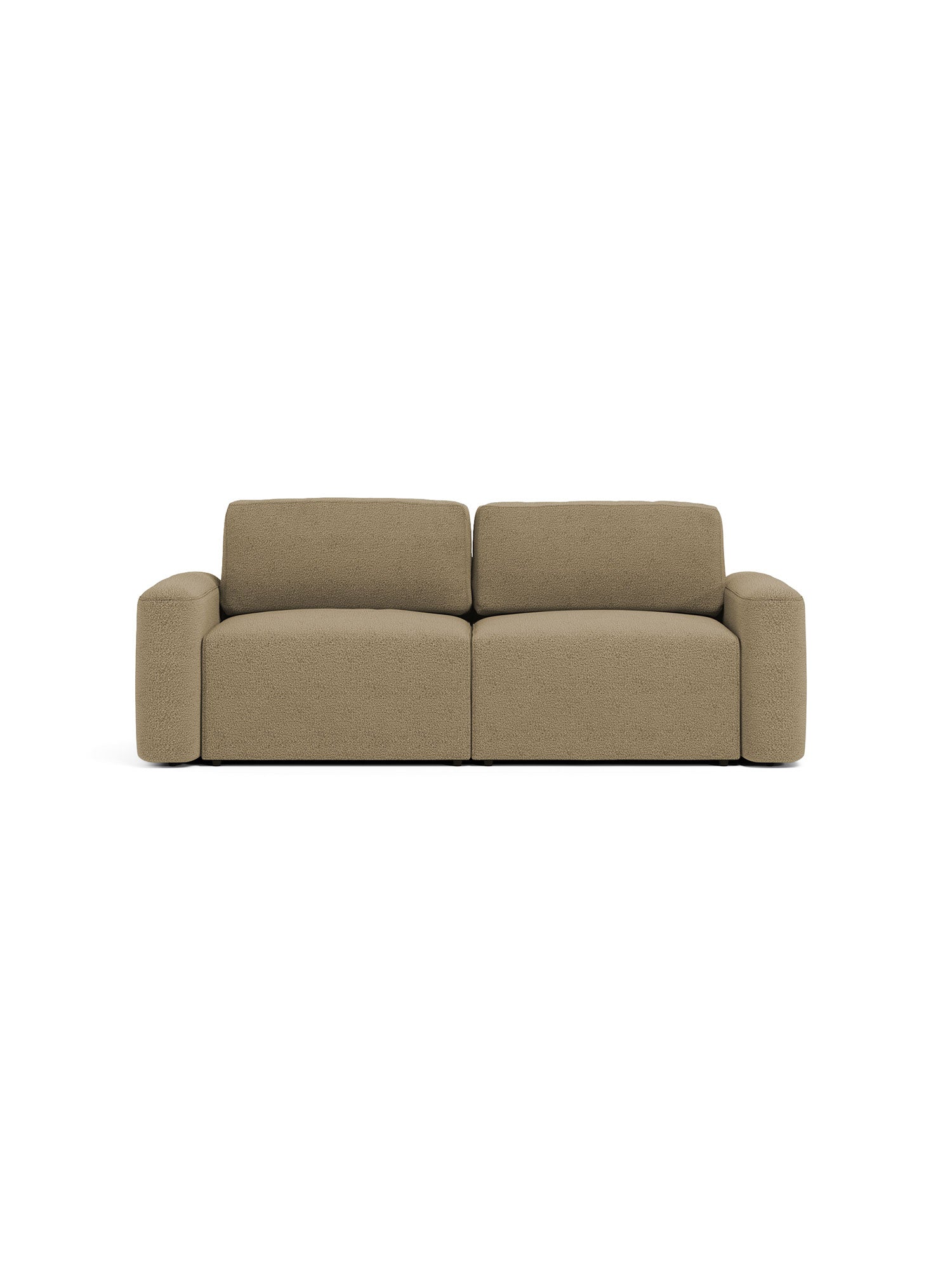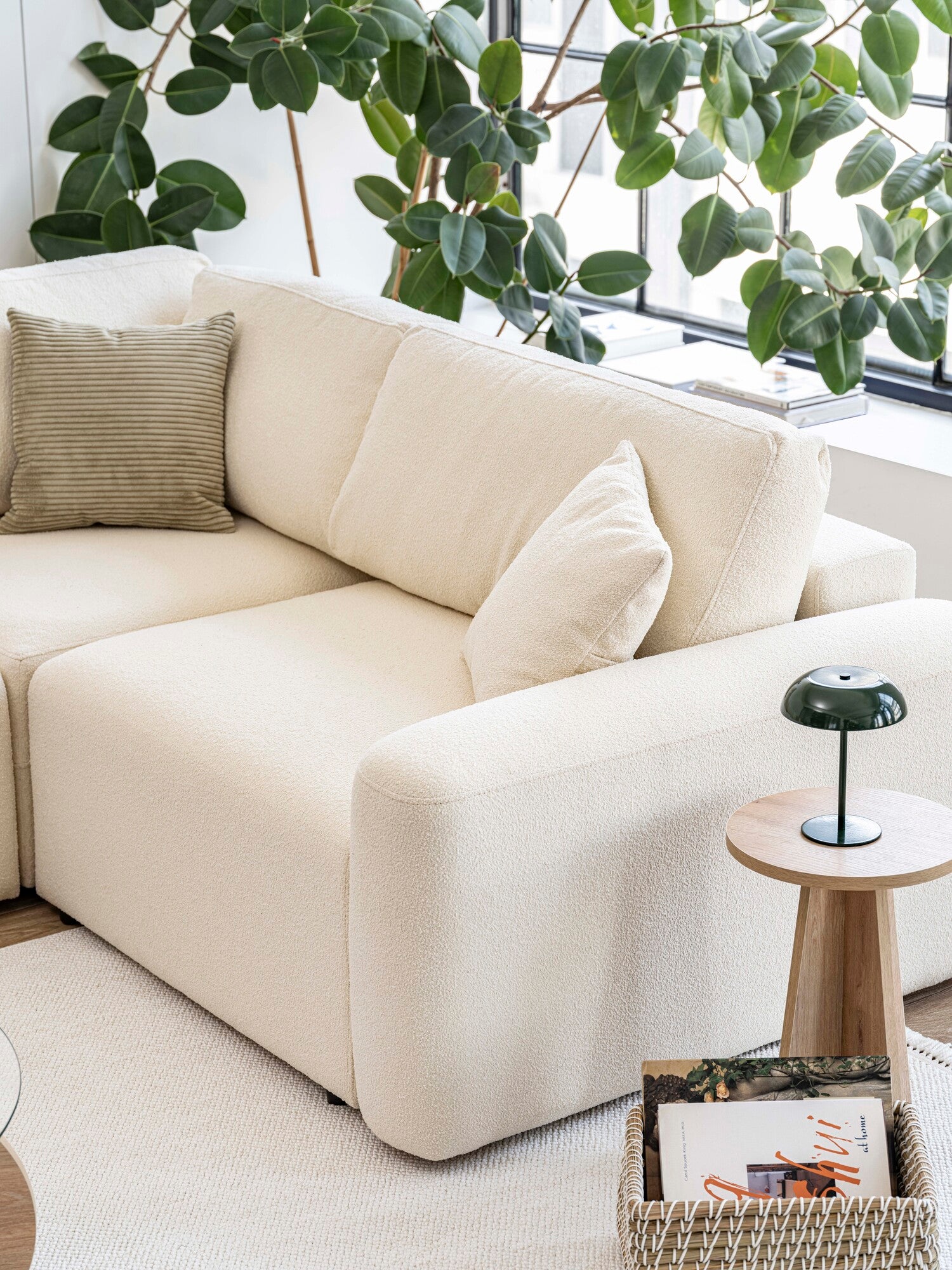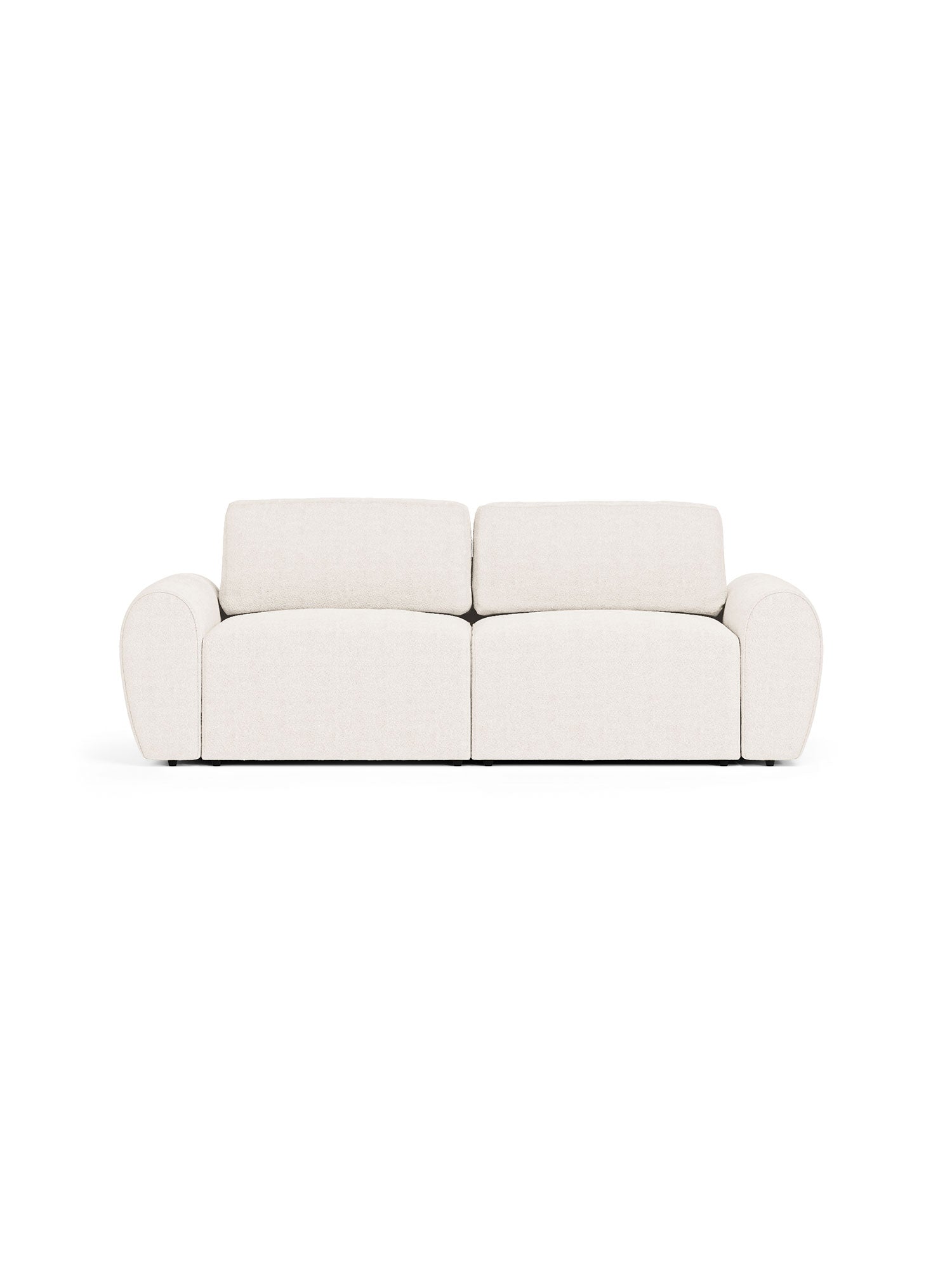

Canadian living spaces are getting smaller, but our lives are getting bigger. We move more often, host more guests, work from home, and still need a place that feels like ours. That's where modular furniture stops being a nice-to-have and starts being essential.
But here's the catch: not all modular furniture is actually modular. Some sofas call themselves "modular" just because they come in sections. Once you set them up, you're stuck with that shape unless you want to haul out the toolbox and spend an afternoon rearranging. True modularity is different. It adapts when your life does.
Why Modularity Matters More Than Ever
The way we live has changed. A sofa isn't just a place to sit anymore. It's where you work, where guests sleep, where movie nights happen, and where you need flexibility. Fixed furniture can't keep up with that.
Younger generations aren't buying furniture expecting it to last a lifetime in one spot. They're moving between cities, upsizing apartments, downsizing for affordability, or just rearranging because their needs shifted. Modular furniture moves with you. And when furniture adapts instead of becoming obsolete, it holds its value longer.
Premium brands are leading this shift. The focus has moved from one-time assembly to lifetime flexibility. European-crafted systems built with quality materials prove you don't have to sacrifice durability for adaptability.
True Modularity vs. "Modular" Marketing
Let's clear something up. A sectional that ships in pieces isn't automatically modular. If you need an Allen key to put it together, and another Allen key to take it apart, that’s closer to flat‑pack furniture with limited flexibility once it’s assembled.
True modular furniture comes apart and goes back together without tools. You can add pieces when you need more seating. You can rearrange the layout when you move or redecorate. You can transport it in a car trunk, not a moving truck.
Here's what separates real modularity from marketing speak:
- Configuration flexibility: Can you rearrange it whenever you want, or is it a one-time setup?
- Tool-free assembly: Does it snap together by hand, or do you need a screwdriver?
- Expandability: Can you buy more modules later and add them on?
- Transport ease: Will it fit in an elevator, or does it need professional movers?
- Frame quality: Is it built to last without awkward support legs in the middle?
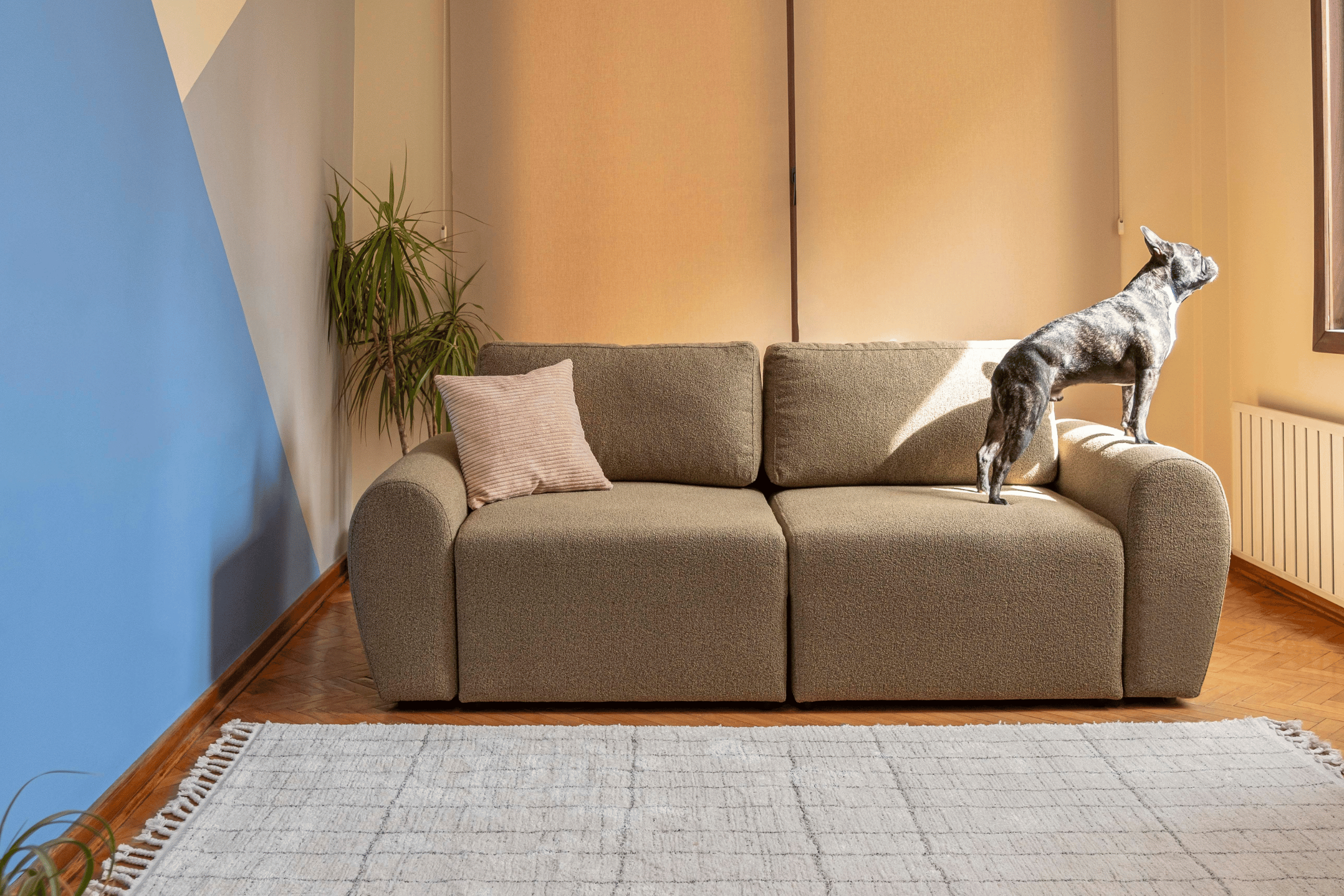
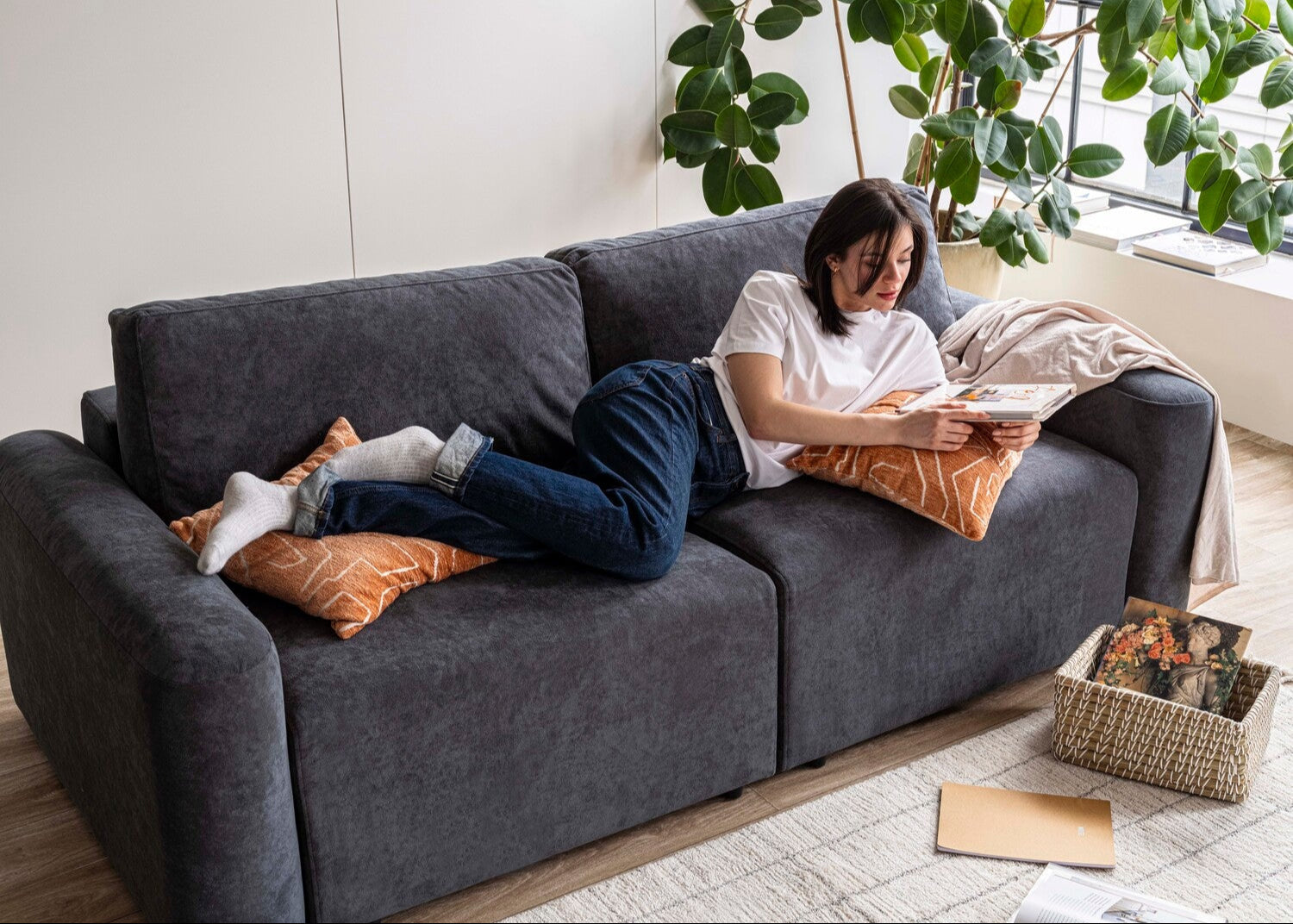
Soffie's modular sofas use tool-free assembly. Modules connect securely by hand, so you can reconfigure your sofa in minutes, not hours. The frame is engineered for durability, and you won't find a center support leg getting in the way of comfort.
Benefits for Small-Space and Urban Canadian Living
If you've ever tried to move a sofa into a Toronto condo, you know the struggle. Narrow hallways. Tight elevator doors. Corners that seem designed to make furniture delivery impossible.
Soffie modules are designed with typical Canadian elevator and hallway dimensions in mind, helping them get where they need to go with far less delivery drama.
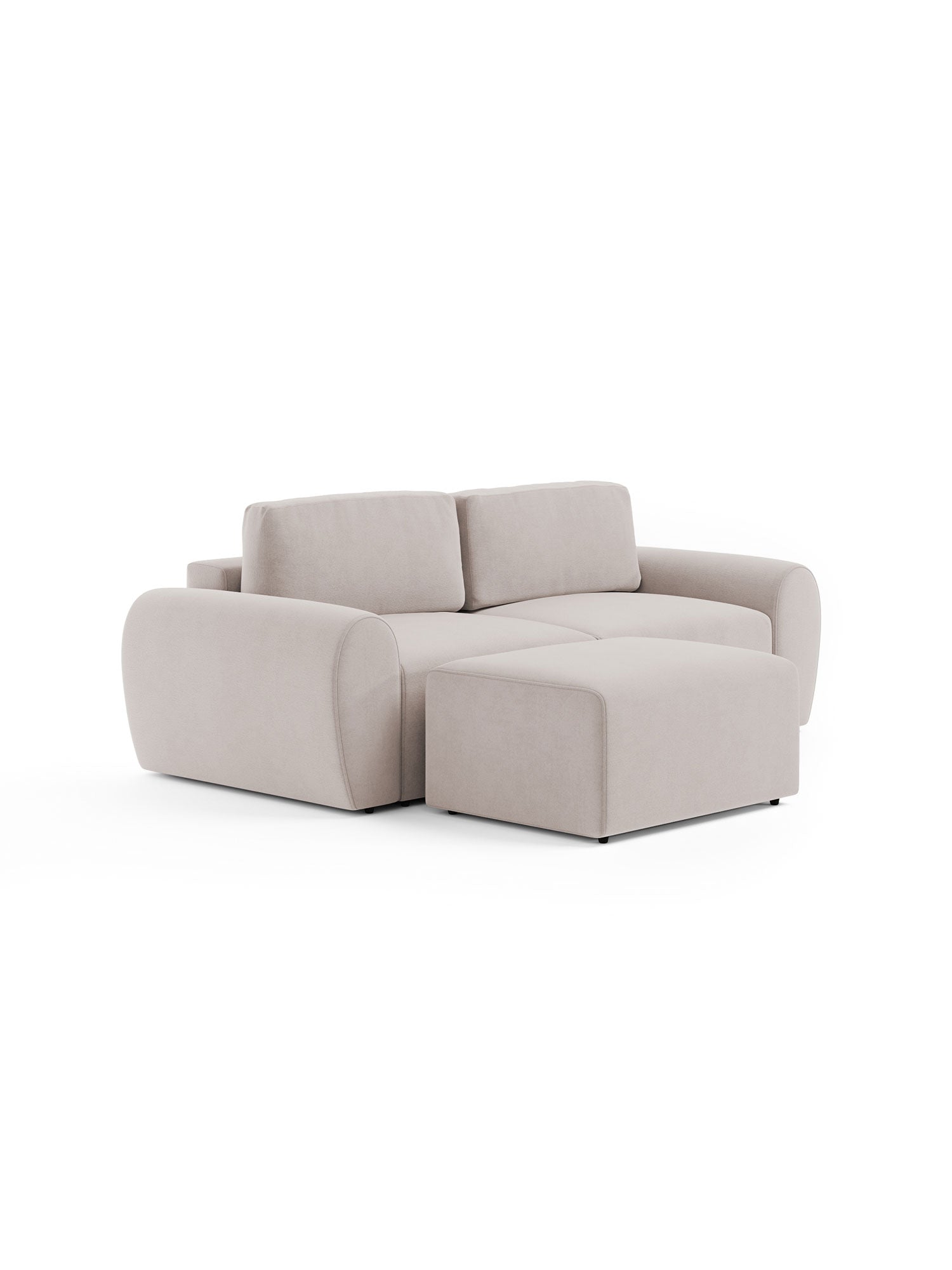
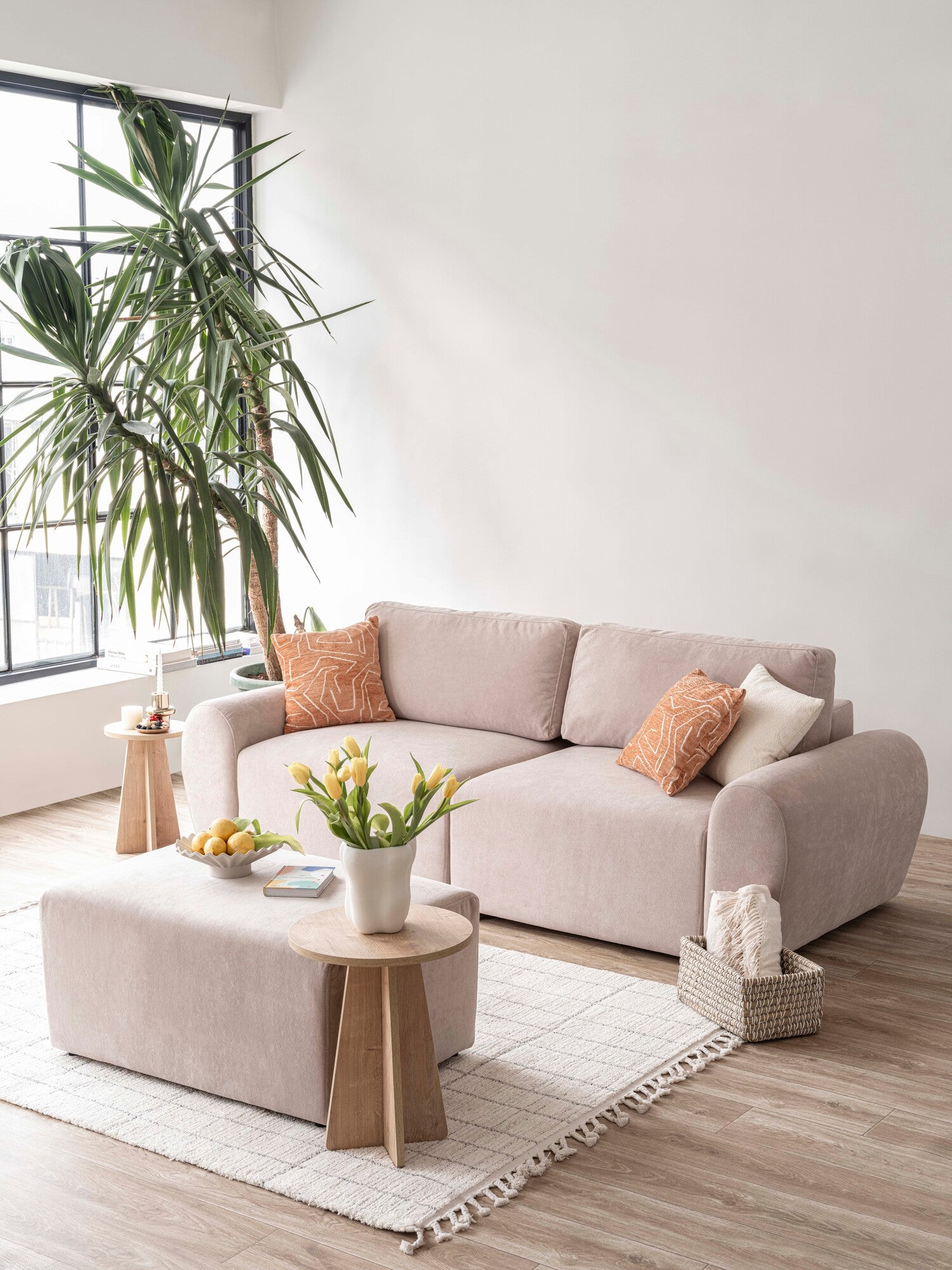
Once inside, modular furniture makes small spaces work harder. You're not stuck with a bulky L-shaped sectional taking up half your living room. You can start with a compact two-seater and add an ottoman when you need it. Later, if you move somewhere bigger, you add more modules instead of buying a whole new sofa.
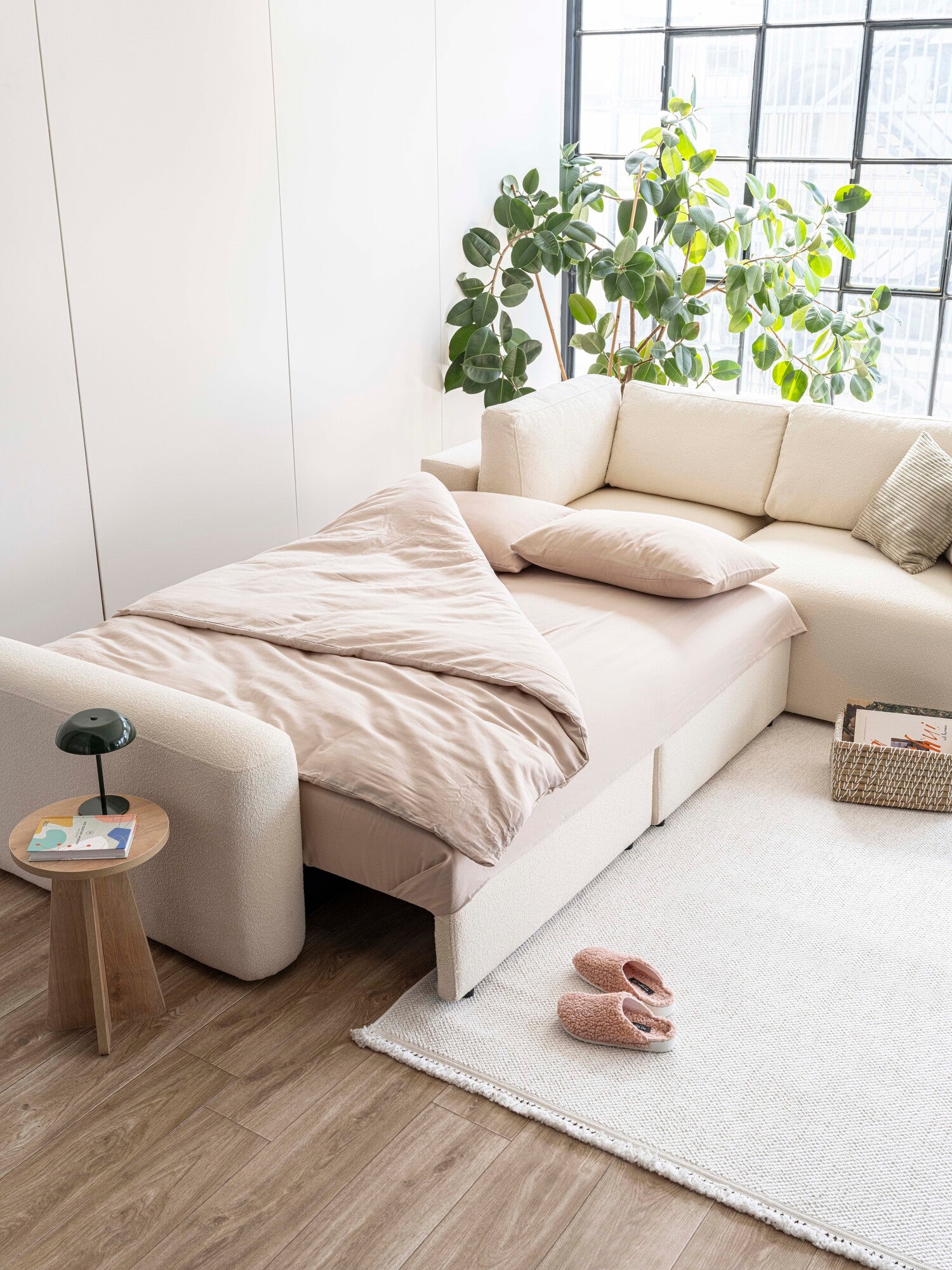
If you opt for a sofa bed model with storage, you get hidden compartments perfect for stashing blankets, books, or anything else you want out of sight. Ottoman modules can double as storage, too. In a 600-square-foot condo, every inch counts.
Outfitting a Small Toronto Condo
Let's say you're furnishing a 600-square-foot space. You need seating, but you also need flexibility. Guests crash on your couch sometimes. You work from home part of the week. Storage is tight.
Starting with a modular two-seater and an ottoman keeps the space open while giving you the essentials. If it converts to a bed, even better. When your budget allows, you add a corner module or another seat. The sofa grows with your needs instead of locking you into one configuration.
And because modular furniture from direct-to-consumer brands cuts out retail markups (around 30% savings compared to traditional retail), you're not overpaying. Plus, Soffie's 40-day trial means you can test it in your actual space before committing. Returns are free if it doesn't work out.
Sustainability and Longevity through Design for Disassembly
Furniture waste is a real problem. When a traditional sofa breaks or goes out of style, the whole thing ends up in a landfill. Modular furniture changes that equation.
If one module gets damaged, you replace that piece. You don't throw out the entire sofa. Covers are removable and washable, so spills and wear don't mean starting over. And if you want to refresh the look down the road, you can re-upholster individual sections or swap in new covers.
This is what the slow furniture movement is about. Buying once, buying well, and keeping things in use. Premium durability matters here. Soffie's 5-year warranty on frame and foam is more than double the industry standard of 2 years.
If something does go wrong, replacement parts are shipped quickly across Canada, so you are not waiting weeks for a repair. The 32 DNS high-density foam holds its shape over time, unlike the 25-28 DNS foam budget brands use. And the Oeko Tex certified fabrics are built to last without harsh chemicals.
How Soffie's Modular System Works
Soffie's modularity isn't complicated. Pieces connect with a tool-free mechanism. You line up the modules, they lock together, and you're done.
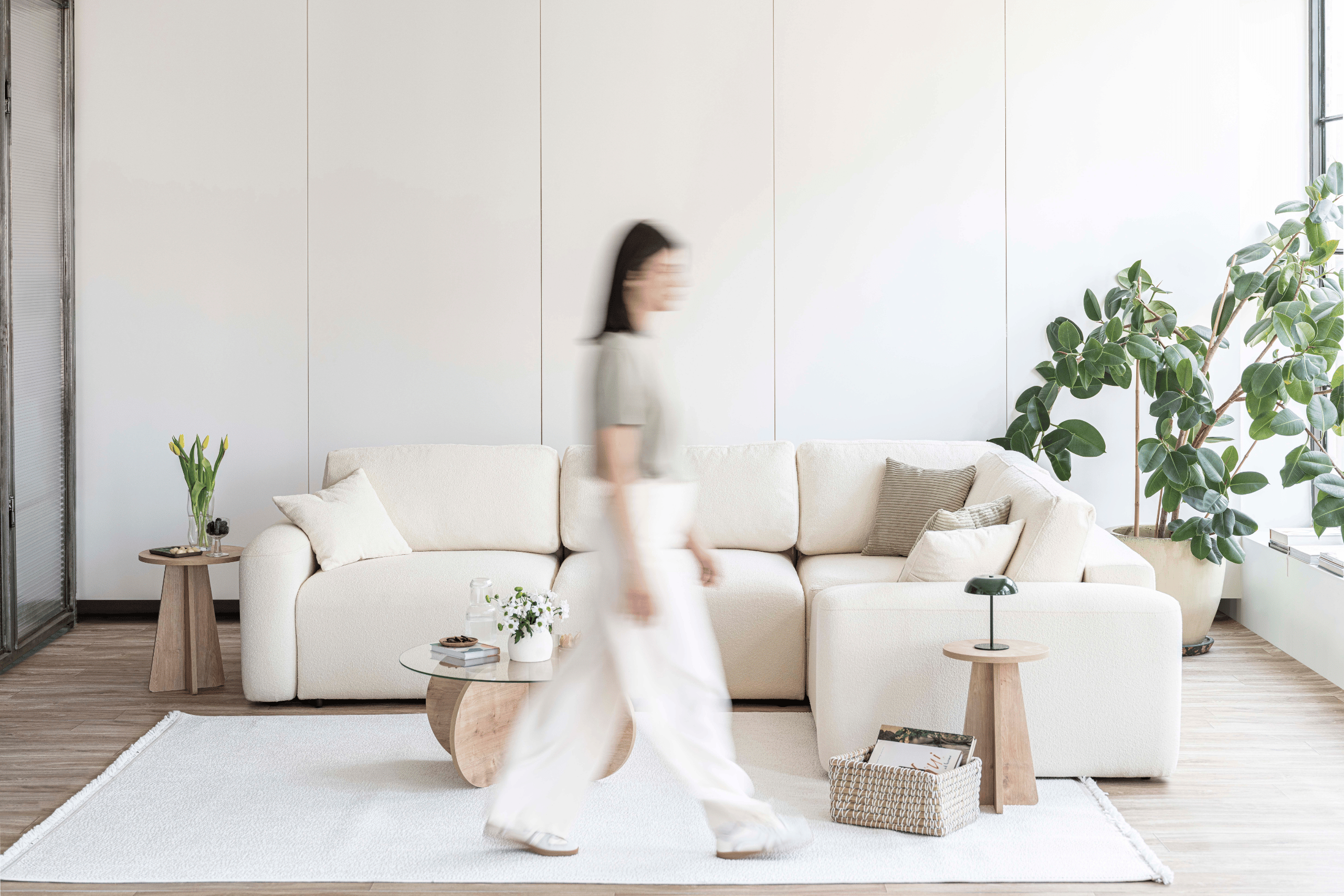
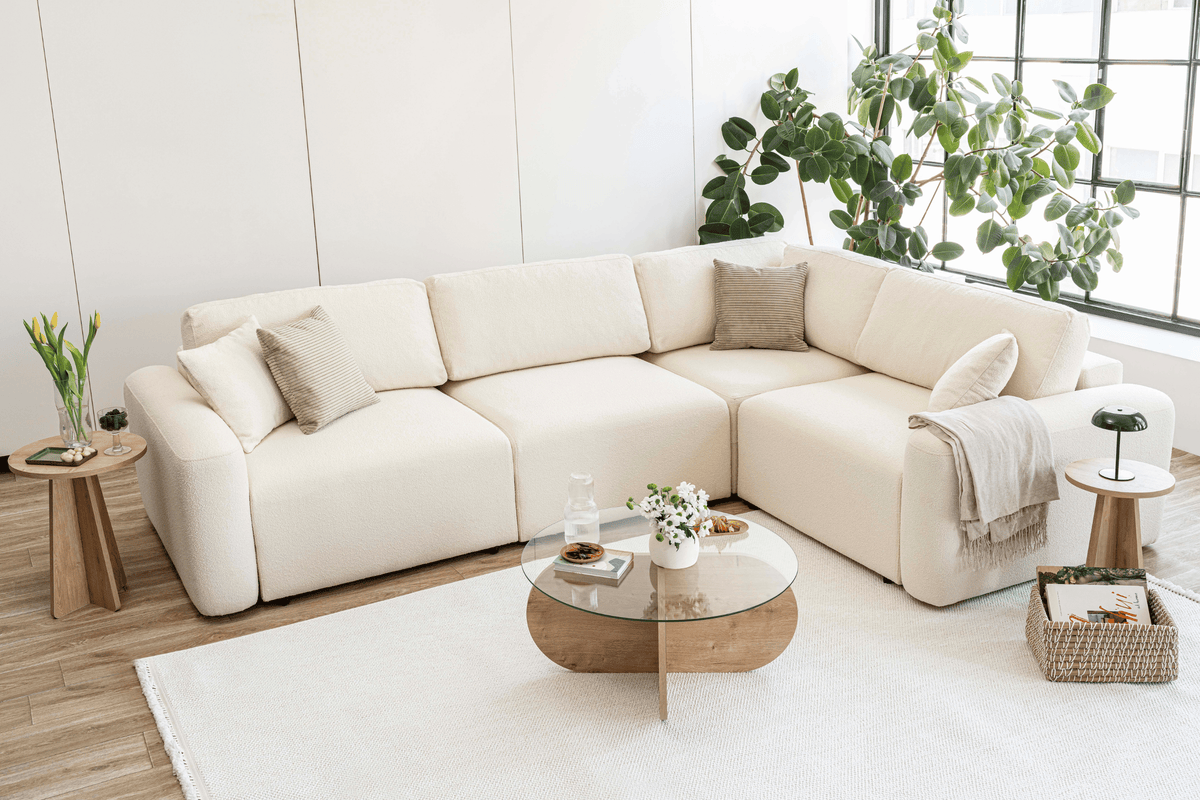
The variety of modules gives you flexibility. Seats, corners, ottomans, and chaises all work together. Want an L-shape? Done. Prefer a U-shape? Add a corner and another section. Need a sofa bed for guests? Select a sofa bed configuration and it converts in seconds.
The frame is built for durability without needing a center support leg. You get consistent comfort across every seat, and the structure stays strong for years.
Foam quality makes a difference. Soffie uses 32 DNS high-density foam, the same spec you'd find in premium brands that cost twice as much. It supports your weight without bottoming out, and it bounces back after years of use.
For sofa bed models with storage, durable mechanisms handle the conversion without wearing out. You're not dealing with flimsy hinges that break after a few months. And because the pieces are compact, they fit in car trunks for transport. No moving van required.
Covers are Oeko Tex certified, removable, and machine washable. Spill something? Take the cover off and wash it. Want to switch up your color scheme? Order a new cover instead of a new sofa.
Styling Tips and Real-Life Layout Examples
Modular furniture gives you options. Here are a few ways to make it work:
Studio apartment: Start with a two-seater and an ottoman. The ottoman works as extra seating, a footrest, or can include storage if you choose that option. If the sofa converts to a bed, you've got a guest room without needing a spare bedroom.
Young family: An L-shaped sectional with an ottoman handles movie nights, playtime, and surprise sleepovers. If you opt for storage features, you can hide toys. The modular setup means you can rearrange when the kids get older and your needs change.
Home office: Use a modular sectional to divide your living space. The sofa creates a boundary between your workspace and your relaxation zone without needing walls.
Frequent hosts: Start with a three-seater and add modules as your entertaining needs grow. More guests? More seating. Solo Netflix night? The configuration still works.
Mixing textures within a modular system keeps things visually interesting. Different fabric options can add depth without clashing. Just keep the tones complementary.
Dimension-wise, measure your space before ordering. In Canadian condos, a standard living room is around 12 by 14 feet. A modular L-shape sectional in that space works best if the long side is around 210 cm and the short side is around 150 cm. You want walking space around the sofa, not a furniture maze.
If you're unsure about fabrics or colors, order free swatches. Seeing and touching the material in your actual space makes a bigger difference than staring at a screen.
The Soffie Difference: Premium Materials at Accessible Prices
Most furniture brands spend 25% of a product's price on raw materials. Soffie spends 40%. That means more of your money goes into the frame, the high-density foam, and the Oeko Tex certified fabric. Less goes to middlemen, retail rent, and dealer commissions.
European craftsmanship standards mean consistent quality, not shortcuts to hit a price point. Customer feedback backs this up, with consistently high ratings and strong post‑purchase support that reflects real confidence in the product. That's not just good service, it's confidence in the product.
FAQs
What makes Soffie's modular sofas different from regular sectionals?
Soffie's modular sofas feature tool-free assembly and reconfiguration, durable frames designed without center support legs, and modules specifically sized to fit Canadian elevators. Unlike basic sectionals that are fixed once assembled, Soffie modules can be rearranged, expanded, and moved without tools or damage.
Will Soffie furniture fit in my condo elevator?
Yes. Soffie modules are specifically designed to fit standard Canadian elevator dimensions. Each piece can be transported individually and assembled in-room using the tool-free connection system, eliminating the delivery nightmares common with traditional furniture.
How long will a Soffie modular sofa last?
Soffie sofas come with a 5-year warranty on frame and foam, more than double the industry standard of 2 years. They use 32 DNS high-density foam that maintains comfort over time and feature durable frames built for lasting use. If any module needs replacement, parts are available in 2 days in Toronto and within 15 days across Canada.