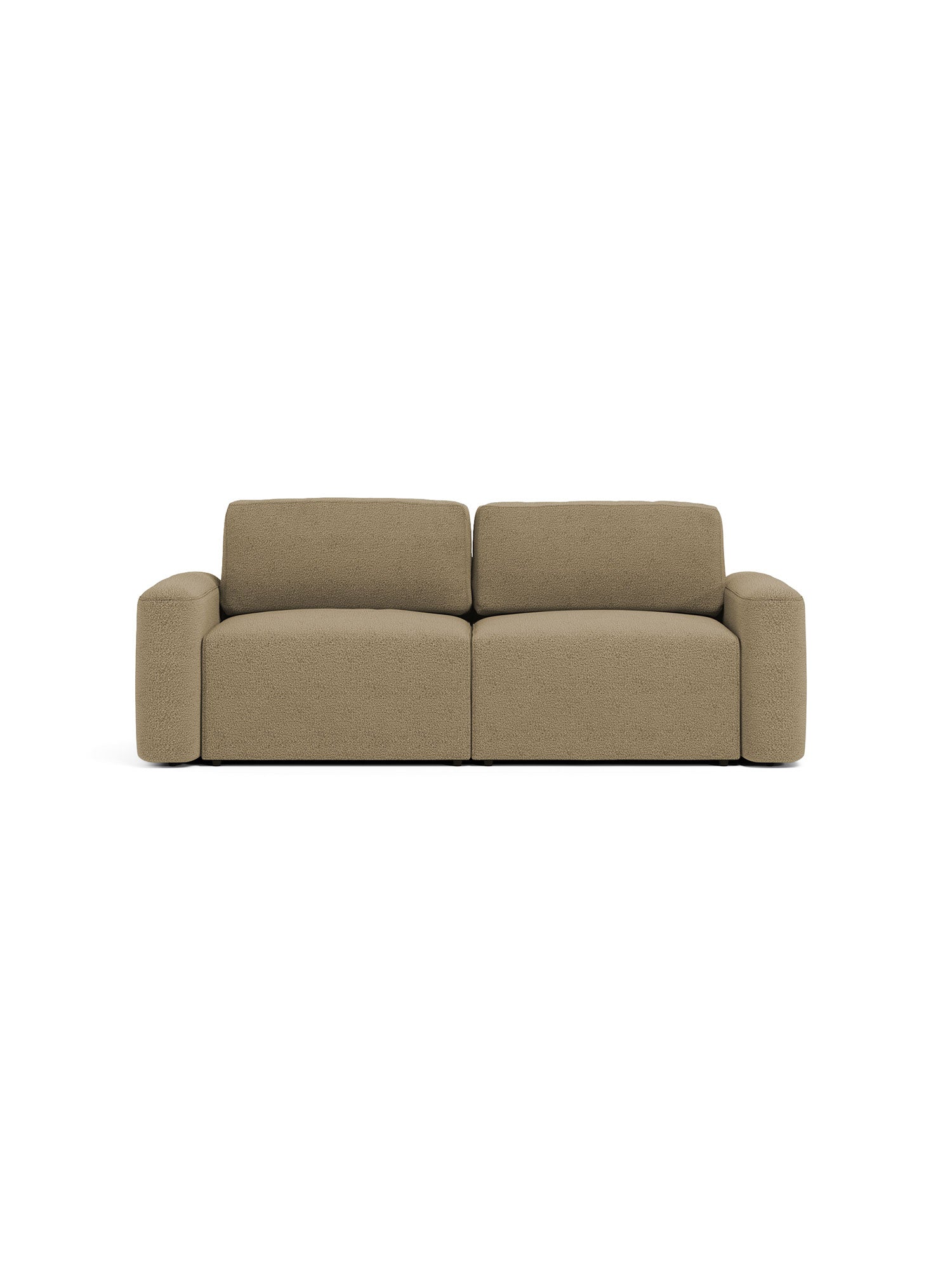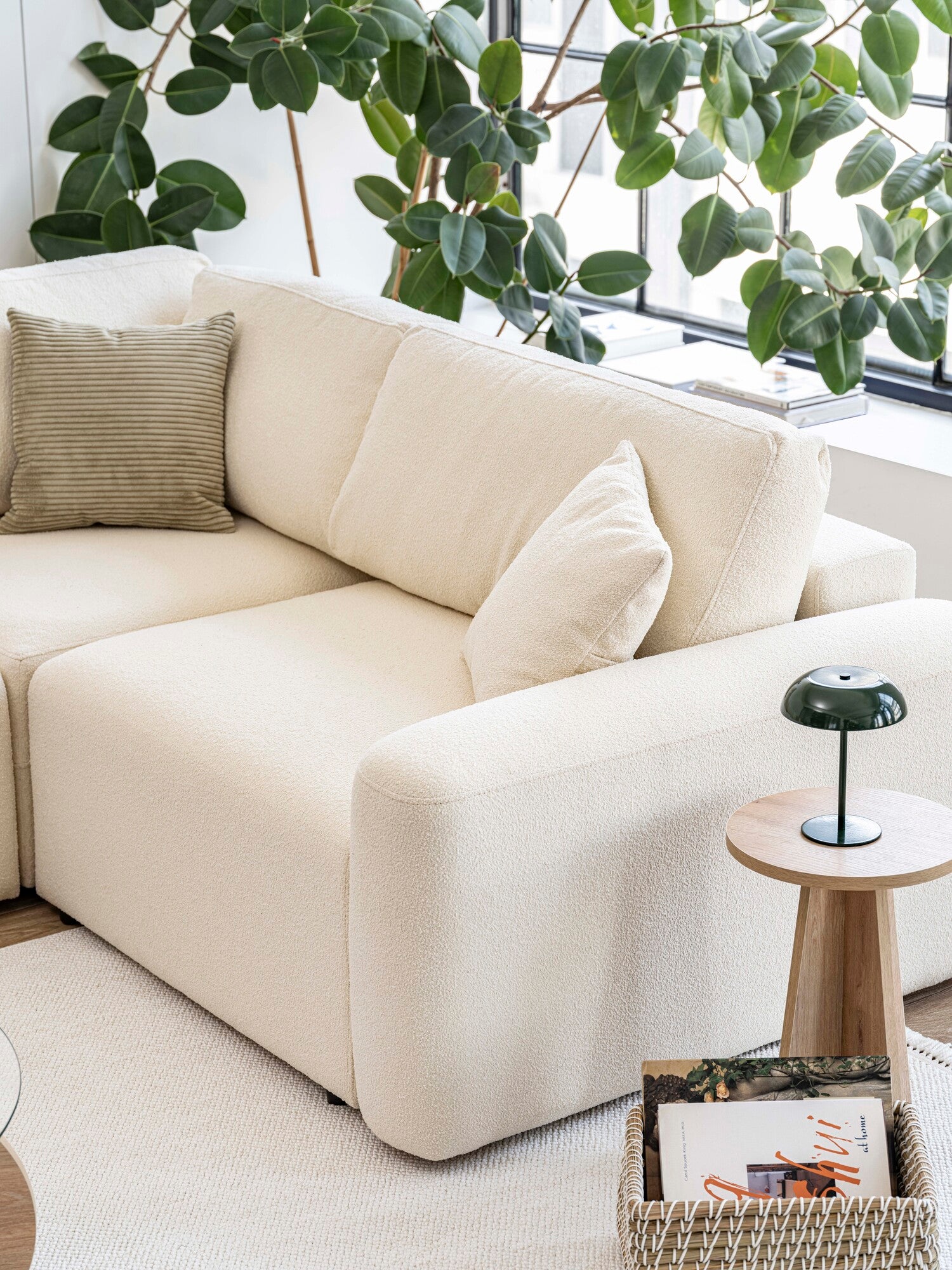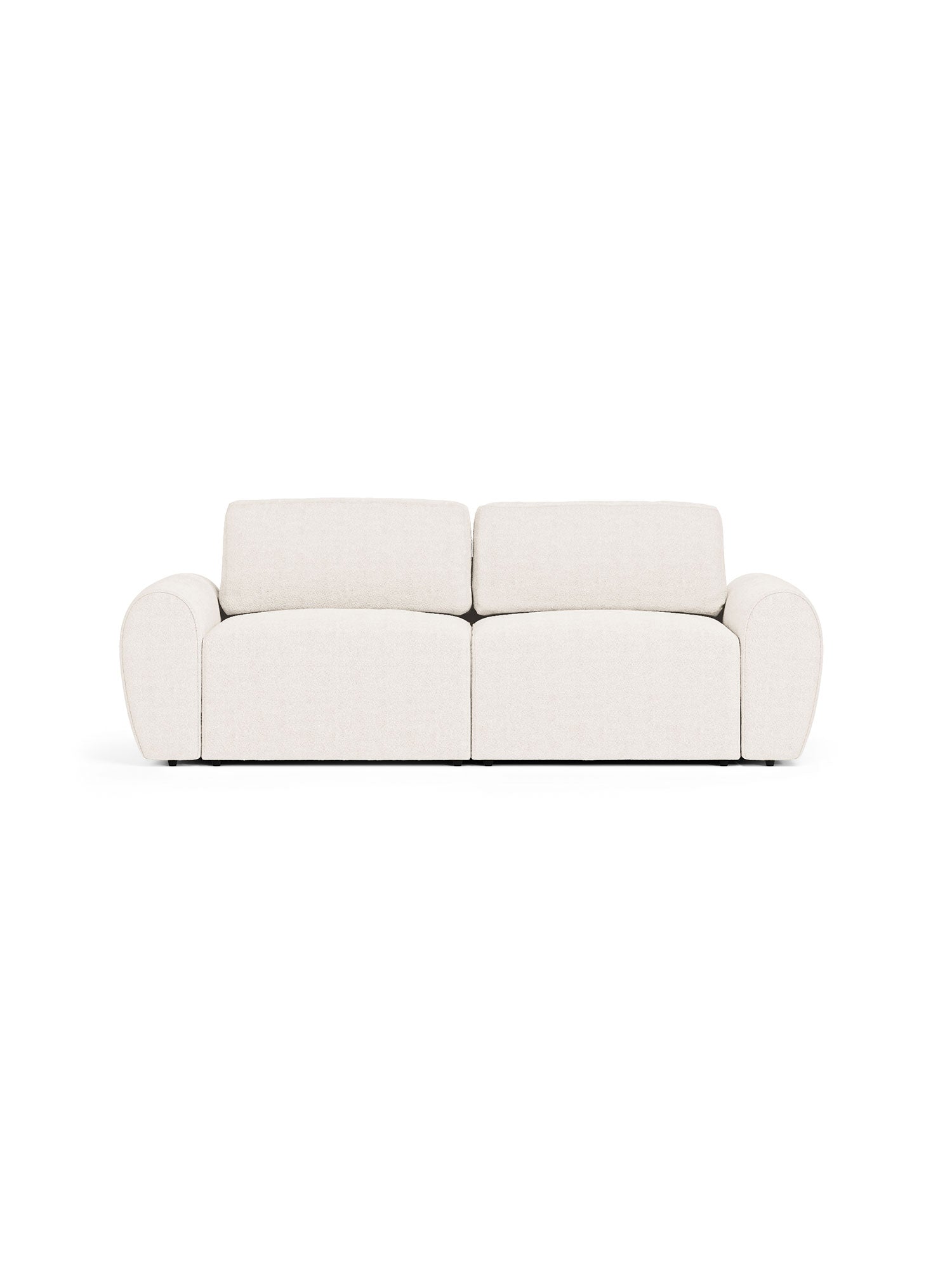
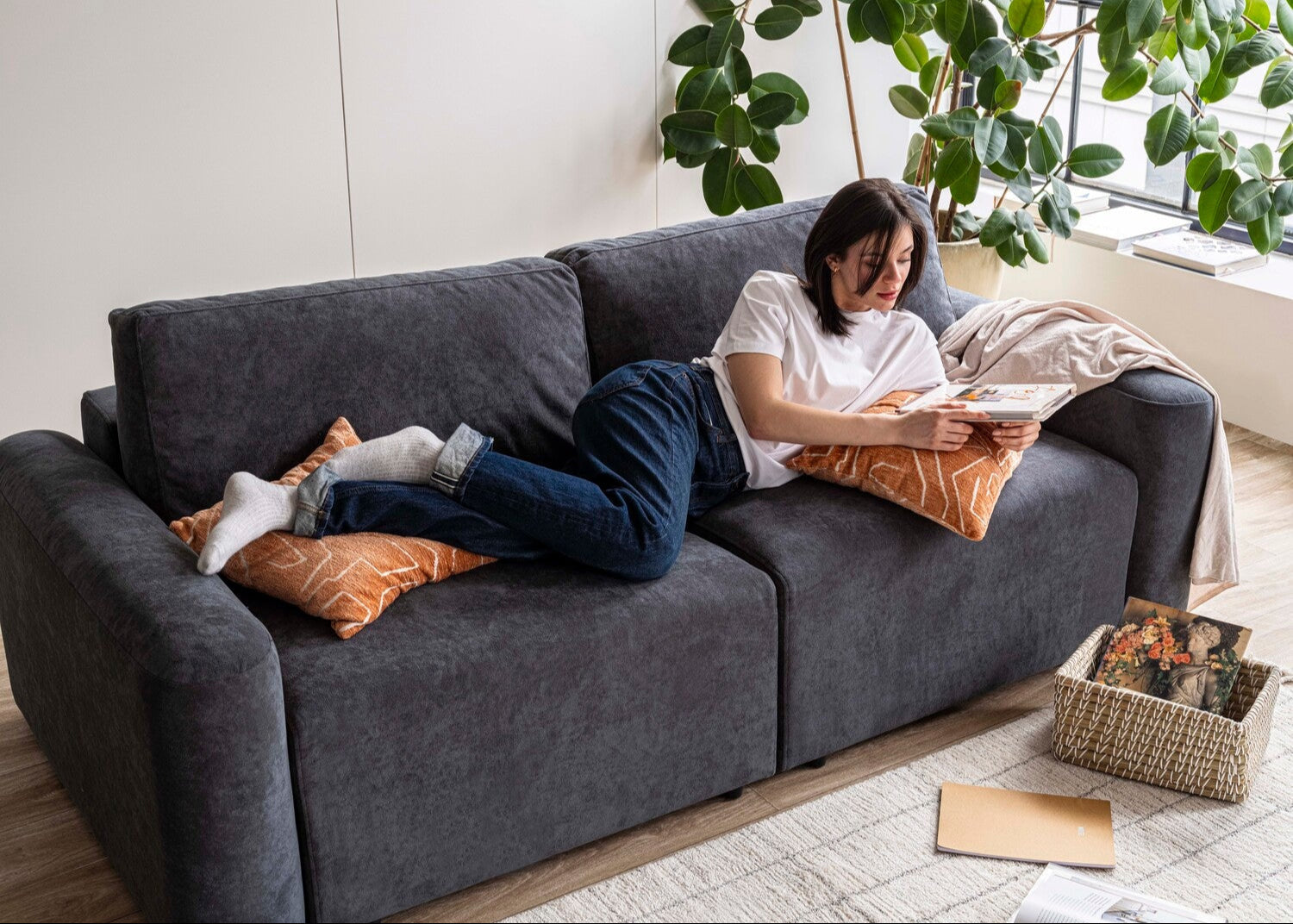

Finding furniture that actually fits, and works, in a small apartment or condo isn't simple. You're balancing dimensions, circulation, storage, and the very real need to keep your space from feeling cramped. A sectional sofa for a small space can solve a lot of those problems, but only if you choose carefully.
The right sectional doesn't just save square footage. It defines your living area, offers flexible seating, and, when done well, makes a compact room feel more intentional instead of more crowded. Here's what to look for.
Understanding Small-Space Sectionals
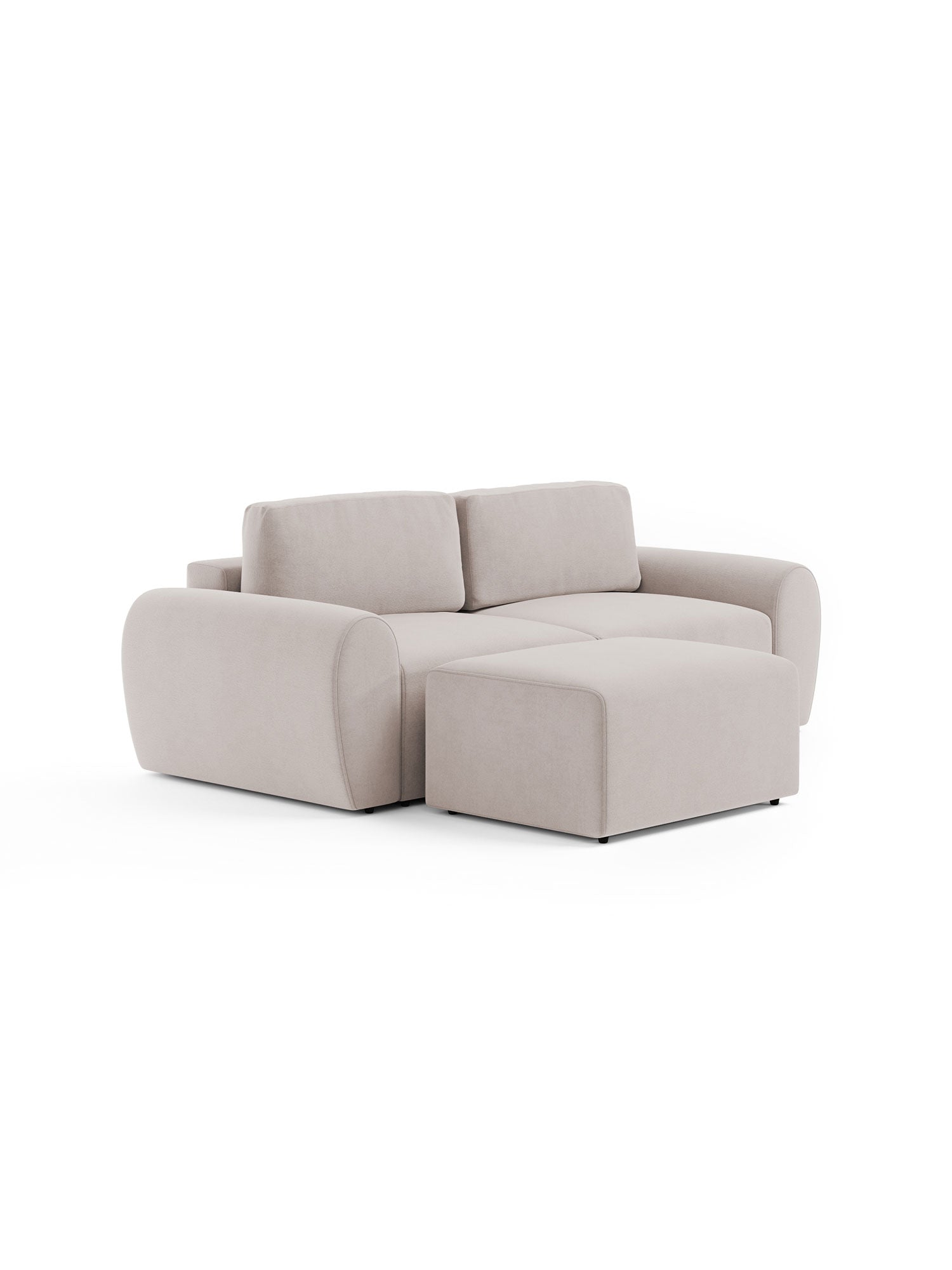
Not every sectional belongs in a tight space. The best ones are built with modularity in mind, allowing you to configure (and reconfigure) the layout as your needs shift. A small space modular sofa might start as an L-shape in your current apartment and transform into a different arrangement when you move.
What Defines a Small-Space Sectional?
Typically, we're talking about sectionals under 90 inches long. Depth matters too, pieces that sit around 32 to 36 inches deep feel substantial without eating up your entire floor plan. Look for clean lines, slim legs, and proportions that don't overwhelm the sightlines in your room.
Modular construction is the key differentiator. Instead of one fixed piece, you get individual sections that connect. That flexibility matters more in small spaces than anywhere else.
L-Shaped vs. U-Shaped vs. Chaise Sectionals
An l shaped sectional sofa is probably your best bet for tight quarters. It tucks into a corner, maximizes seating, and leaves the center of the room open. U-shaped sectionals are harder to pull off unless you've got an open-concept layout with real square footage to spare.
Chaise sectionals work if the chaise is shallow and doesn't block circulation. Some designs let you move the chaise from one side to the other, which helps when you're rearranging or moving to a new place.
Key Considerations Before Buying
Measure twice, order once. Seriously, small-space furniture mistakes are expensive and frustrating.
Measuring Your Living Area
Start by mapping your room. Measure wall-to-wall, then account for doorways, windows, radiators, and any architectural quirks. Leave at least 18 inches of clearance around the sofa for comfortable movement. If your space is really tight, 12 inches can work, but you'll feel it.
Bring painter's tape and outline where the sectional will sit. Live with that outline for a day or two. Walk around it. Sit near it. You'll know pretty quickly if the proportions feel right.
Configuration Flexibility
Modular sectionals let you start small and expand later. Buy a two-piece setup now, add an ottoman or another seat down the road. Some brands, like Soffie, design their pieces to stay relevant for years, with durability guarantees that back up the investment.
Rearranging modular sections also means you're not locked into one layout. If you move, or your room changes purpose, the sofa adapts.
Storage and Sleeper Options
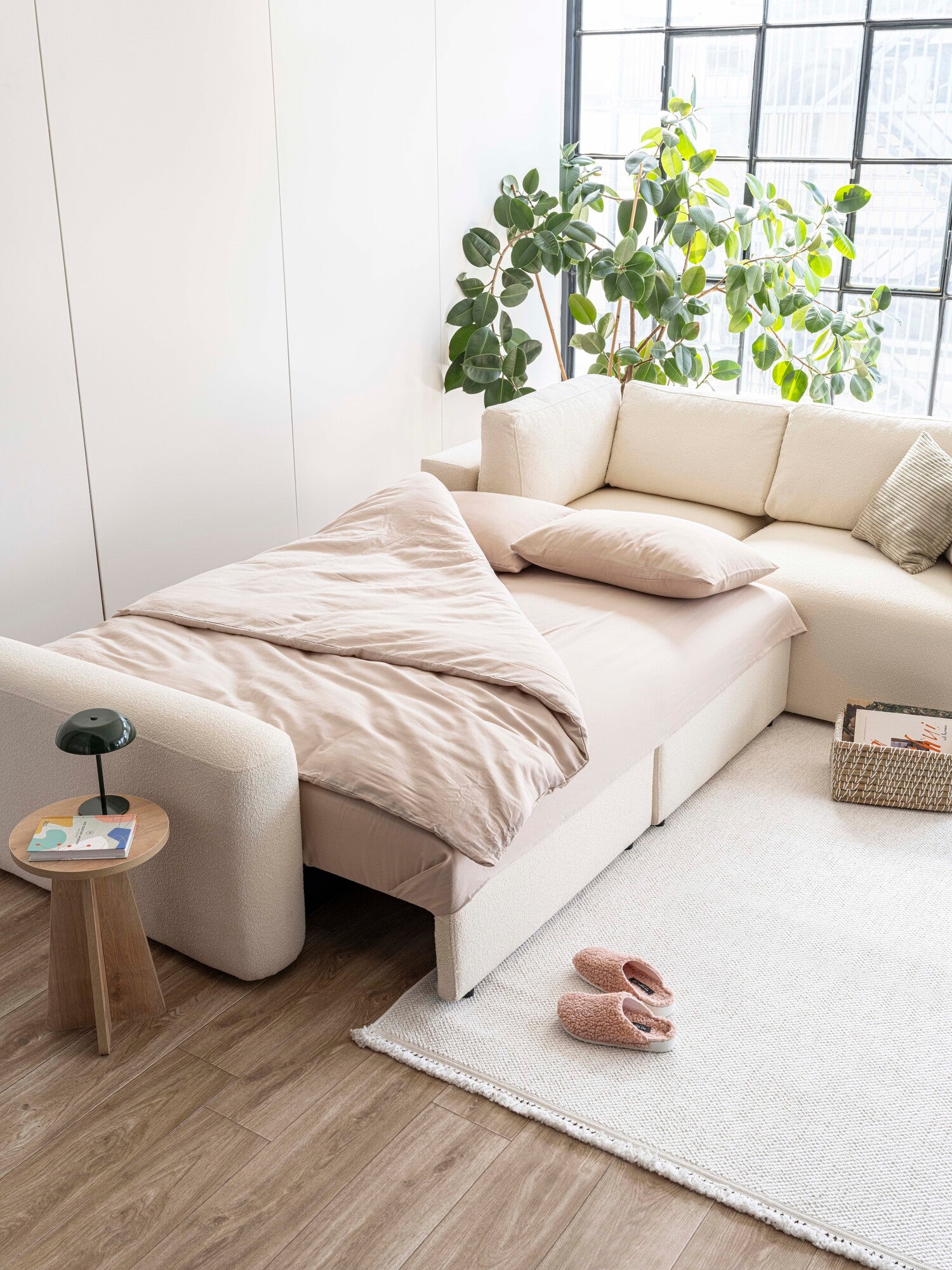
Storage ottomans or chaises with hidden compartments are lifesavers in small spaces. Tuck away throw blankets, extra pillows, or anything else that tends to pile up. Some sectionals convert into sleeper sofas, which matters if you host guests but don't have a spare bedroom.
Styling and Material Choices
Fabric and color affect how spacious a room feels. Get this part wrong and even a well-sized sectional can make your space feel smaller.
Upholstery Options
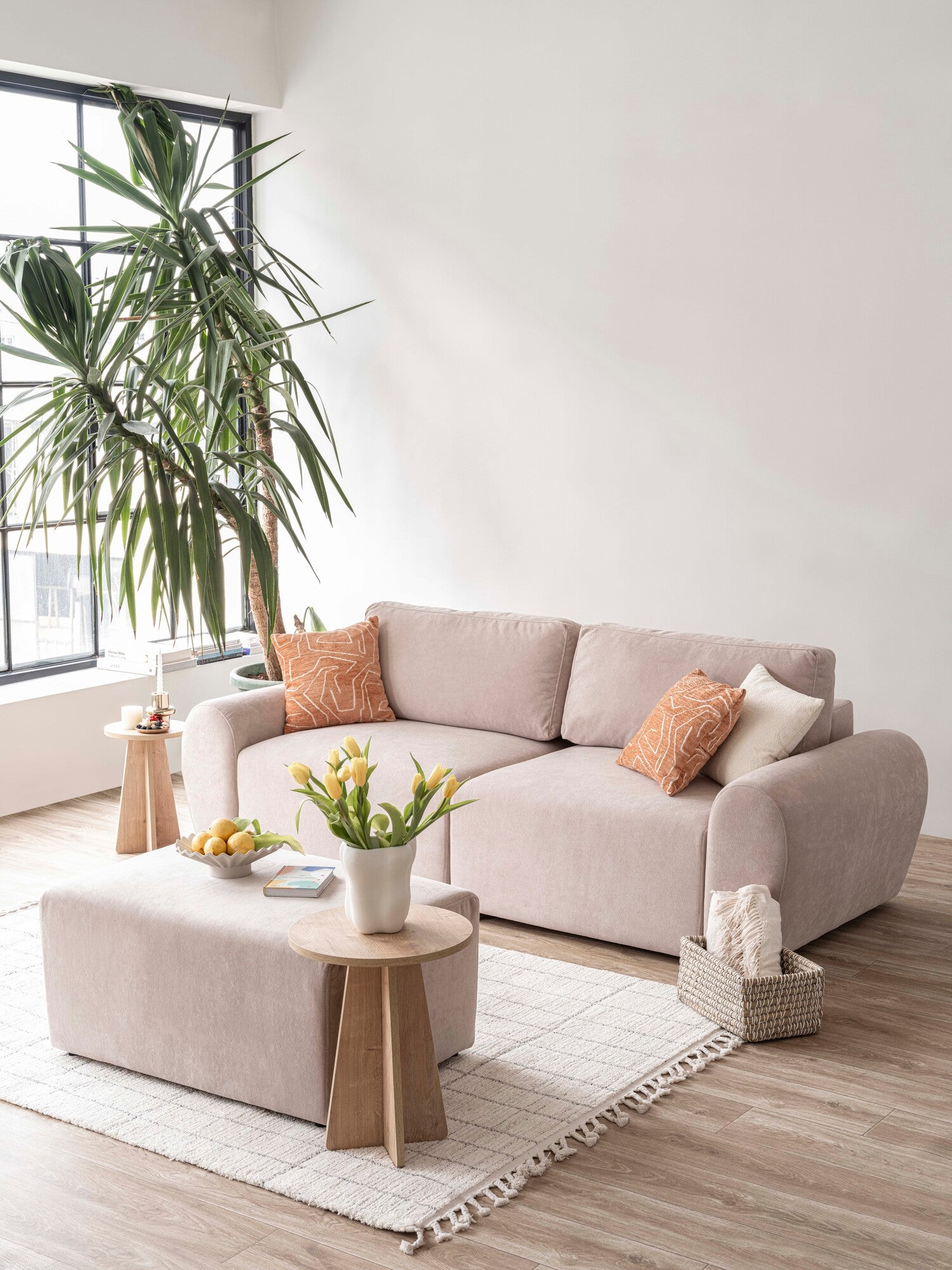
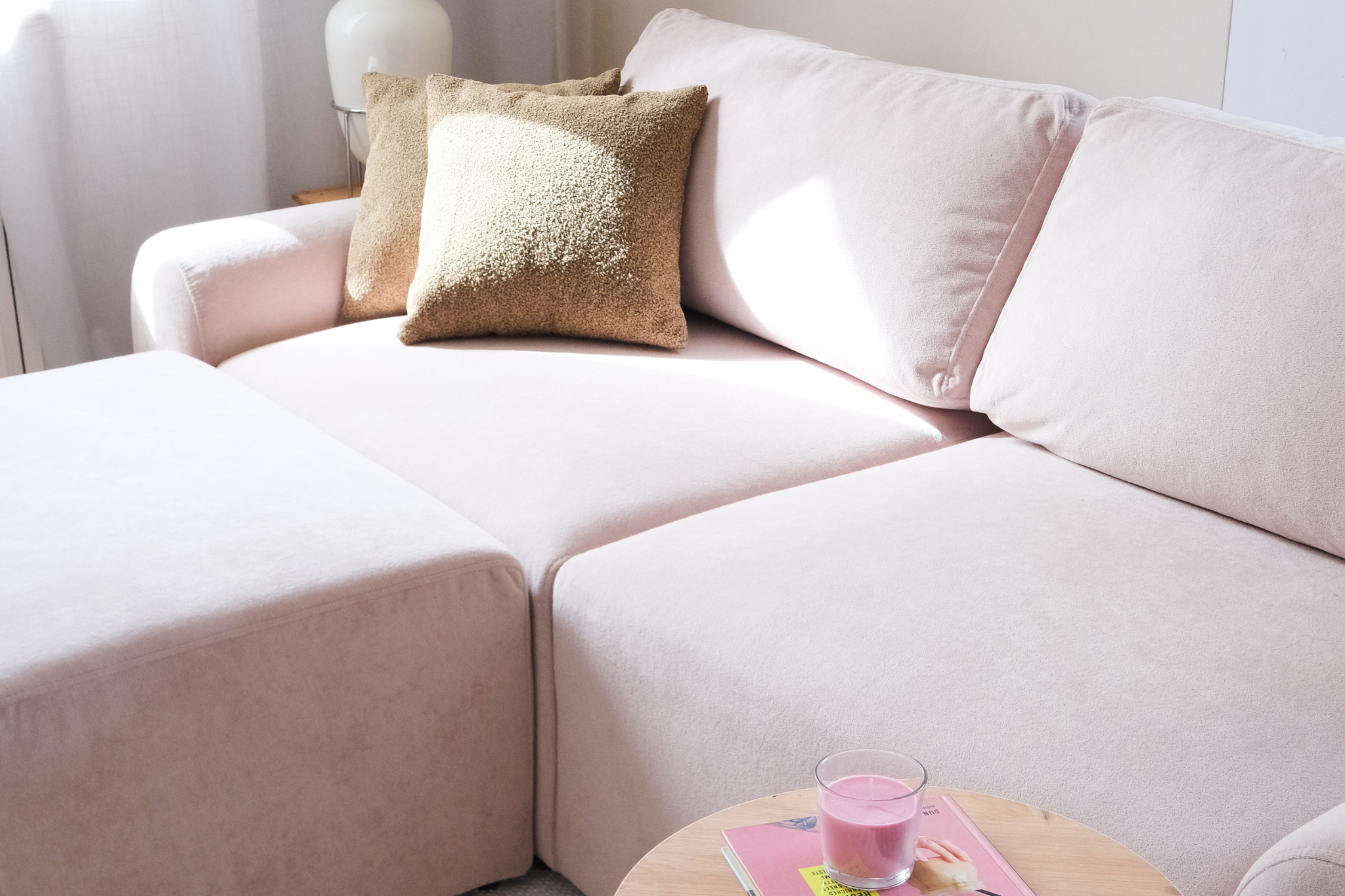
Lighter upholstery, soft greys, warm taupes, muted beiges, reflects light and keeps rooms feeling open. Darker tones can work if your space gets a lot of natural light, but they absorb rather than reflect.
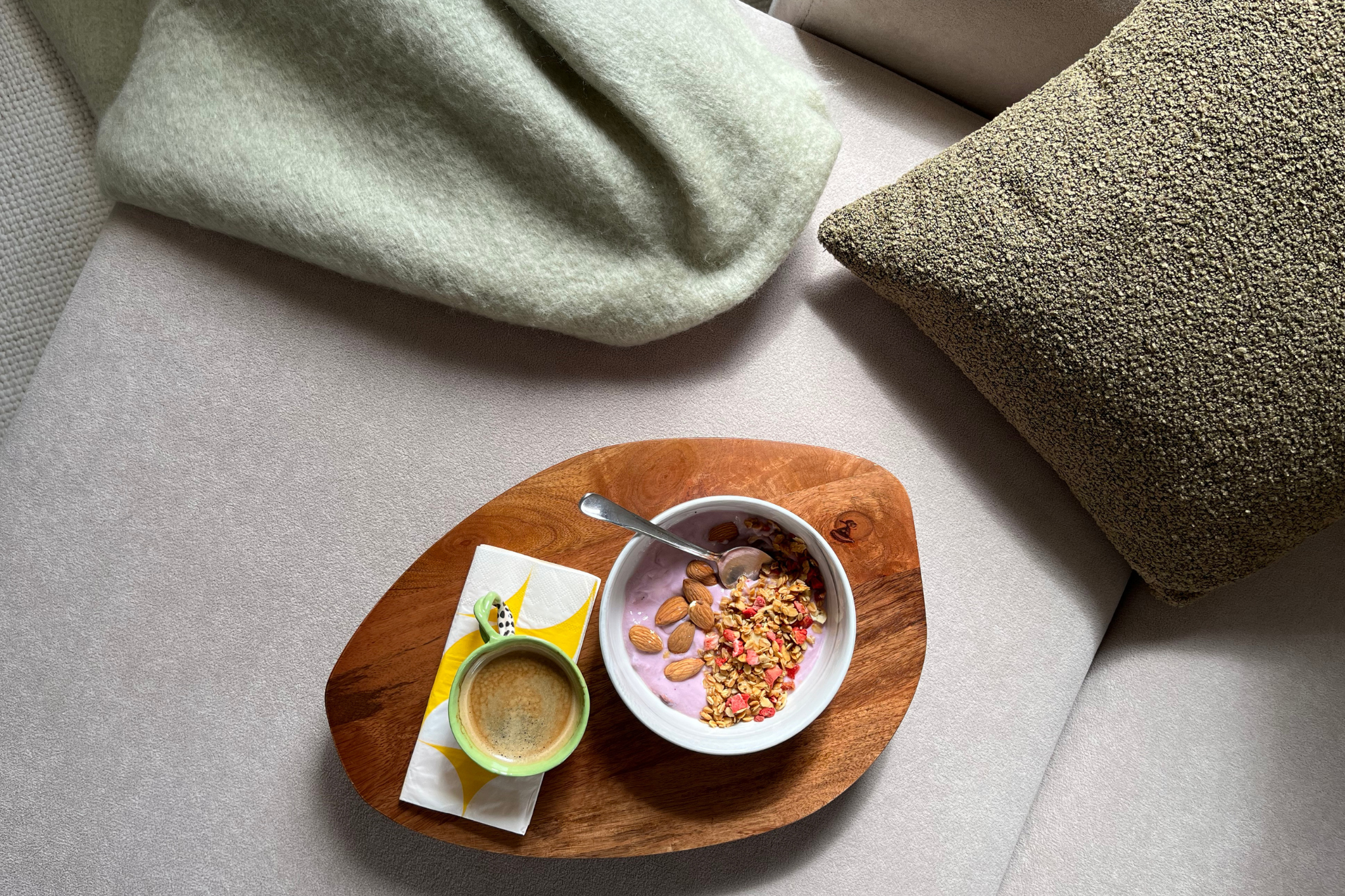
Soffie's fabric range includes Ultimate Velvet, Bouclé Texture, and Courdroy, each with different textures and durability profiles. Velvet's plush and rich; bouclé adds subtle texture without visual noise; corduroy brings warmth. All three are chosen for their ability to hold up through Canadian winters when your sofa becomes the center of daily life.
Incorporating Small-Space Living Insights
Slim legs elevate the sofa off the floor, creating visual breathing room underneath. Bulky skirted bases do the opposite, they make furniture look heavier and rooms feel more closed in.
Keep the color palette cohesive. If your sectional, rug, and walls share a similar tonal range, the space reads as larger. Contrast is great for accents, but use it sparingly in tight quarters.
Modular Design Meets Canadian Reality
Soffie's modular sectionals are designed specifically for Canadian homes, compact condos, urban apartments, and smaller spaces where every inch matters. The pieces are crafted in Europe to exacting quality standards, then shipped in manageable boxes so you're not wrestling a massive sofa up three flights of stairs.
The design process accounts for how Canadians actually live. Long winters mean your sofa sees heavy use. You're not just sitting on it, you're working, hosting, and living on it. The upholstery and construction reflect that reality.
Sustainability & Craftsmanship
Good furniture shouldn't need replacing every few years. Soffie's sectionals are made in Europe using responsibly sourced materials and non-toxic finishes. The goal is longevity, structurally and stylistically. Modular pieces that last reduce waste and give you flexibility as your life changes.
Furnishing a small space well takes planning, but a smart sectional makes it easier. Focus on modularity, measure carefully, and choose materials that suit how you actually live. The right piece won't just fit, it'll make your space work better.
Ready to find the sectional that fits your space? Visit our modular sectionals collection to explore configurations built for compact Canadian homes. Each piece is designed to adapt as your needs change, with fabric options and sizing details available on every product page.
If you're still deciding on upholstery, order free fabric swatches to see how the textures and colors work in your actual space before committing.
Frequently Asked Questions
What size sectional works best in a studio apartment?
Look for two- or three-piece sectionals that stay under 90 inches in total length. Modular chaises can double as ottomans, giving you flexibility without eating up floor space. Measure your room first and leave at least 12-18 inches of clearance on all sides for movement.
Can I customise the configuration of my sectional later?
Yes, if it's modular. That's the whole point, you can add pieces, swap them around, or remove sections as your needs change. Whether you're moving to a bigger place or just rearranging, modular sectionals adapt instead of forcing you into one layout forever.
Do small-space sectionals offer hidden storage?
Many do. Look for chaise sections with lift-up tops or ottomans with interior compartments. It's an easy way to store blankets, pillows, or anything else that tends to clutter up a small living room. Not every model includes storage, so check the specs before you buy.