Luxury used to mean logos and price tags. Now it means something different. It's about materials you can trust, craftsmanship that lasts, and knowing exactly where your furniture comes from. The shift isn't subtle anymore. Consumers are reading labels, asking questions, and walking away from brands that can't answer them.
Sustainability isn't a trend you can wait out. It's the baseline. And eco-luxe is what happens when premium quality meets environmental responsibility without compromise.
Why Eco-Luxe Is the New Standard in 2026
Gen Z and millennials aren't just asking for sustainable options. They're demanding them. And they're not settling for vague promises. They want certifications, transparency, and proof that a brand's values match their marketing.
The definition of luxury has shifted. It's no longer just about how expensive something is. It's about how it's made, who made it, and how long it'll last. Craftsmanship and ethics now outweigh brand prestige. A premium sofa that falls apart in three years isn't luxury. It's waste.
Certifications matter more than ever. Third-party verifications aren't nice-to-haves anymore. They're deal-breakers. Parents especially care about this. Non-toxic materials, no off-gassing, no chemical exposure. When your kids are climbing on the furniture, you want to know what's in it.
Regulatory standards are tightening, too. What was acceptable five years ago doesn't fly now. Premium brands that invest 40% of their product cost into raw materials aren't doing it to be trendy. They're doing it because quality and sustainability cost money, and they're willing to pay it. Compare that to the industry standard of 25%, and you see where the shortcuts happen.
The Slow Furniture Movement: What It Means and Why It Matters
Slow furniture is the opposite of fast fashion for your home. It's about buying once, buying well, and keeping it. Craftsmanship. Durability. Repairability. Ethical production. These aren't buzzwords. They're the pillars of furniture that lasts.
Fast furniture is built to fail. Planned obsolescence isn't a conspiracy theory. It's a business model. Cheap materials, weak joints, foam that collapses in a year. You buy it, it breaks, you replace it. Repeat. The environmental cost is staggering. The financial cost adds up faster than you think.
Lifecycle thinking changes the equation. The true cost of furniture includes what happens after you're done with it. Can it be repaired? Can parts be replaced? Or does the whole thing go to a landfill?
Warranty length tells you everything. A 5-year warranty says a brand believes in its product. A 2-year warranty (or none at all) says they know it won't last but they're selling it anyway. Furniture waste is a real problem. Cheap sofas barely make it to three years. Quality pieces last a decade or more. That difference matters.
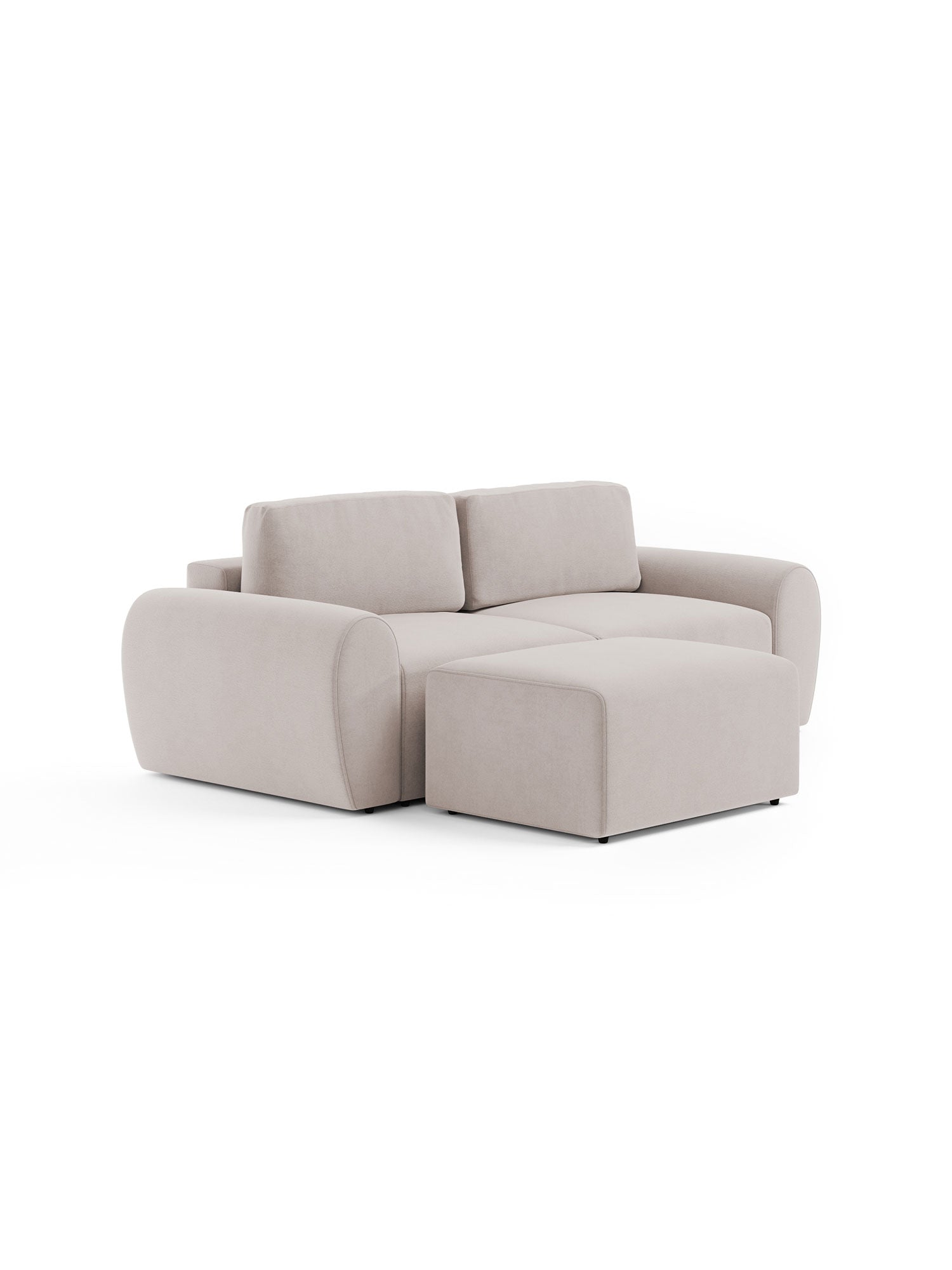
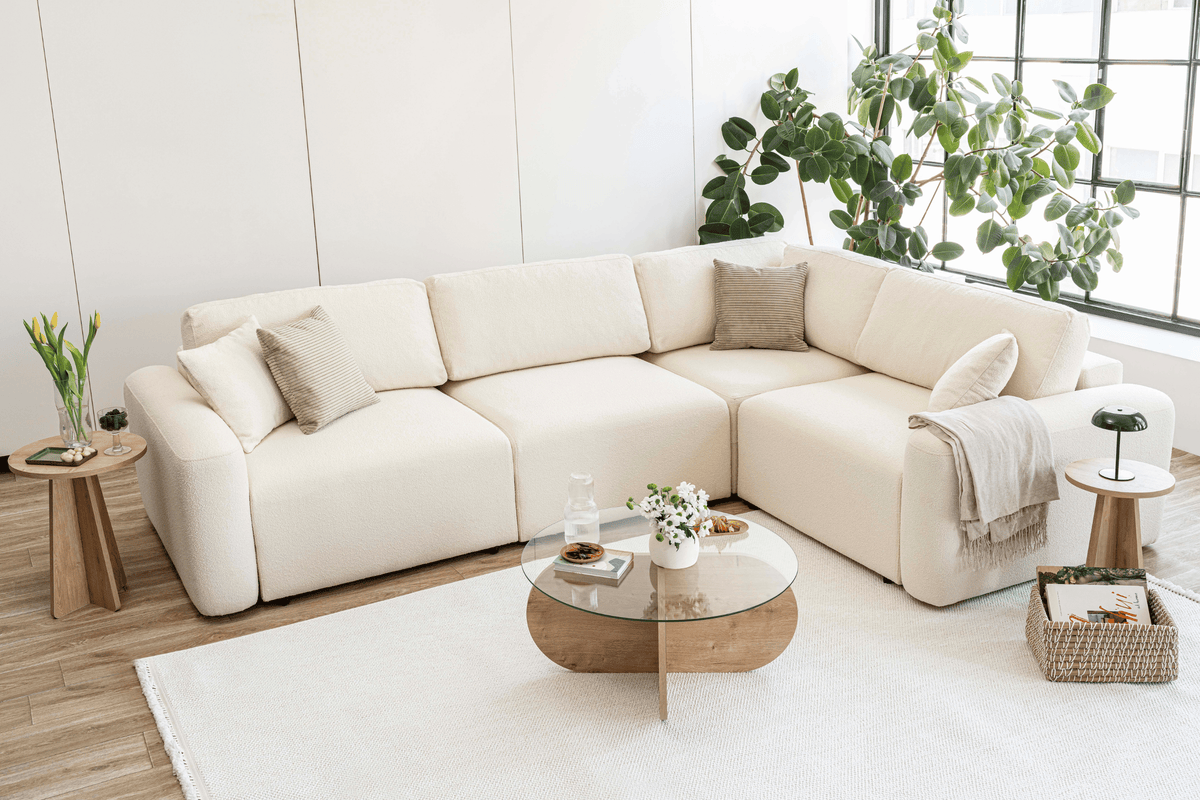
Modular furniture fits perfectly into the slow movement. If one section wears out, you replace that piece. Not the whole sofa.
Greenwashing vs. Genuine Sustainability: What to Look For
Greenwashing is everywhere. Brands slap "eco-friendly" on products without explaining what that means. It's marketing, not substance.
Here are the red flags:
- Vague claims like "natural" or "green" with no specifics
- No third-party certifications
- No transparency about manufacturing or sourcing
- Claims without evidence (no test results, no documentation)
- Short warranties or no warranty at all
- Cheap materials treated with chemicals to fake quality
Here are the green flags:
- Specific third-party certifications for safety and durability
- Transparent material sourcing (where it's made, how it's made)
- 5-year or longer warranty on structural components
- Clear repair and replacement services with fast turnaround
- Design for disassembly (easy to take apart, repair, upgrade)
- High percentage of cost going to raw materials
Understanding Key Certifications
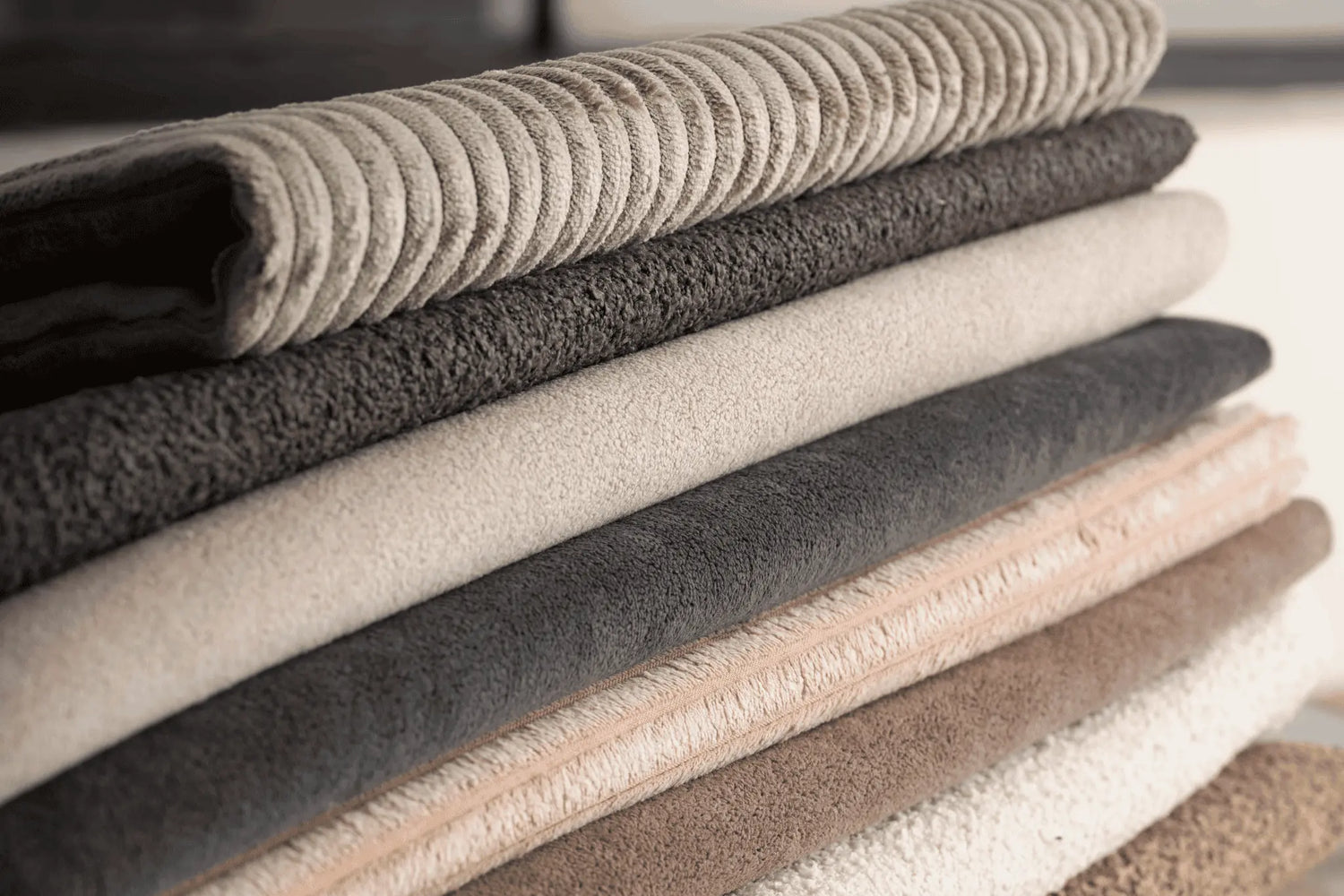
Fabric certifications test for harmful substances. Chemicals, heavy metals, pesticides, dyes. Quality certifications ensure fabrics are safe for direct skin contact, even for babies.
Why does this matter? Because a lot of fabrics are treated with chemicals to make them feel thicker, look shinier, or resist stains. Those treatments can off-gas into your home. Proper certification means those chemicals aren't there.
Frame Construction: Built to Last
A strong frame is non‑negotiable. High‑quality engineered wood frames, when done right, offer excellent stability and can be designed to feel solid and supportive across every seat. That means you get consistent comfort across every seat, not just the edges.
Quality frame construction matters for longevity. Frames that sag or lose shape over time aren't just uncomfortable. They're structural failures. When you're investing in furniture that's meant to last a decade or more, the frame has to hold up.
Foam Quality: Why Density Matters
Foam density is measured in DNS. Higher density means the foam holds its shape longer. 32 DNS is high-density foam. It's what premium brands use. Budget brands typically use 25-28 DNS, which sags much faster.
Some brands claim to use 32 DNS when they don't. If there's no warranty backing that claim, be skeptical.
Here's the sustainability angle: longer-lasting foam means less waste. A sofa with cheap foam needs replacing in a few years. Quality foam lasts a decade or more. The environmental impact of that difference is huge.
Fabric Durability: Beyond Aesthetics
Quality certifications aren't just about safety. They're about durability. The same tests that screen for harmful chemicals also measure how fabrics hold up to wear, washing, and daily use.
Cheap fabrics use chemical treatments to fake thickness and quality. Those treatments wash out or break down quickly. Then the fabric looks worn, even if the rest of the sofa is fine.
Removable, washable covers extend the lifespan of furniture significantly. Spills happen. Pets shed. Kids make messes. Being able to throw a cover in the wash instead of living with stains or replacing the whole sofa is a game-changer.
Mechanism Quality: The Hidden Component
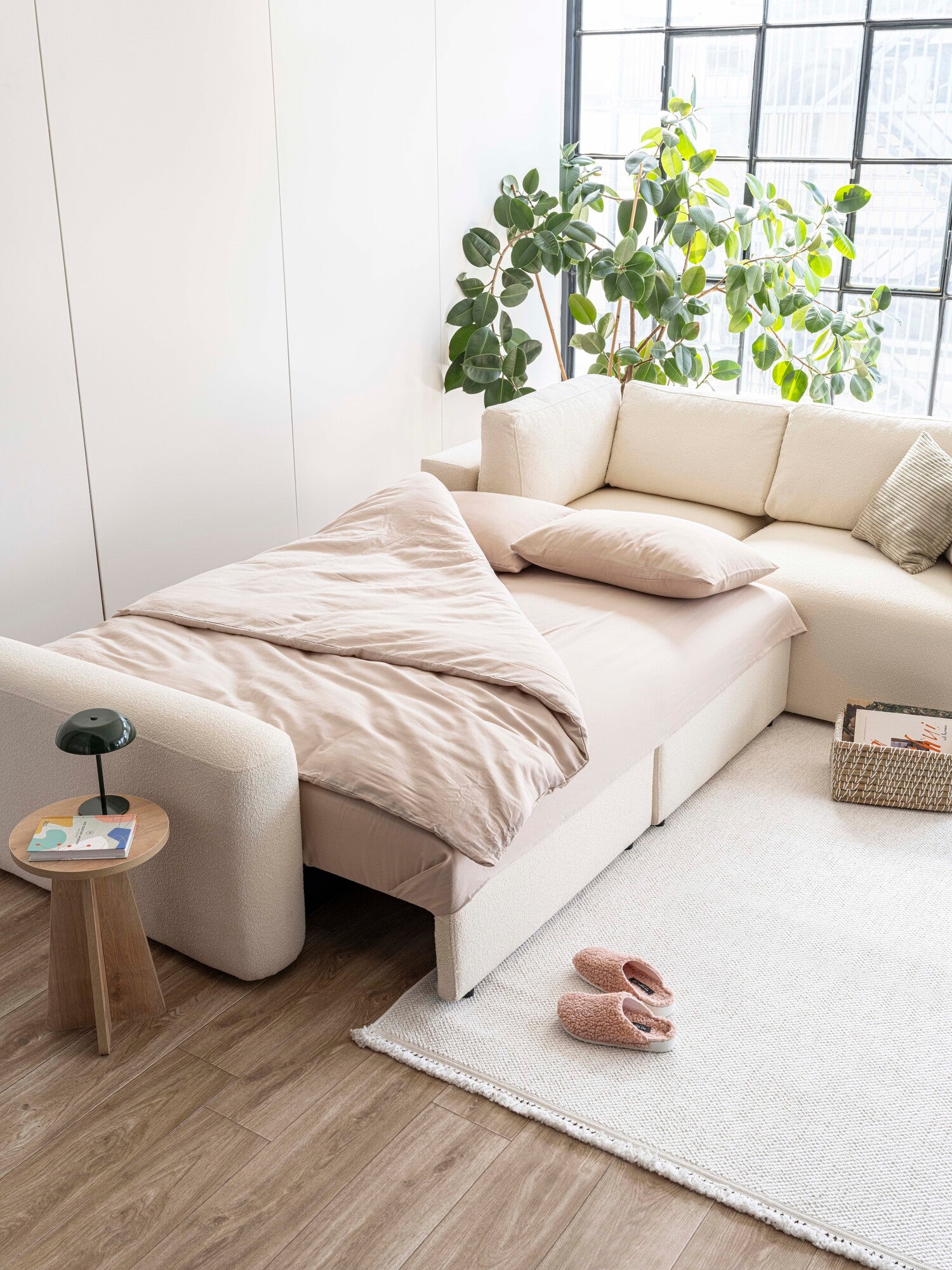
If your sofa converts to a bed or has storage, the mechanism quality matters. Quality mechanisms don't wear out quickly. Cheap hinges and suspensions do.
When mechanisms are built to last, you're not dealing with broken parts after a few months. And you're not replacing the entire sofa because one component failed.
Soffie's Sustainable Story: Transparency in Action
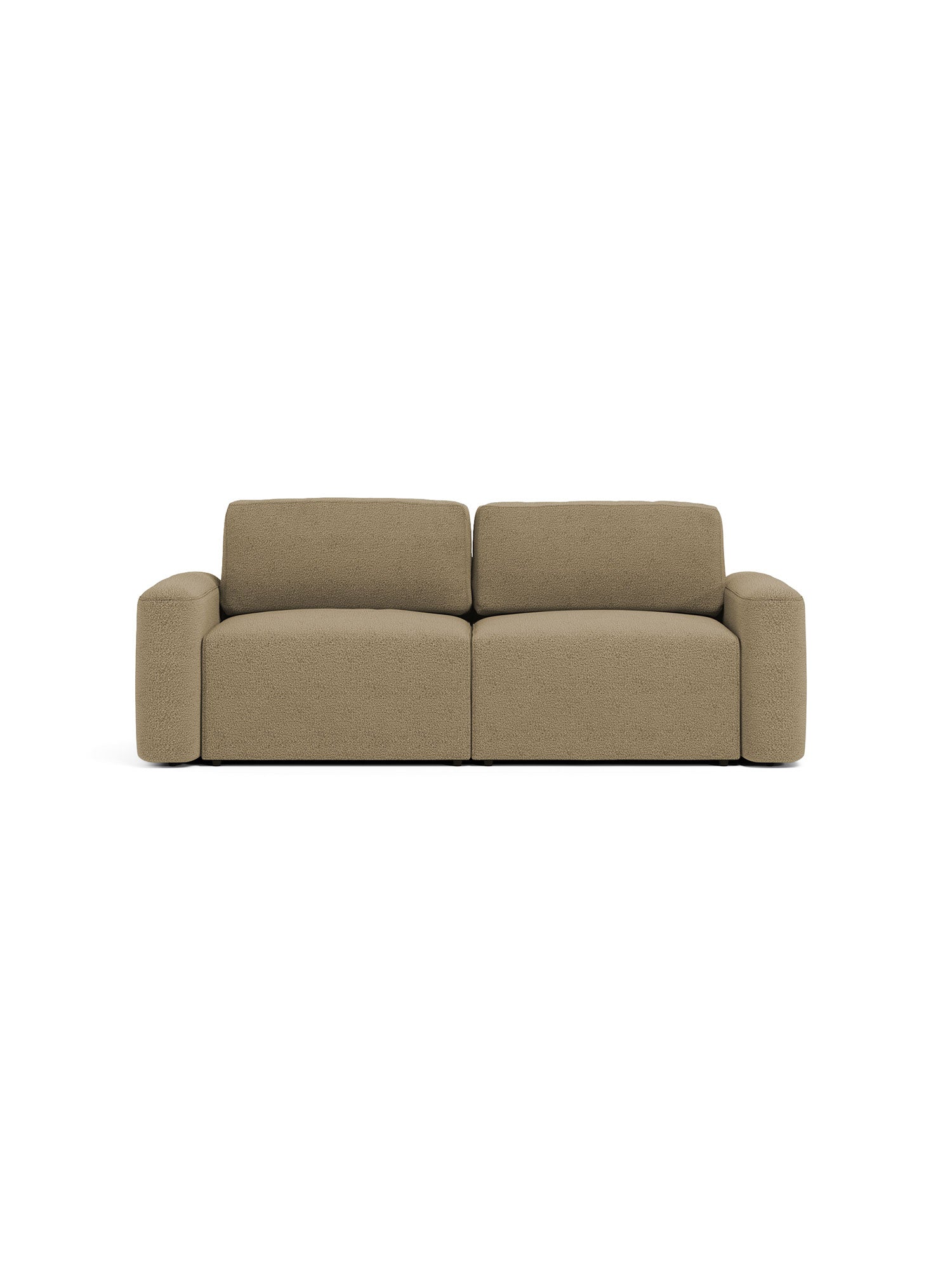
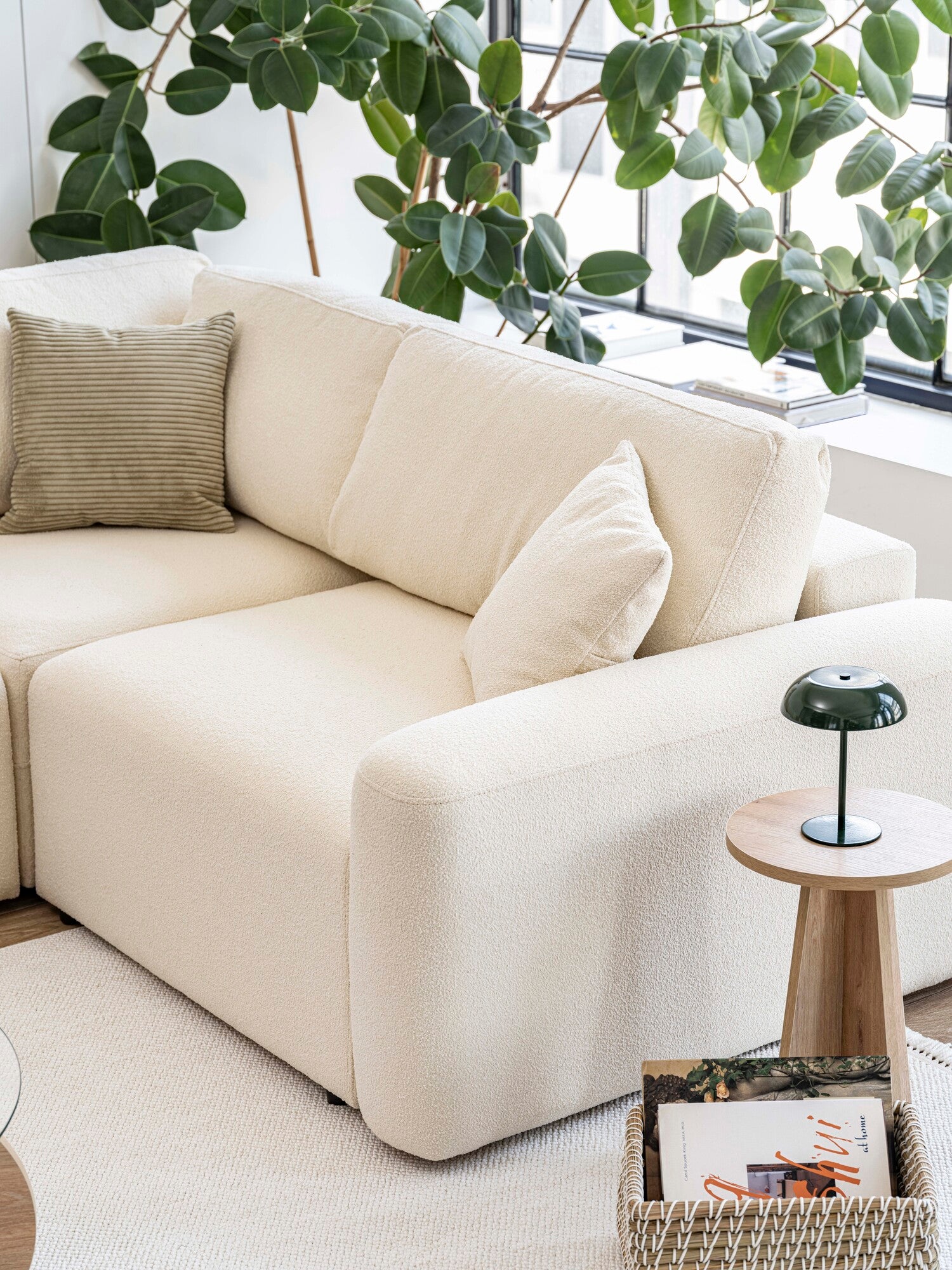
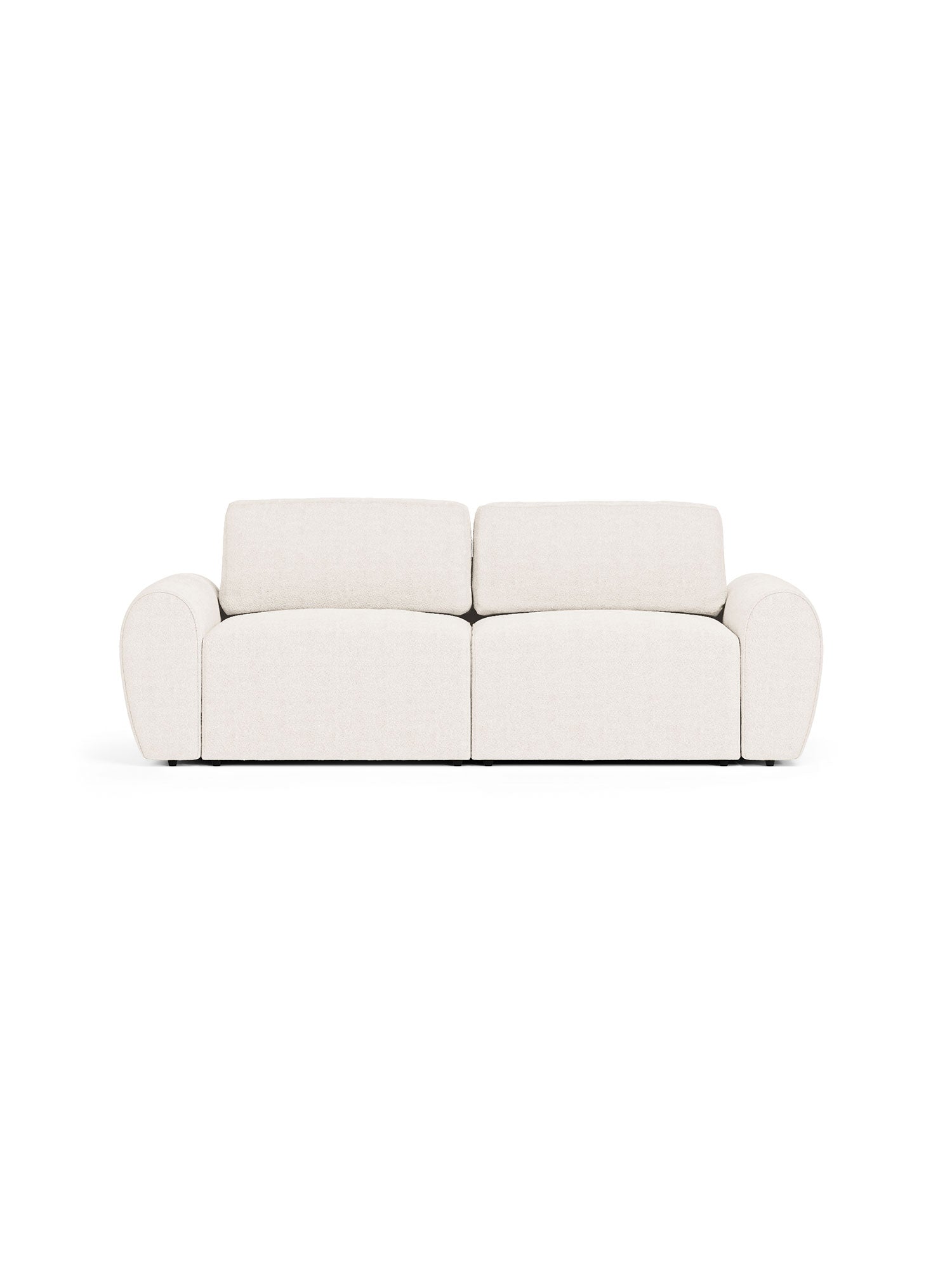
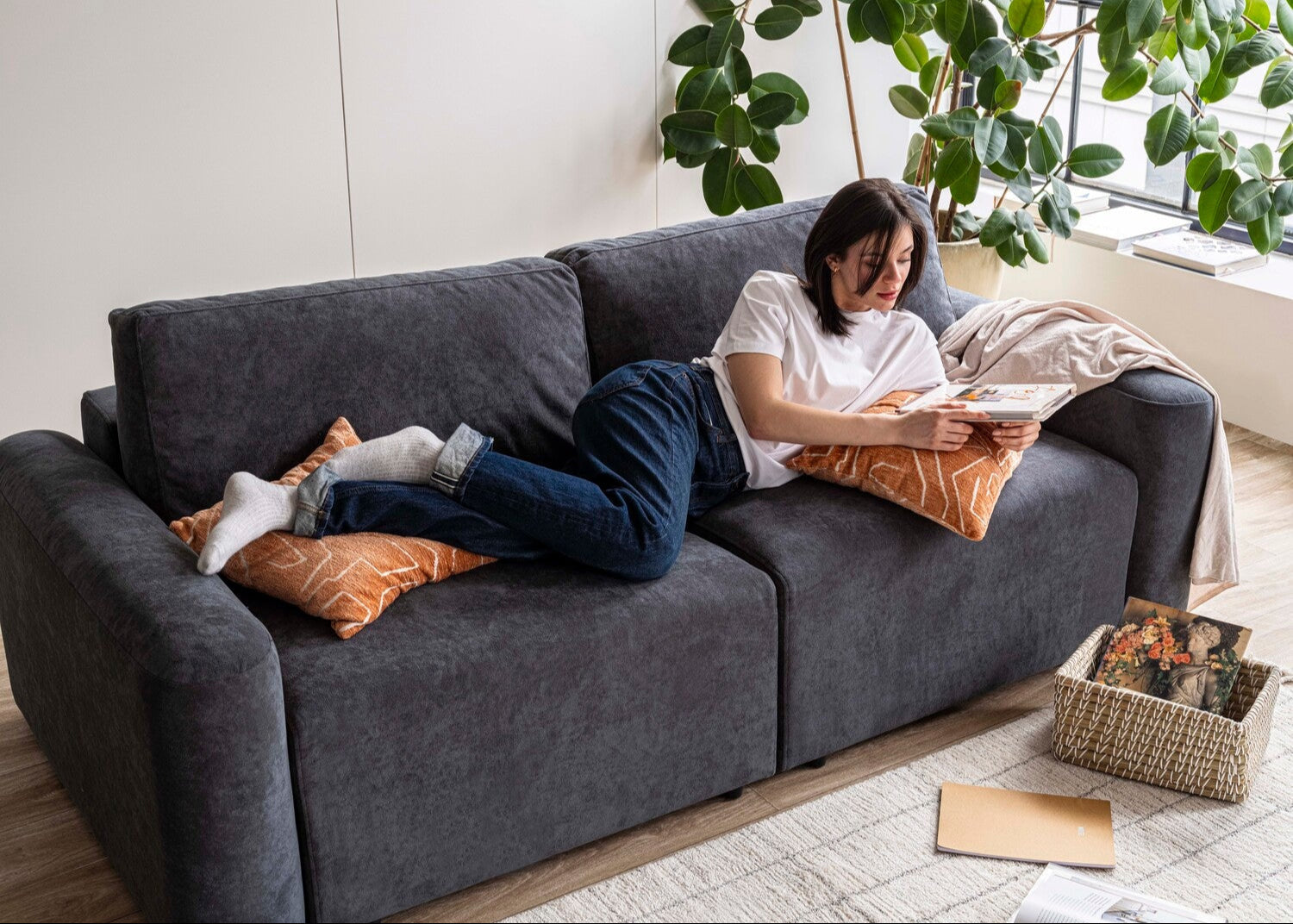
Soffie prioritizes raw materials and craftsmanship over traditional retail overhead, directing a significantly larger share of each product’s cost into the frame, foam, and fabrics than typical mass‑market brands. This focus on material quality and European manufacturing standards underpins the 5‑year warranty and long‑term use. Replacement parts are available and shipped quickly across Canada to keep pieces in use longer.
European craftsmanship means 10% of the price goes to labor, but those labor standards are higher. Quality control and manufacturing ethics.
Longevity features back up the sustainability claims:
- 5-year warranty on frame and foam (industry standard is 2 years)
- Fast replacement parts: 2 days in Toronto, 15 days across Canada
- Modular design allows component upgrades instead of full replacement
- Tool-free assembly means less damage during moves
Customer protection is built in. 40-day trial. Free pickup if it doesn't work out. And a 100 out of 100 complaint resolution score.
The direct-to-consumer model cuts out retail markups. Those savings go into better materials and more accessible pricing, not middlemen.
Caring for Your Eco-Luxe Sofa: Maintenance for Longevity
Taking care of certified covers is straightforward. Follow the care instructions. Most are machine washable. Don't over-dry. Let them air out if possible.
Rotate cushions regularly. It evens out wear. Flip them if they're reversible. This simple step extends the life of your foam by years.
Keep foam out of direct sunlight. UV exposure breaks down foam faster than normal use. If your sofa sits in a sunny spot, use curtains or blinds during peak hours.
Address stains immediately. Blot, don't rub. Use gentle cleaners. Harsh chemicals can damage fabric even if it's durable.
Adopt a repair-over-replacement mindset. If something breaks, check if it's fixable. Soffie's fast parts service (2 days in Toronto, 15 days Canada-wide) makes repairs easier than shopping for new furniture.
At the end of its life, donate or responsibly dispose of furniture. Many charities accept gently used sofas. Recycling centers can break down materials properly.
How to Choose Sustainable Modular Sofas: A Buyer's Checklist
Frame Quality:
- Look for durable frame construction
- Check if it needs a center support leg (better designs don't)
- Verify 5+ year warranty on the frame
Foam Density:
- Minimum 32 DNS for longevity
- Ask for documentation, not just claims
- Make sure the warranty covers foam
Fabric Certification:
- Third-party safety and durability certifications
- Hundreds of tests, not just one
- Removable and washable covers
Repairability:
- Parts available for purchase
- Fast delivery times
- Clear pricing
Warranty Length:
- Minimum 5 years on structural elements
- Industry standard is 2 years, so anything longer signals confidence
Manufacturing Transparency:
- Clear information about where it's made
- Labor and environmental standards disclosed
- No vague "imported" labels
Trial Period:
- 30-60 days indicates brand confidence
- Free returns and pickup
Value Over Time:
- Consider expected lifespan vs. purchase price
- Factor in replacement frequency for cheaper alternatives
- Don't forget disposal and delivery costs
The True Cost of Cheap Furniture
The math is simple. Buying cheap furniture repeatedly costs more over time than investing in quality once.
But the financial cost isn't the only cost. There's the environmental impact. Manufacturing emissions. Landfill waste. Shipping and delivery for every replacement.
There's the health cost. Materials without proper certifications can off-gas chemicals into your home for months or years. You're breathing that. Your kids are breathing that.
There's the time and stress cost. Constant shopping. Comparing options. Waiting for delivery. Assembling furniture. Disposing of the old one. Dealing with returns when it arrives damaged. That's hours of your life you don't get back.
And there are hidden costs. Delivery fees. Disposal fees. Return shipping if the company even offers it. Those add up fast.
Cheap furniture isn't actually cheap. It just spreads the cost out so you don't notice.
FAQs
What certifications do Soffie fabrics have?
Soffie's fabrics are certified to meet strict safety and environmental standards, with testing for hundreds of harmful substances and chemicals. This ensures the fabrics are safe for your family, including babies and children. Each fabric passes rigorous durability and safety tests before being used in the sofas.
Why does Soffie offer a 5-year warranty when most furniture brands only offer 2 years?
The 5‑year warranty on frame and foam reflects confidence in material quality and construction. It goes beyond the shorter coverage offered by many furniture brands, signalling that Soffie expects its sofas to perform for years in real homes.
How is modular furniture more sustainable than traditional sofas?
Modular furniture supports circular design principles. If one module is damaged, you replace just that piece instead of discarding the entire sofa. Soffie's tool-free design means you can move furniture without damage, reducing replacement cycles. The fast parts service (Toronto 2 days, Canada 15 days) and removable, washable covers extend product lifespan significantly, keeping furniture out of landfills.